The reviewer who rubber-stamps, and the days it costs you
Every sign-off chain carries reviewers who pass the deal through untouched. This post shows how to tell them apart from the ones who change the outcome, and how to remove the rest.
You sent a renewal for approval on a Monday. It cleared six days later. When you traced the delay, five of the seven approvers had opened it, read nothing you could see, and clicked approve. One had asked a sharp question about the price uplift and got a concession. One had a genuine legal note on a liability cap. The other five added nothing except a place in the queue. This is the problem the series calls the rubber-stamp tier: reviewers who sign out of habit, adding days of latency without adding a single change to the outcome. You know exactly which meeting your deal died in, because it died in a calendar, not in a disagreement.
Why the chain grows and never shrinks
Approval chains are added to, never subtracted from. A large deal goes sideways once, and the response is a new sign-off tier. A regulator asks a question, and finance adds a checkpoint. A department head wants visibility, and their name joins the routing. Each addition is defensible at the moment it happens. Nobody ever calls the meeting where a tier is removed, because removing a checkpoint feels like accepting risk, and adding one feels like managing it. So the chain accretes like sediment. Five years later you have an approval path built for a company that no longer exists, staffed by reviewers whose original reason for being there has been forgotten.
The cost is invisible in any single deal and enormous in aggregate. A rubber-stamp reviewer does not slow you by their own review time. They slow you by their queue. Your deal sits behind their other work, waiting for a click that was never going to change anything. Multiply that by every deal in the pipeline and you get the quiet tax that makes procurement feel slow. We wrote about the acute version of this in the renewal your approval chain cannot clear in time, where the latency does not just annoy, it forfeits leverage.
The two kinds of approver hide in the same list
The trouble is that a rubber-stamp reviewer and a decisive reviewer look identical in most systems. Both appear as a name and a timestamp. Both eventually turn the light green. Nothing in a standard approval log tells you whether the approver changed the deal or waved it past. So when someone proposes pruning the chain, the conversation stalls on a fair objection: how do you know that reviewer never catches anything? Without evidence, the safe answer is always to keep everyone, and the chain stays exactly as long as it was.
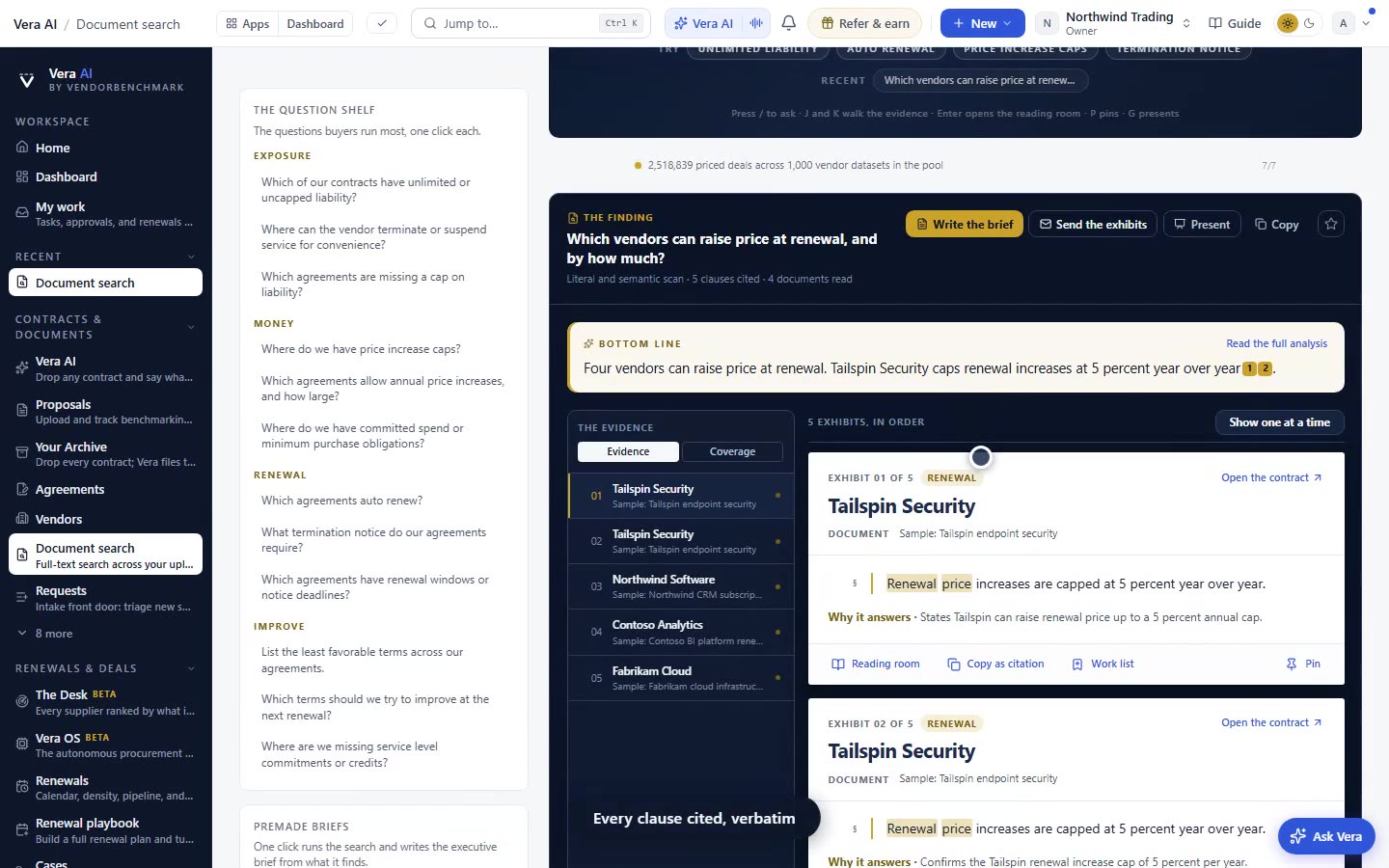
To prune with confidence you need to see, per approver, across many deals, whether their step ever moved the outcome. Did they push back on a price. Did they redline a clause. Did they send it back for rework. Or did every deal that reached them leave in the same shape it arrived. That is a question about the audit trail, not about anyone's reputation. A reviewer who has approved forty deals without altering one is not lazy, they are simply in a seat that no longer needs a person. The deal sign-off chain gives each approver a brief so their step has a purpose, and it records what they did with it.
The platform motion that removes the dead step
The evidence does the work. When the sign-off trail shows that a tier has passed every deal through untouched for a year, the governance conversation changes shape. You are no longer arguing that a reviewer is unnecessary. You are showing that the record contains no instance of them changing an outcome, and asking what specific risk their continued presence mitigates. That reframes the burden. Instead of you proving the step is safe to remove, the owner of the step has to point to the deal it would have caught. Often they cannot, and the tier comes out.
Pruning is not deletion of oversight. It is concentration of oversight onto the reviewers who demonstrably use it. When you remove three passive tiers, the two decisive reviewers get the deal sooner and with clearer attention, because they are no longer waiting behind four colleagues who were only ever going to click approve. Faster and sharper are the same move here. This matters most when leverage is time-bound, which is the whole argument of the downturn playbook, where a chain that cannot clear in the notice window quietly costs you the concession you were entitled to.
What this does not solve
Be honest about the limits. The trail tells you where a change was made, but it cannot tell you the value of a check that has never yet triggered. Some tiers exist for the rare, expensive event, an approver who has passed forty deals but exists to catch the one deal in a hundred that breaches a hard policy. The record will show them as passive right up until the day they earn their whole existence. You have to judge that case with people, not with the log alone. The evidence narrows the argument to the tiers that plausibly do nothing, and it will not make the final call for you.
The platform also cannot enforce a change to your governance policy. It can show that a tier adds latency without scrutiny, and it can hand you the export to make the case. It cannot make the executive who owns that tier agree to give it up. Some rubber-stamp seats survive because they are political, not procedural, and no audit trail dissolves a turf claim. What the trail does is remove the excuse of not knowing. After that, the decision is organisational will, and that is yours to spend.
Finally, a pruned chain is not a permanent one. Chains accrete again the moment attention drifts. Treat the trail as a standing instrument, reviewed each quarter, not a one-time cleanup. The reviewers who matter change as your estate changes, and the seat that was decisive last year can become the rubber stamp of next year. The value is in looking, repeatedly, at what each approver actually did.
Want to be updated when major licensing and pricing changes land? One analyst brief a week: the price rises, metric changes and audit campaigns that move software costs. Work email only.
Morten brings two decades of enterprise and software procurement, with stints across Oracle, IBM, SAP, and Salesforce shaping how he reads a deal. He has led sourcing through hundreds of renewals, from mid market order forms to nine figure global agreements, and learned that the buyers who win are the ones who walk in knowing the market. He built VendorBenchmark to make that pattern recognition repeatable.