Cutting software spend without cutting capability: a downturn playbook.
The mandate arrives as a percentage: cut 15 by year end. The instinctive response, freezes, cancellations, and a memo about discipline, cuts capability first and waste last, which is exactly backwards. The playbook that works is a sequence, and the sequence is decided by evidence, not by whichever tool has the fewest defenders in the room.
Watch a cost-cutting mandate hit an unprepared software estate and the damage follows a predictable script. The freeze lands first, punishing the teams with legitimate needs while the waste, which by definition nobody is actively requesting, sails on untouched. Then the cancellations, chosen politically: the tool whose champion left, the platform the CFO personally finds confusing, the renewal that happens to arrive during the worst week. Somewhere in month three, someone cancels a system that a revenue process quietly depended on, the reinstatement costs more than the saving, and the organization concludes that software cuts do not work.
They work fine. They just have an order of operations, the same one a surgeon uses: remove what is dead before touching anything that is alive, and know which is which before the first incision. The order is waste, then price, then scope, then capability, and the whole discipline is refusing to skip ahead.
First the money nobody will miss, then the price nobody checked
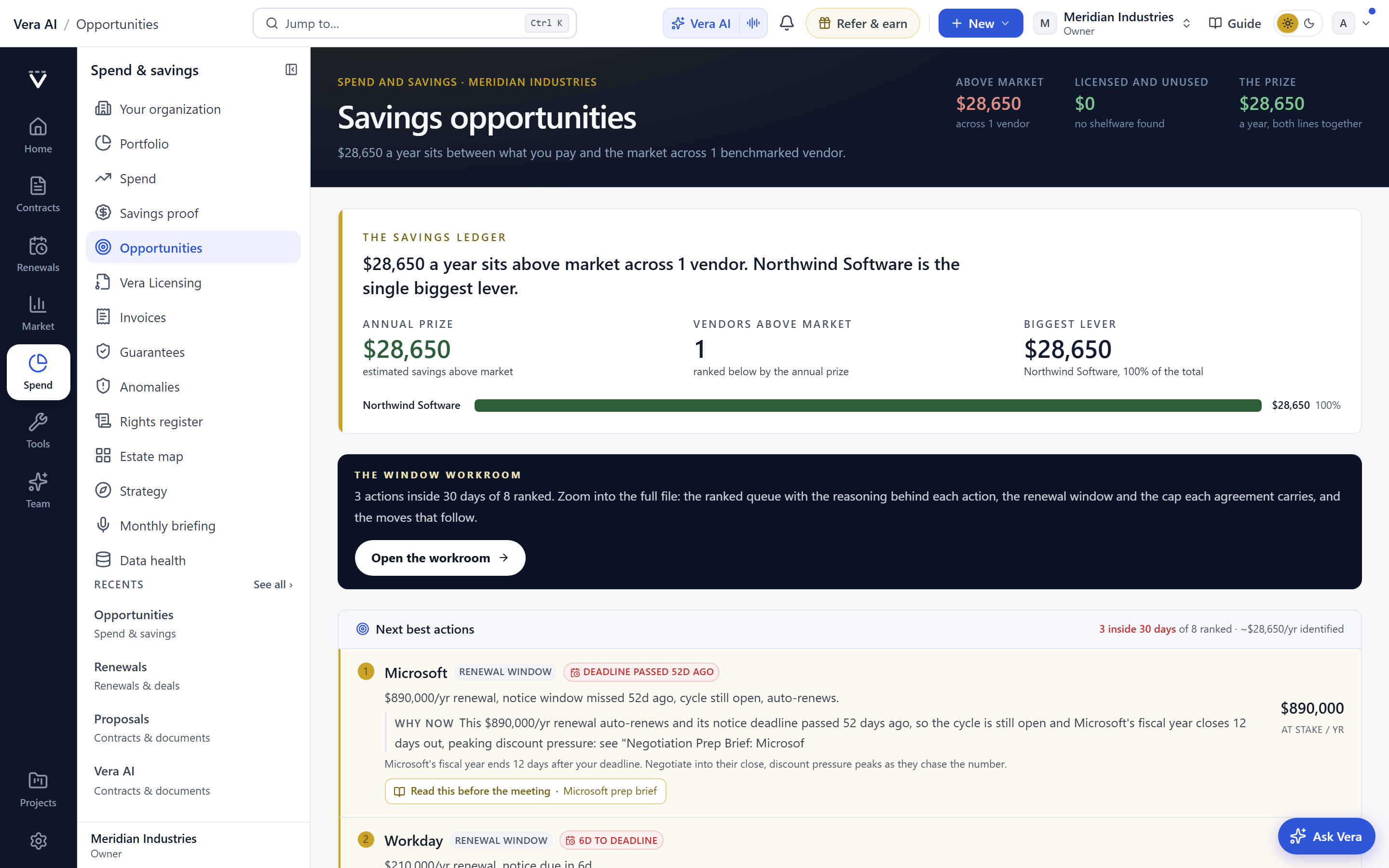
Stage one is waste, and it is bigger than the room expects. The shelfware radar prices the licenses nobody opens. The overlap and shadow spend findings surface the duplicate tools and the subscriptions matching no contract. The invoice reconciliation recovers the billing errors and cap breaches that were never anyone's decision to spend. Every dollar in stage one shares a beautiful property: removing it changes nothing about what anyone can do. It is the only truly free money in the exercise, and a mandate that starts anywhere else is leaving it on the table while it burns goodwill on harder cuts.
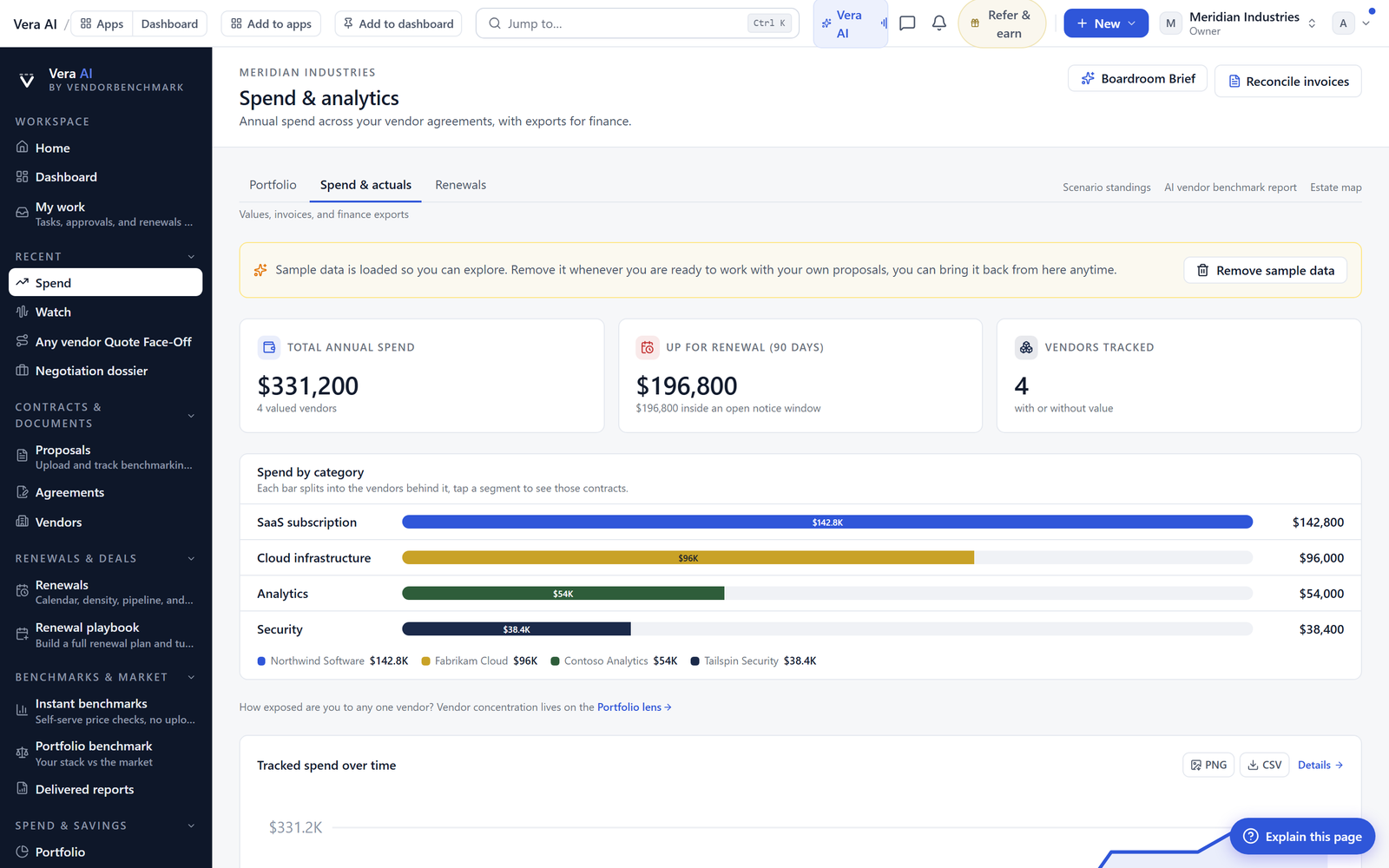
Stage two is price: pay market for what you keep. The portfolio view ranks every vendor by distance from the market, and the above-market positions with renewal windows inside the mandate period are your stage two campaign. Same tools, same seats, same capability, at the percentile the market actually supports. For most estates, stages one and two together reach or pass a 15 percent target without a single user losing a single feature, which is a sentence worth reading twice before anyone freezes anything.
Then scope, and only then capability, with the downturn on your side
Stage three is scope: keep the capability, shrink its footprint. Edition right-sizing moves users from premium tiers their activity profile does not justify. Consolidation retires the second and third tool in an overlapping category, timed to renewal boundaries where exit is a negotiation rather than a write-off. The rights register funds much of this stage for free: the true-downs, swap windows, and credits you already own are scope reductions with the contract's own signature on them.
Stage four, capability, is a business decision wearing a procurement costume, and by the time the sequence reaches it, it arrives with honest numbers: what each remaining tool costs at market price and right scope, what it is used for and by whom, and what cutting it actually saves versus what the first three stages already banked. Some capability cuts will still be right in a hard enough downturn. The sequence's job is to make them last, deliberate, and small.
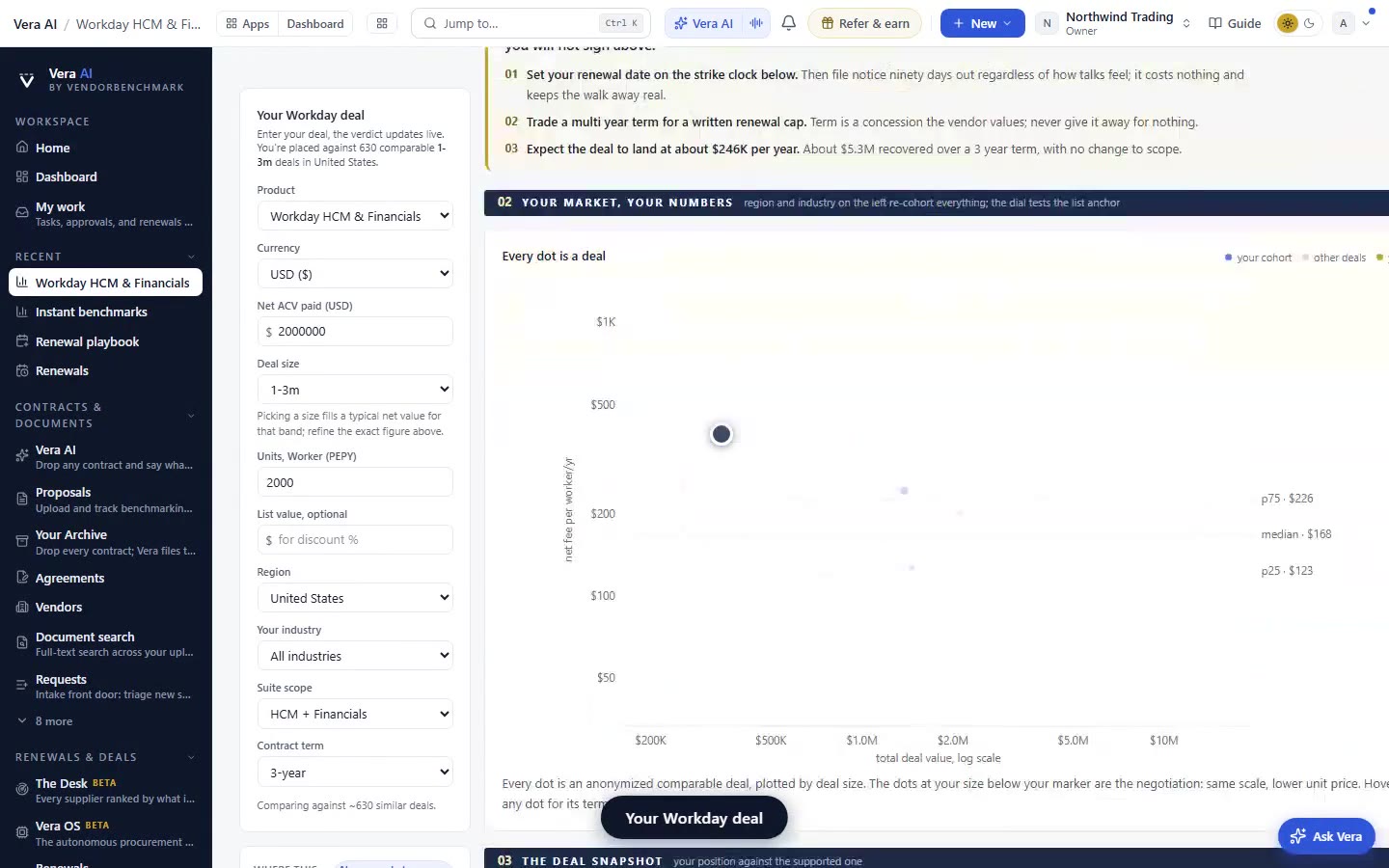
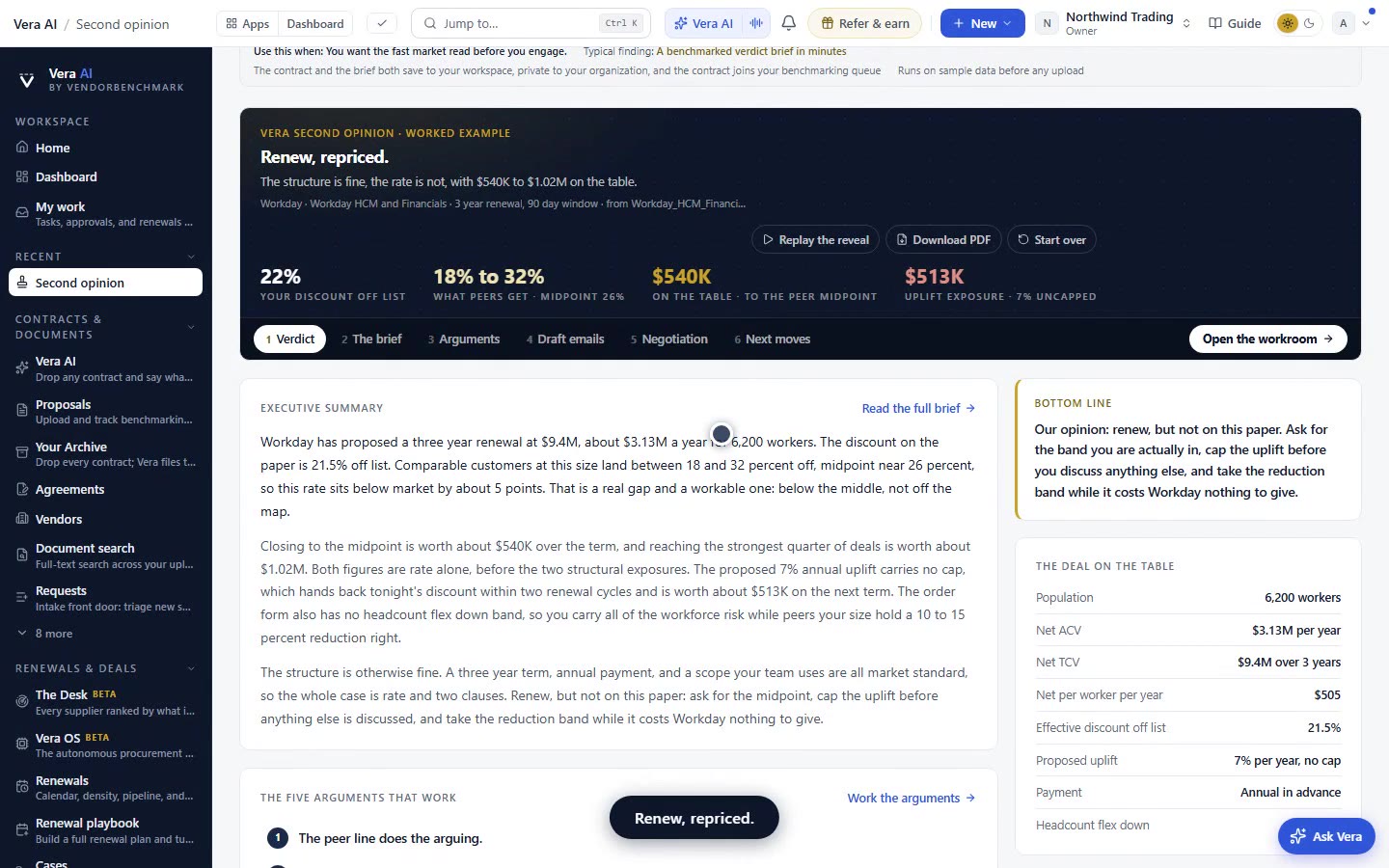
And through all four stages, remember the market context: the downturn is squeezing your vendors too. Reps miss quotas, churn terrifies deal desks, and the concessions that were exotic in the boom, real caps, flexible terms, generous multi-year pricing for commitment, get granted. A downturn is the best market for the rider terms in years, if you ask from preparation rather than from visible distress, because a buyer who arrives with a benchmark and a plan reads as disciplined, while one who arrives begging reads as an audit prospect.
The ninety-day version, in five moves
The honest limit: a deep enough downturn outruns any sequence, and a 30 percent mandate will touch things people use no matter how well the first stages run. What the playbook guarantees is narrower and still decisive: capability is the last thing cut instead of the first, every cut above it is funded by waste and price before it is funded by function, and the decision about what the business can live without is made once, at the end, with real numbers, instead of weekly, in the dark, by whoever shouted last. Downturns end. The estates that ran them on evidence come out smaller and better. The ones that ran them on panic come out smaller and slower, and spend the recovery buying back what they cut.
Morten brings two decades of enterprise and software procurement, with stints across Oracle, IBM, SAP, and Salesforce shaping how he reads a deal. He has led sourcing through hundreds of renewals, from mid market order forms to nine figure global agreements, and learned that the buyers who win are the ones who walk in knowing the market. He built VendorBenchmark to make that pattern recognition repeatable.
The week in enterprise software buying, in one email.
What shipped on the platform, and the pricing and licensing moves worth knowing before your next renewal. One email a week, to your work address. Unsubscribe any time.