The business agreed the terms before legal saw them
Verbal agreement feels like progress. If legal never set the boundaries first, it is a draft you will have to reopen in front of the vendor.
Here is the week you recognise. The business lead comes out of a call sounding relieved. Pricing is close, the term is agreed, and the vendor has already said yes to the two things that mattered to the business. Then the redlines reach legal, and legal rejects the liability cap, the indemnity language, and the data processing addendum that everyone in the room had treated as settled. Now you are not negotiating price. You are reopening clauses the vendor believed were closed, which is the worst position to negotiate from, because the vendor gets to act surprised and you get to look disorganised.
The damage is not just the reopened clause. It is the credibility tax. Once you walk back something the business said yes to, the vendor discounts everything else your side agrees to, because now every yes might be provisional. This series is about problems you can name from your own calendar, and this one is structural. It is not a story about a difficult vendor. It is a story about consensus reached without the people who define the limits.
Why verbal agreement outruns legal every time
The business team is measured on getting the deal done. Legal is measured on the deal not hurting the company later. Those two clocks run at different speeds, and the fast one always finishes the conversation first. By the time legal opens the draft, the business has already spent political capital reaching agreement, so any legal objection now reads as legal being an obstacle rather than legal doing its job.
The deeper reason is that legal's non-negotiables live in people's heads and in a folder nobody outside legal reads. The business lead going into the call does not know that the liability cap must be at least the annual fee, or that unlimited indemnity for IP claims is fine but not for data breaches, or that auto-renewal beyond twelve months is a hard stop. So they agree to reasonable-sounding terms in good faith, and only later does anyone measure those terms against the standard that actually matters. The problem is not that the business is careless. It is that the boundary was never visible before the commitment.
The cost of reopening a closed clause
Reopening is more expensive than negotiating slowly. When you concede nothing and then take something back, the vendor recalculates. They assume the rest of your positions are equally soft, and they start protecting themselves against future reversals by holding firmer on price. You have effectively told them your side does not speak with one voice, which is exactly the information a seller uses to segment your team and route around your weakest link.
There is a timeline cost too. Every reopened clause resets the review cycle, and if the deal touched compliance or security, the reset can be brutal. We wrote about the adjacent version of this in the spec that skipped compliance, where the review starts over because a requirement was never surfaced at intake. Same root cause, different clause. The fix in both cases is to move the constraint earlier, before anyone commits to anything.
Make legal's boundaries visible before the business speaks
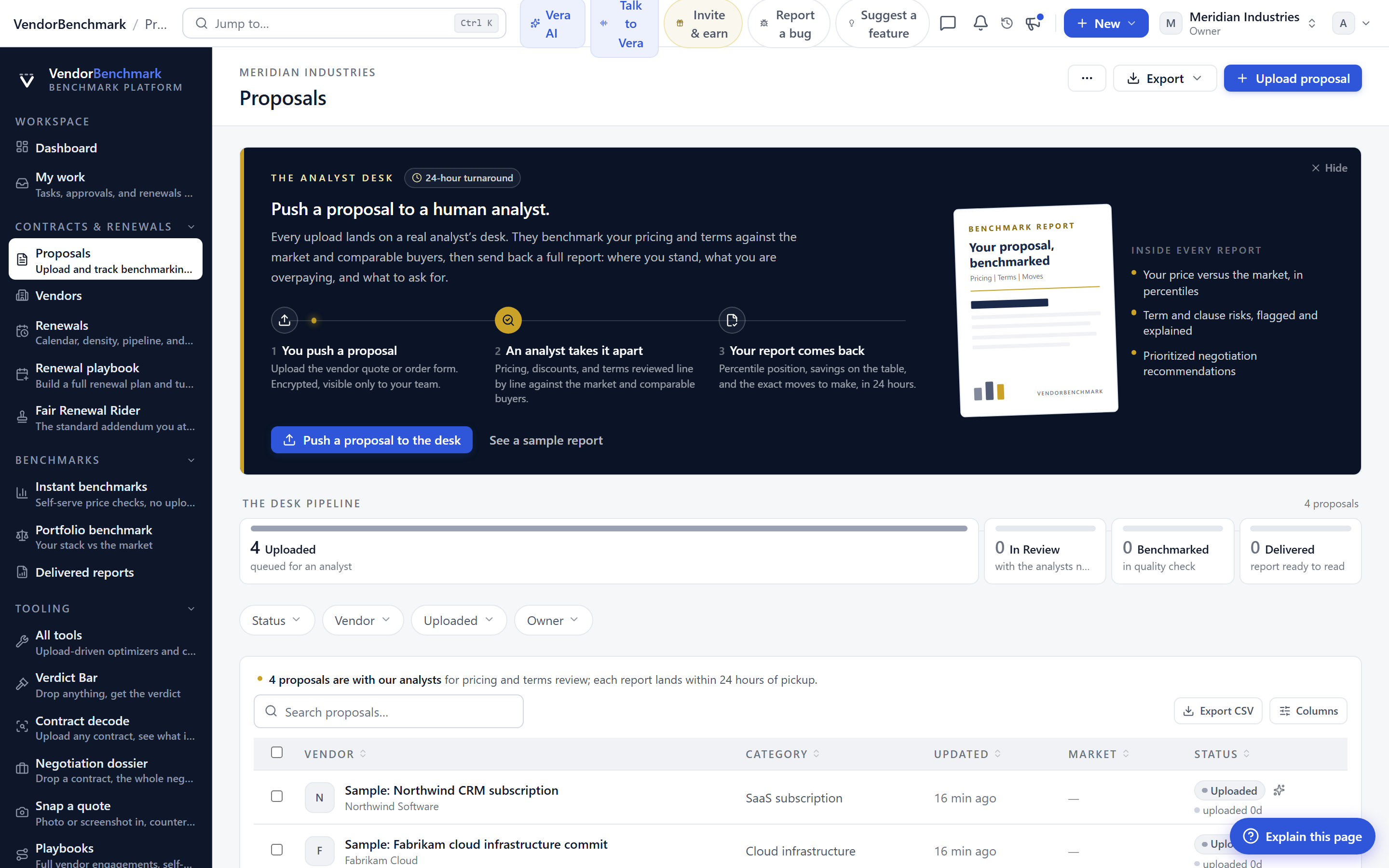
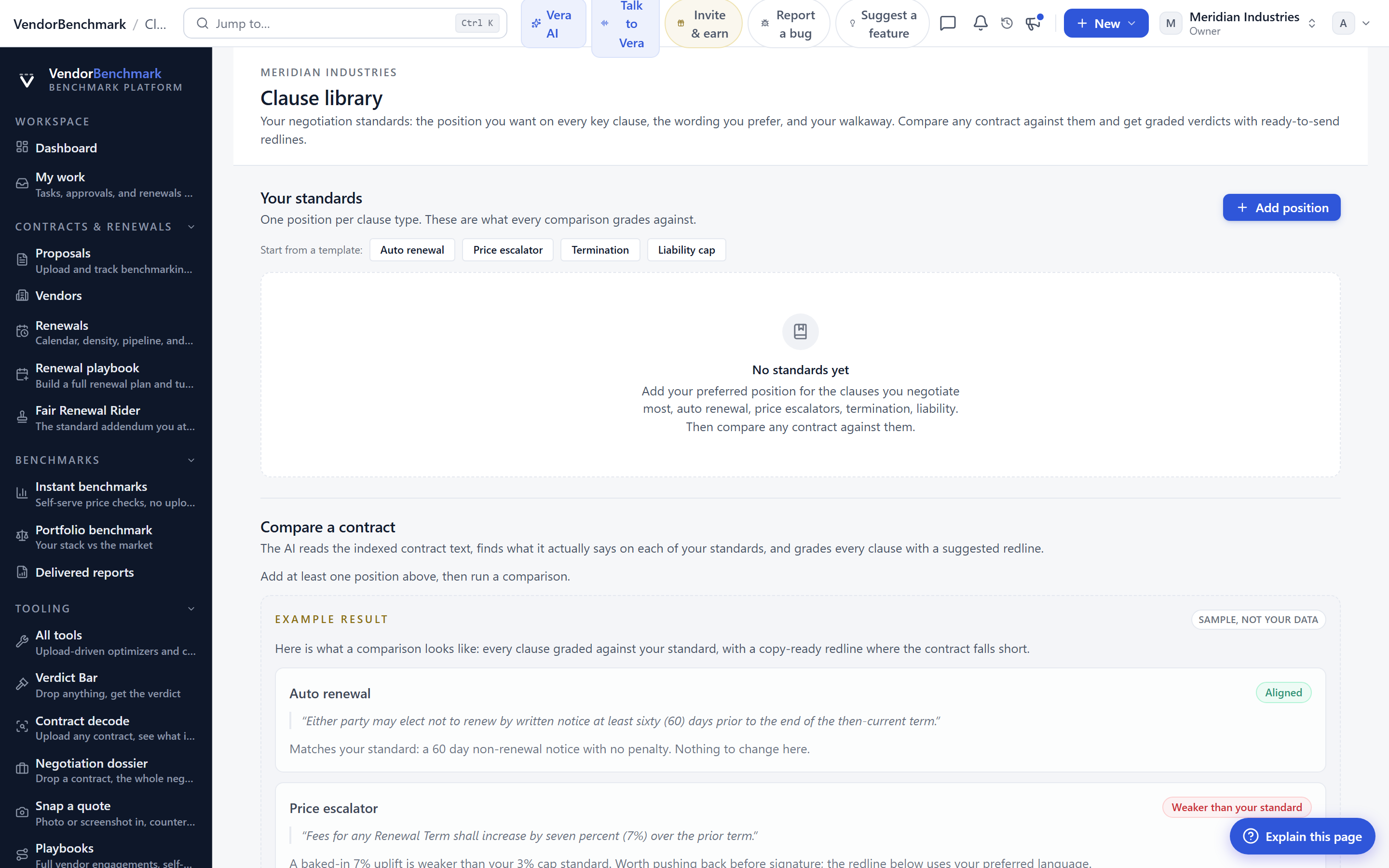
The platform motion is simple to describe and it changes the order of events. Before the business team commits to anything, the clause library surfaces the positions your legal team has already defined. For each clause type there is a preferred position, an acceptable fallback, and a hard stop. The business lead now walks into the call knowing that the liability cap has a floor, that a particular indemnity structure is fine, and that a particular auto-renewal length is a wall. They negotiate inside those lines, which means the agreement they reach is one legal will actually sign.
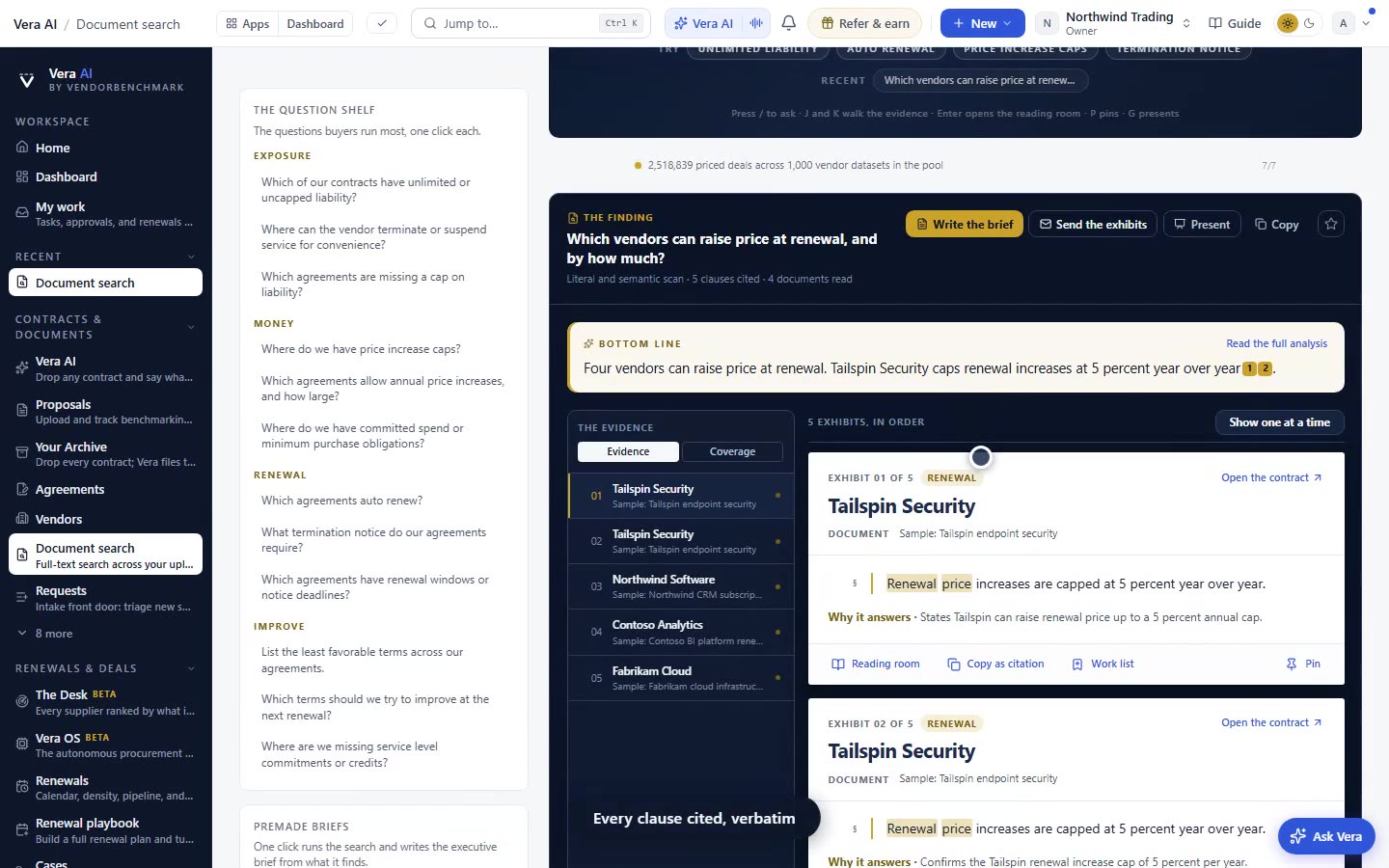
The decoded contract does the reverse read. When a draft arrives, it translates the legal language into plain terms and flags where each clause sits against your standard, so you see the problems in a minute rather than on legal's third pass. If you have not seen it work, decode any contract in a minute walks through the first things to look for. The clause library itself has its own playbook in your position, in writing, which shows how a defined position becomes the argument you hand to the business.
What the sequence looks like when it holds
When the boundaries are visible first, the conversation with the vendor stays clean. The business agrees to nothing outside the lines, so there is nothing to reopen. Legal reviews a draft that already respects its non-negotiables, so its pass is a confirmation rather than a rejection. And because the vendor never watched you walk something back, your side keeps the credibility that translates directly into pricing leverage. The benchmark library behind this covers 1,483 vendors, so the positions you set are informed by what the market actually accepts, not just by internal caution.
What this does not solve
Be honest about the edges. The clause library only holds boundaries someone actually defined. If legal has never written down its position on a clause type, the platform cannot invent it, and the business will still commit to something legal later objects to. The library removes the excuse, not the requirement to think. Someone in legal still has to decide where the lines are.
It also will not stop a business lead who chooses to agree outside the lines anyway, because the deal feels close and the boundary feels inconvenient. The platform makes the boundary visible and the violation obvious, which changes the conversation from he-said to here-is-the-position-you-crossed. That is a governance improvement, not a mind-control device. And it does not decode intent. A clause can be inside your standard and still be a bad idea for this specific deal, which is why the decoded contract flags position, not judgement. The judgement stays with you, which is where it belongs.
What it removes is the specific failure this post named. Consensus reached without legal in the loop stops being the default, because legal's loop moved to the front. The business still negotiates. It just negotiates inside boundaries that hold, so the yes it gives is one the whole company can keep.
Fredrik has spent more than twenty years in enterprise software, with time at Oracle, IBM, SAP, and Salesforce before moving to the buy side. He structured and priced the kind of large agreements most buyers only see once or twice in a career, which taught him where the leverage sits and how far a vendor will actually move. He started VendorBenchmark to hand that knowledge to every sourcing team.