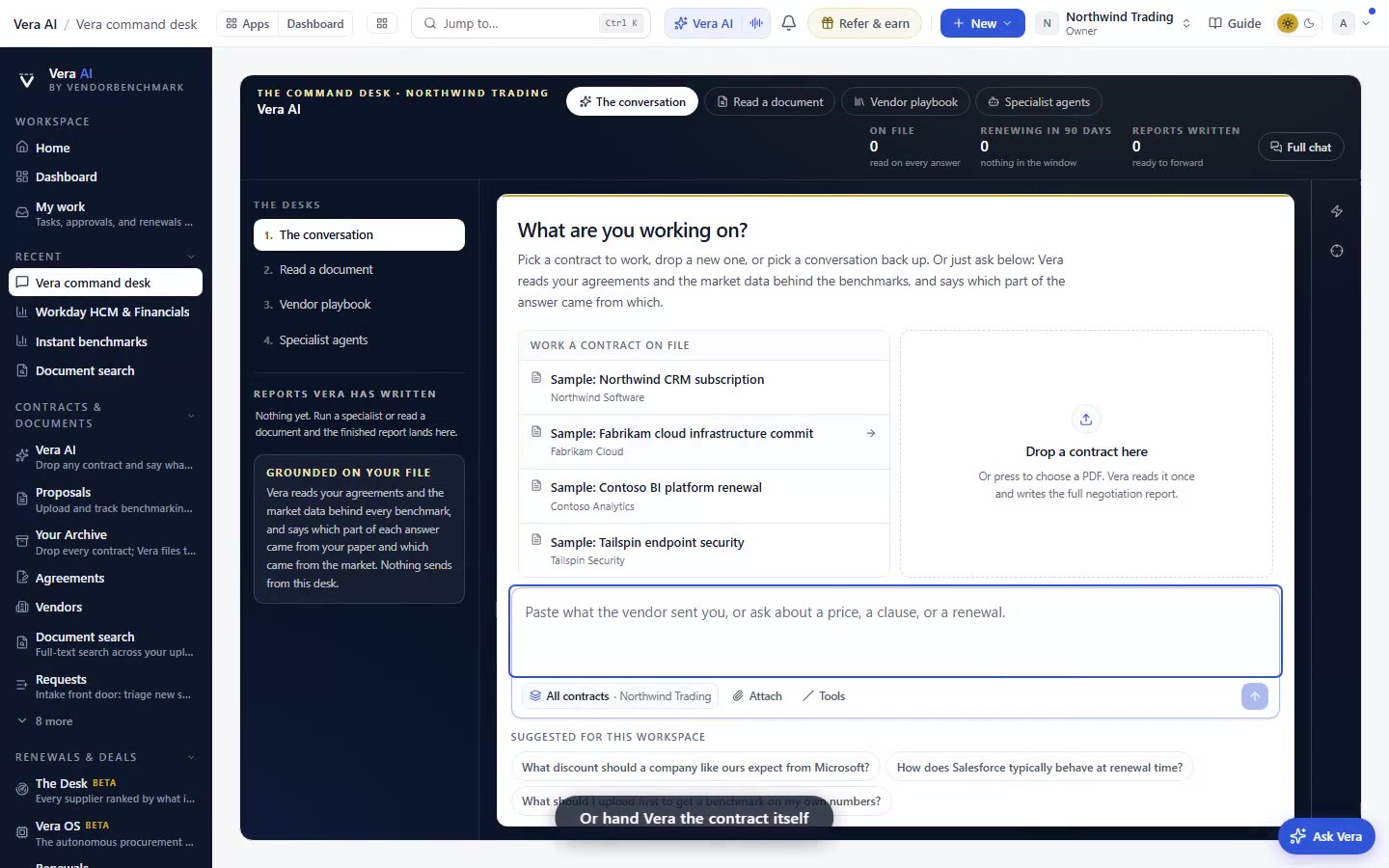
The case beside the book, redrawn
We rebuilt the reading column so the case beside the book reads like the desk itself. Same tabs, same groups, same next steps, no window switching.
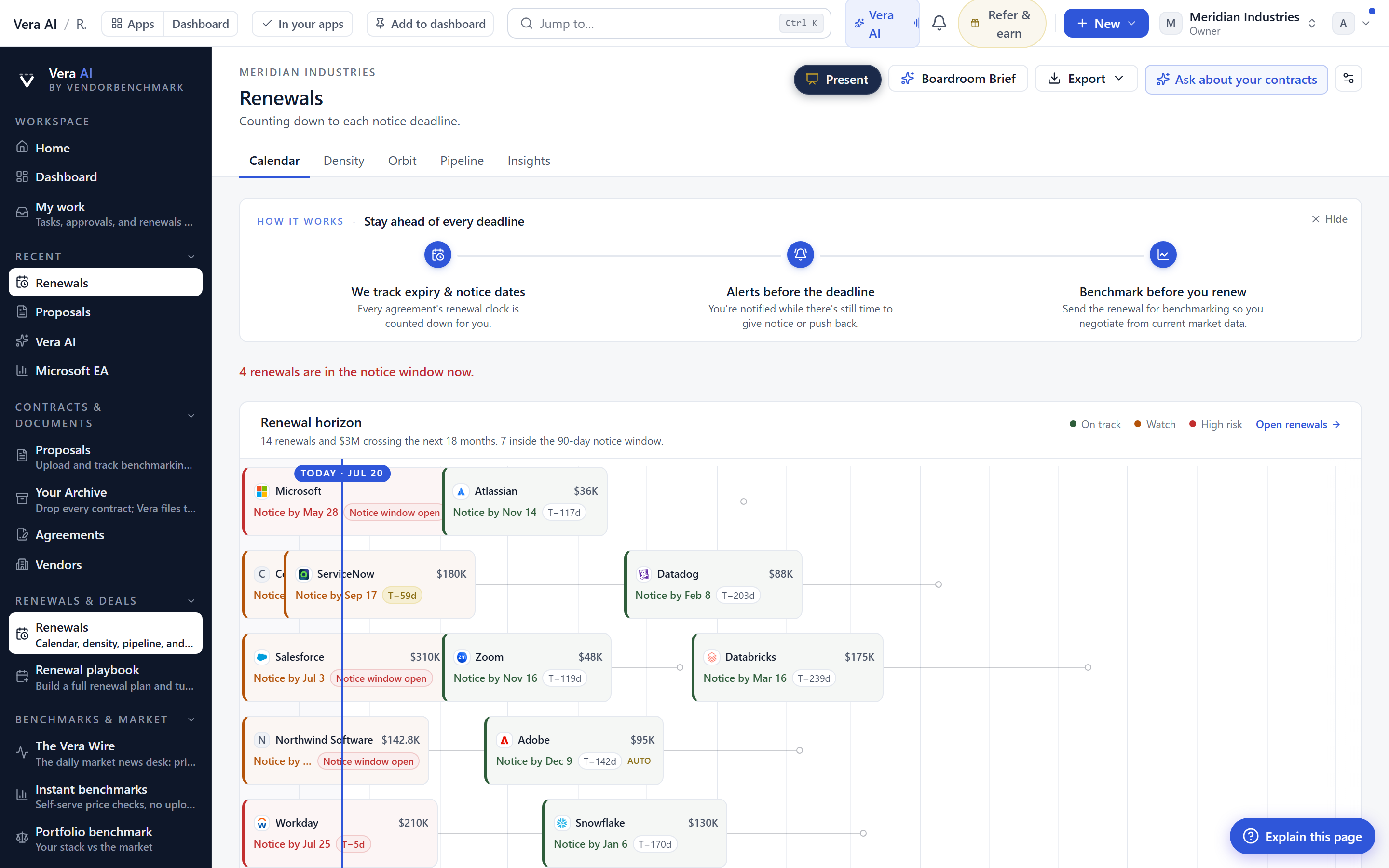
Here is a problem most procurement buyers stop noticing because they have lived with it so long: the renewal you need to read is never in one place. The agreement sits in one system, the facts sit in a spreadsheet a colleague built, the dates sit in a shared calendar, and the money sits in a slide from last year. You reassemble the picture in your head every time, and you reassemble it slightly differently every time. We shipped a change to fix the reassembly, not to add another view. When you pick a row in the book, the case in the reading column now reads the way the desk reads: the agreement and its one press, the lede, then groups instead of cards. This follows the same grain we set when the renewal desk became a Windows application.
The problem has a name and it is context loss
Context loss is the tax you pay every time you move between windows to answer one question. A buyer opens the contract to check the notice period, opens the calendar to check the date, opens the finance file to check the uplift, and by the time all three are open the original question has drifted. The old case card layout made this worse by scattering the answer across small tiles that each demanded a second look. You read a card, then another, then a third, and none of them told you what to do next. The redraw replaces cards with groups because a group carries a reading order and a card does not.
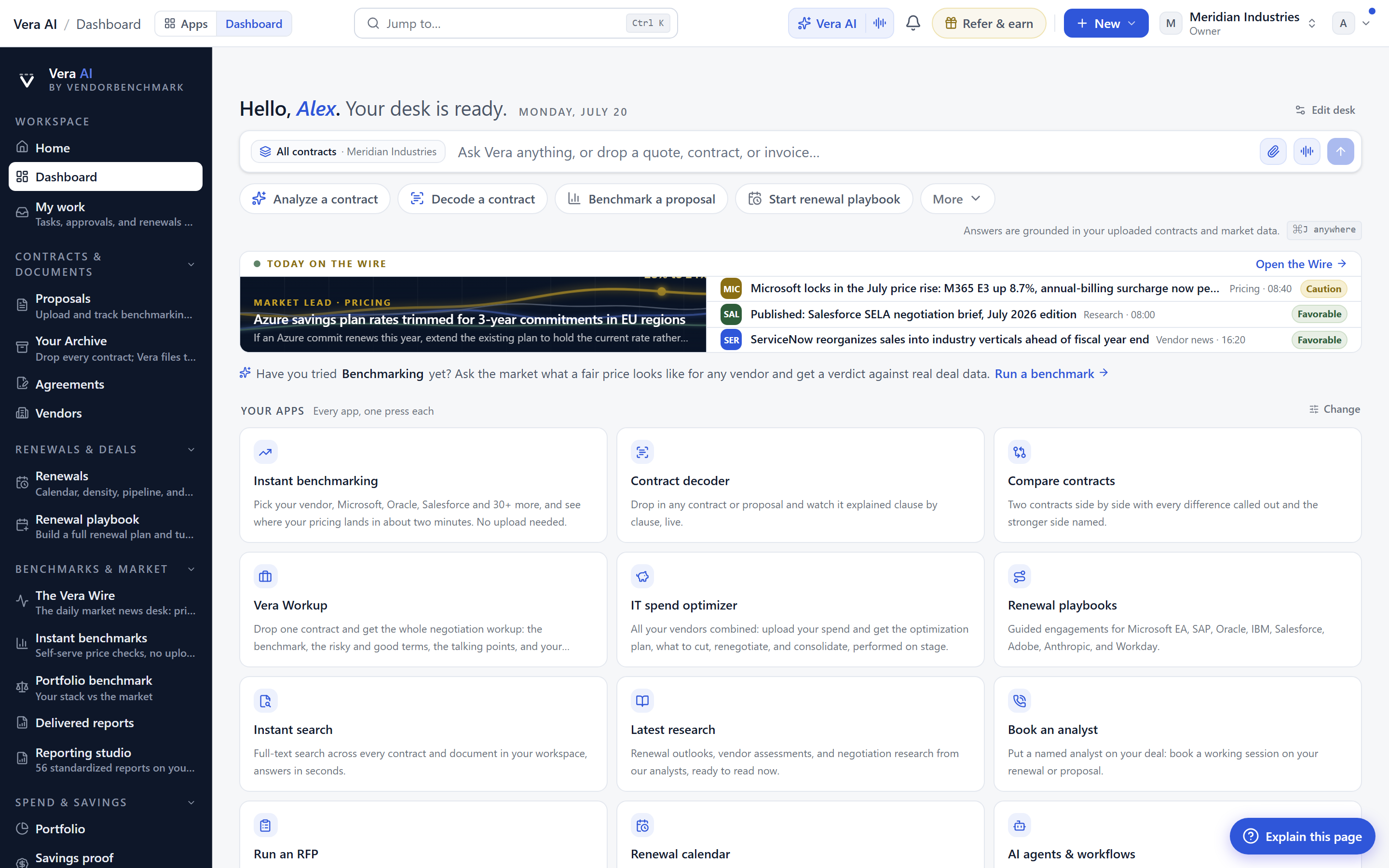
What the reading column now shows, in order
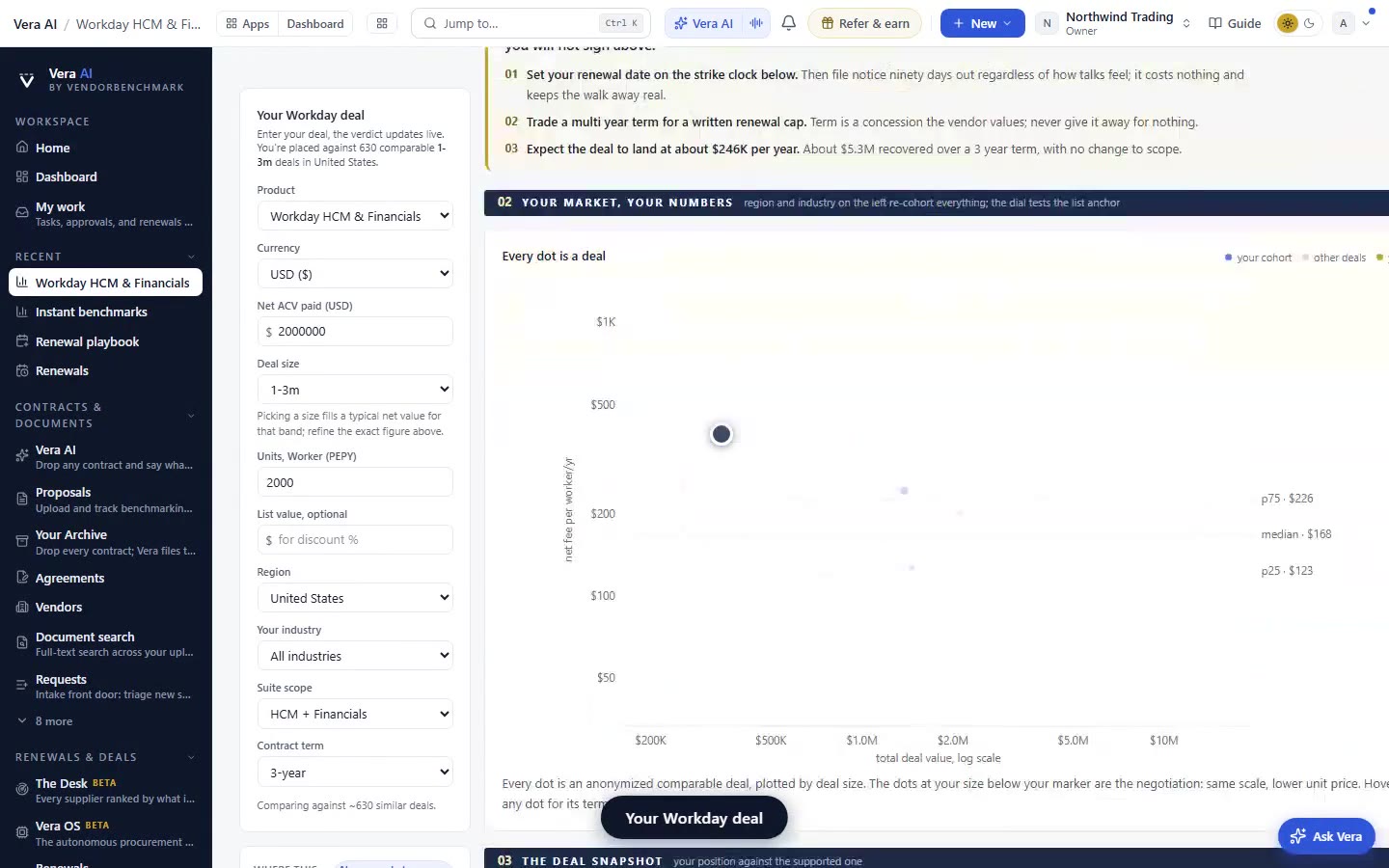
The case reads top to bottom, and the order is deliberate. First the agreement and its one press, so you know which paper you are reading and can open it without leaving the column. Then the lede, one line that says what this case is about. Then the groups. The four facts come first, and each fact carries the control that fixes it, so a wrong notice period is not just flagged, it is editable where you found it. Next the dates on the timeline, so the sequence reads as a sequence rather than a list. Then the money with the uplift lever, which is where most of the value hides. If you want the arithmetic behind that lever, we walk through it in negotiating the uplift and what compounding does to three years.
After the money come three groups that answer the only questions a reviewer actually asks. Where the deal sits, meaning its position against the market and its stage in the path. What to do next, meaning the concrete step rather than a vague status. And the thread, meaning the record of what was said and decided, so nobody has to do email archaeology to reconstruct the last cycle. The inspector beneath the case wears the same tabs, props, and rows, so opening it feels like reading further down the same page, not opening a new one. This is the same principle behind the way the decode reads on the page with your next steps beside it.
How it fits the workflow you already run
Nothing about the sequence of your work changes. You still start in the book, which is the renewal calendar ranked the way you rank it. You still triage by date and by distance from market. What changes is the reading step in the middle, the one that used to cost you the most and produced the least. The reading column is now the place you make the call, not the place you gather the pieces to go make the call somewhere else. When the money group and the uplift lever tell you the number is out of range, the next-steps group hands you the move, and from there you are one press from the war room.
For teams that manage renewals in sequence rather than one at a time, the redraw compounds. Every case reads the same way, so the second case takes less attention than the first and the tenth takes less than the second. You stop relearning the layout for each vendor. You can walk the whole book from the same reading posture, and you can hand a case to a colleague knowing they will read it in the same order you did. Start where the work starts, on the renewals book.
What changes for a buyer, precisely
The honest limits
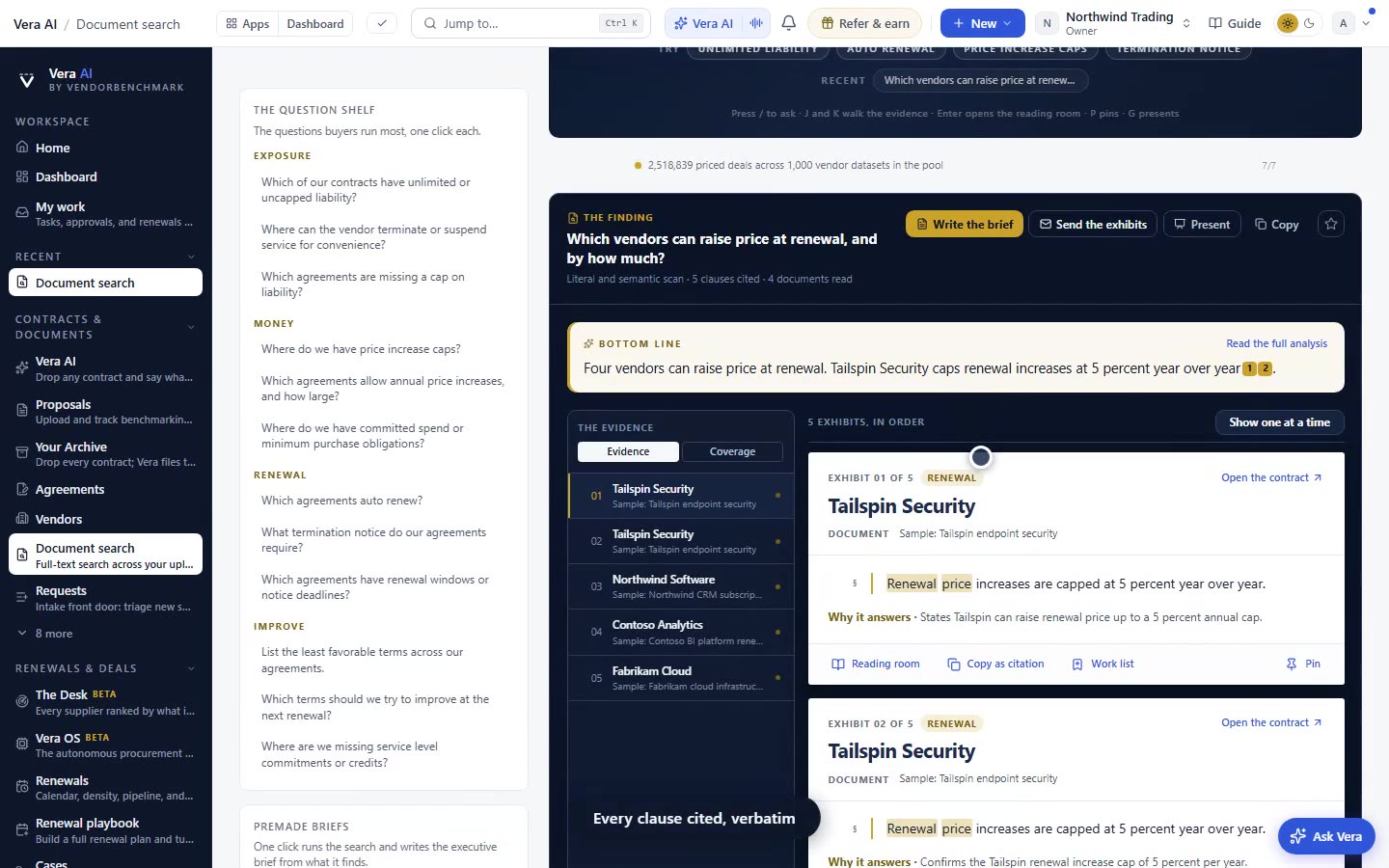
This is a reading change, not a data change. If the source paper is thin, the case will be thin, because the four facts are only as good as the contract they were read from. The redraw makes gaps more visible, which some buyers find uncomfortable at first, and rightly so, because a visible gap is a gap you can close. It does not negotiate for you. The next-steps group points to the move, but the move is still yours to make in the war room and with your stakeholders. It also does not replace the sign-off chain. When a case is ready, approvals still run through the deal sign-off chain, with a brief for every approver, and that is by design. Finally, the reading column shows one case at a time. It is built for depth on a single renewal, not for comparing ten at once. For portfolio-wide questions, the estate and portfolio views remain the right tools, and the reading column is where you land after you have picked the one that matters.
We built this because the slowest part of a renewal was never the negotiation. It was the reading that came before it, done differently each time, in windows that never quite lined up. The case beside the book now reads the way a good analyst reads a file, in order, with the controls to hand and the next step in view. That is the whole ambition, and we think it is the right size of one.
Fredrik has spent more than twenty years in enterprise software, with time at Oracle, IBM, SAP, and Salesforce before moving to the buy side. He structured and priced the kind of large agreements most buyers only see once or twice in a career, which taught him where the leverage sits and how far a vendor will actually move. He started VendorBenchmark to hand that knowledge to every sourcing team.