Negotiating the uplift: caps, floors, and what compounding does to three years.
Everyone negotiates the discount and almost nobody negotiates the uplift, the annual increase baked into the renewal. That is backwards, because the discount is a one-time win and the uplift compounds every year for the life of the deal. The cap you negotiate on it is often worth more than the discount you fought for.
Walk into any software negotiation and you will find everyone focused on the same number: the discount. How many points off can we get on the first-year price? It is the visible, satisfying number, the one that gets reported to the boss and celebrated when it lands. And it is a one-time event. The number that quietly outweighs it is the one almost nobody negotiates with the same energy: the annual uplift, the increase the vendor applies at each renewal, written into the contract as a percentage that sounds small and behaves anything but.
The reason the uplift matters more than the discount is compounding. A discount is a single reduction to the starting price. An uplift is a rate applied year after year, to an ever-larger base, for the life of the relationship, and small percentages compound into large numbers over the multi-year terms software runs on. A buyer who wins a hard discount and waves through an uncapped uplift has won the battle and lost the war, because the uplift will erase the discount and then keep going. Negotiating the uplift, capping it, understanding its floors and its links, is where the durable money is.
What a few points does over a few years
The intuition to overcome is that a single-digit uplift is small. It is not, because it compounds on the growing base. An increase applied every year, on top of last year's already-increased price, bends the spend curve upward in a way that a flat mental model badly underestimates. Over a typical multi-year term, the difference between an uncapped uplift running at the vendor's preferred rate and a tightly capped one is not a rounding error; it is often a larger sum than the entire first-year discount you celebrated. The uplift is where the vendor recovers the discount and more, patiently, over the years you are not looking.
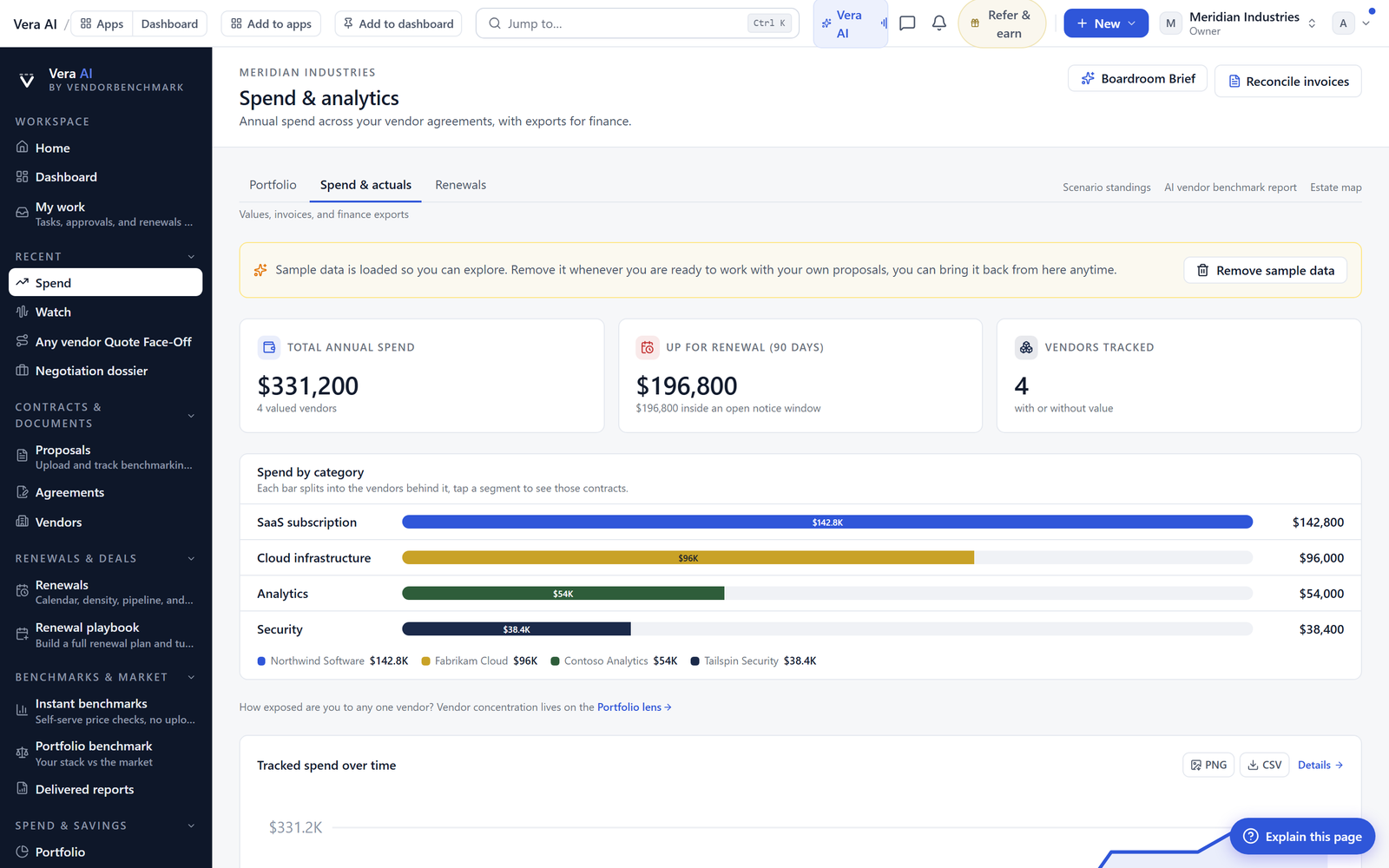
This is why the uplift has to be modeled, not felt. Seeing the actual spend trajectory under different uplift assumptions, uncapped at the vendor's rate, capped at a number you negotiate, held flat, makes the stakes concrete. The gap between the curves over the term is the prize, and it reframes the whole negotiation: a point of uplift cap is frequently worth several points of first-year discount in total-term value, which is the opposite of how most teams weight their effort. Model the compounding and the priorities reorder themselves.
Caps, floors, and the tricks in the clause
Negotiating the uplift well means understanding the mechanics buried in the clause, because vendors have several ways to make an increase look tamer than it is. The obvious lever is the cap: a hard ceiling on the annual increase, the lower the better, and ideally a fixed percentage rather than an open-ended one. But watch for the floor, the minimum increase that applies regardless, which turns a "capped" uplift into a guaranteed one. Watch for links to an index like CPI, which sound neutral but hand the vendor whatever inflation delivers, often above what you would have agreed to as a fixed number. And watch for uplifts that apply to list rather than your net price, which quietly inflates the base the increase compounds on.
The strongest position combines a low fixed cap with no floor and no index link, so the increase is bounded and predictable rather than open to the vendor's interpretation of the economy. Where a vendor insists on some increase, the negotiation is about pushing the cap down and stripping the tricks, not accepting the first clause offered. A buyer who reads the uplift clause for its floors and links, and negotiates each, ends up with a genuinely bounded cost; one who negotiates only the headline cap percentage may find the floor and the index quietly restored most of what the cap took away.
Want to be updated when major licensing and pricing changes land? One analyst brief a week: the price rises, metric changes and audit campaigns that move software costs. Work email only.
Benchmark the uplift, because it is negotiable
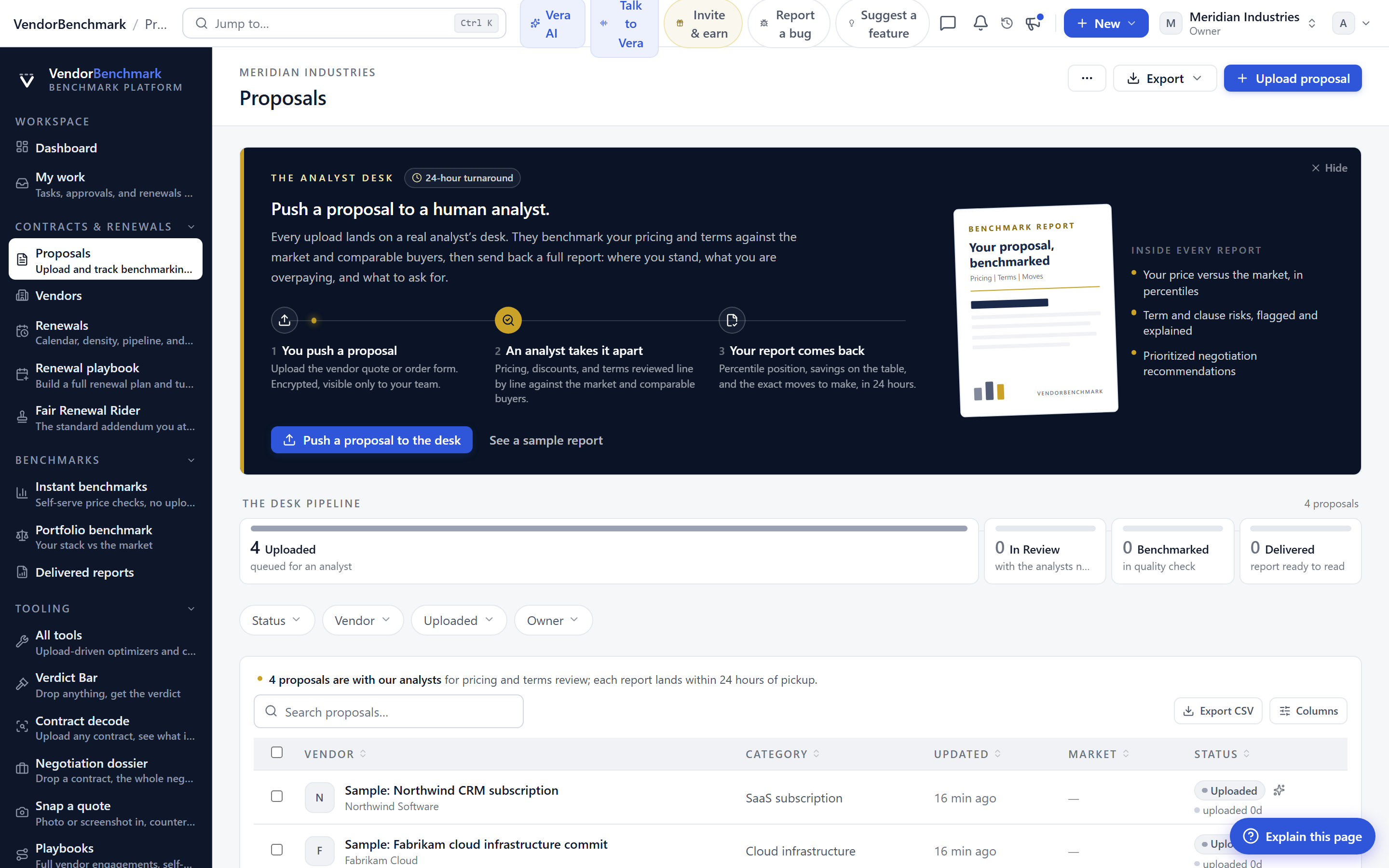
Buyers accept high uplifts partly because they assume the increase is standard and non-negotiable, a fact of vendor life. It is neither. Uplift caps vary widely across deals and vendors, and the cap you can achieve sits in a distribution just like the discount does, so it can and should be benchmarked. Knowing that comparable buyers cap this vendor's uplift at a materially lower number than you are being offered turns "this is just our standard increase" into a negotiable term with evidence behind it, which is exactly the leverage that moves a cap down.
The uplift is also a term where a credible alternative and good timing pay off, because a vendor motivated to close will trade on the cap as readily as on the discount, and sometimes more readily, since a lower cap costs them slowly over years rather than visibly at signing. A buyer who brings a benchmark on the cap, a priced walk-away, and the compounding math showing what the uplift really costs is negotiating from a position most vendors are not used to defending, because most buyers never push here. The uplift is under-negotiated precisely because it is where the vendor least expects resistance, which is what makes resistance so effective.
Winning the term that compounds
A cap is a ceiling, not a guarantee of value
A tight uplift cap bounds the increase; it does not guarantee the underlying price was fair to begin with, and a low cap on a bad starting price is still a bad deal that gets slightly less bad each year. The uplift and the discount are both parts of the total cost, and a buyer has to negotiate both, weighting the uplift more heavily than instinct suggests but never at the expense of a genuinely poor base price. The cap protects the trajectory; the benchmark protects the starting point.
What negotiating the uplift removes is the slow, invisible erosion that vendors count on. A deal celebrated for its discount and then handed an uncapped, floored, index-linked uplift is a deal engineered to give the win back over the years nobody is watching. Modeling the compounding, capping the increase, stripping the tricks, and benchmarking the cap turns the uplift from the vendor's quiet recovery mechanism into just another term you negotiated on the evidence, which over a multi-year deal is where the real money was all along.
Morten brings two decades of enterprise and software procurement, with stints across Oracle, IBM, SAP, and Salesforce shaping how he reads a deal. He has led sourcing through hundreds of renewals, from mid market order forms to nine figure global agreements, and learned that the buyers who win are the ones who walk in knowing the market. He built VendorBenchmark to make that pattern recognition repeatable.
The week in enterprise software buying, in one email.
What shipped on the platform, and the pricing and licensing moves worth knowing before your next renewal. One email a week, to your work address. Unsubscribe any time.