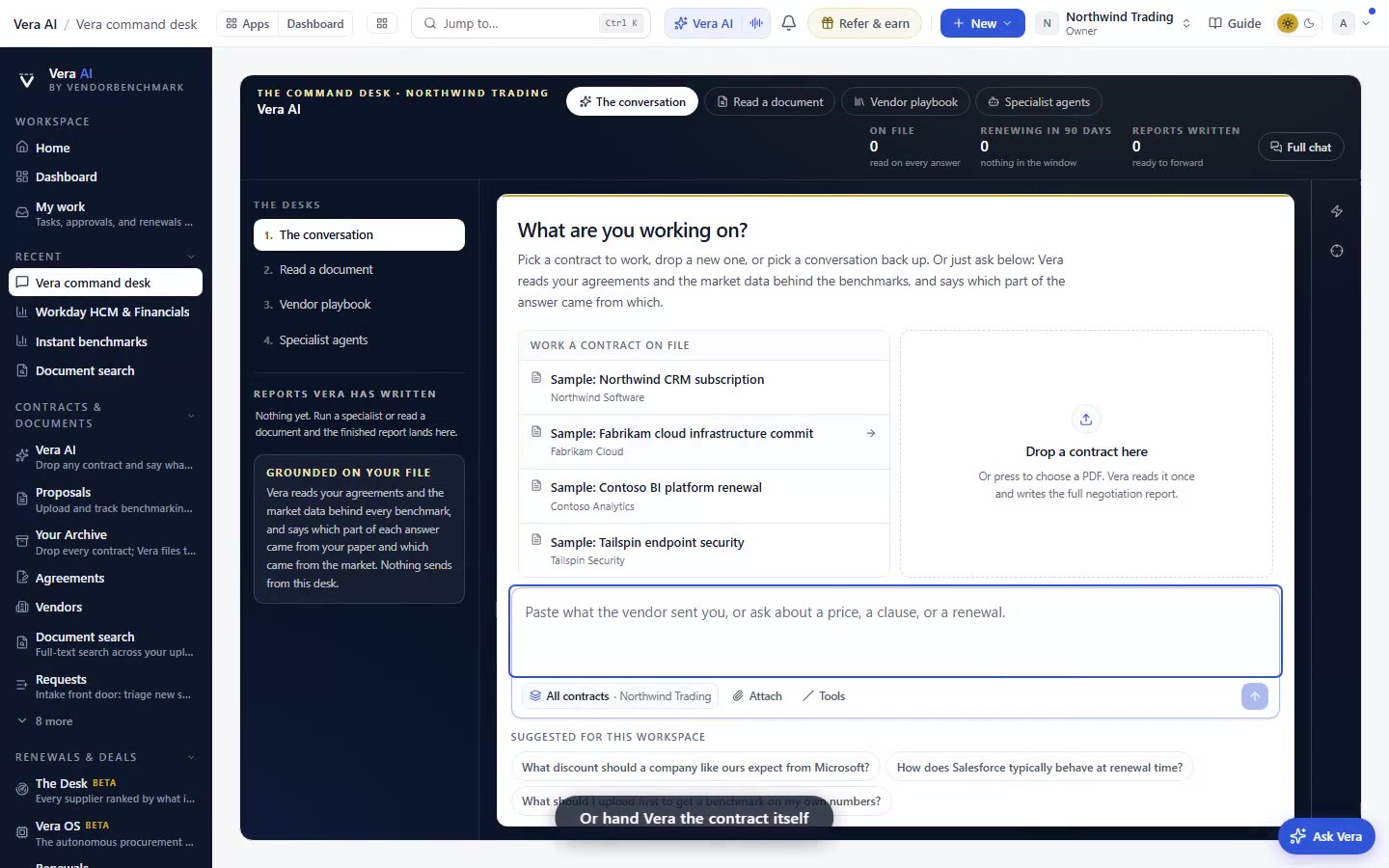
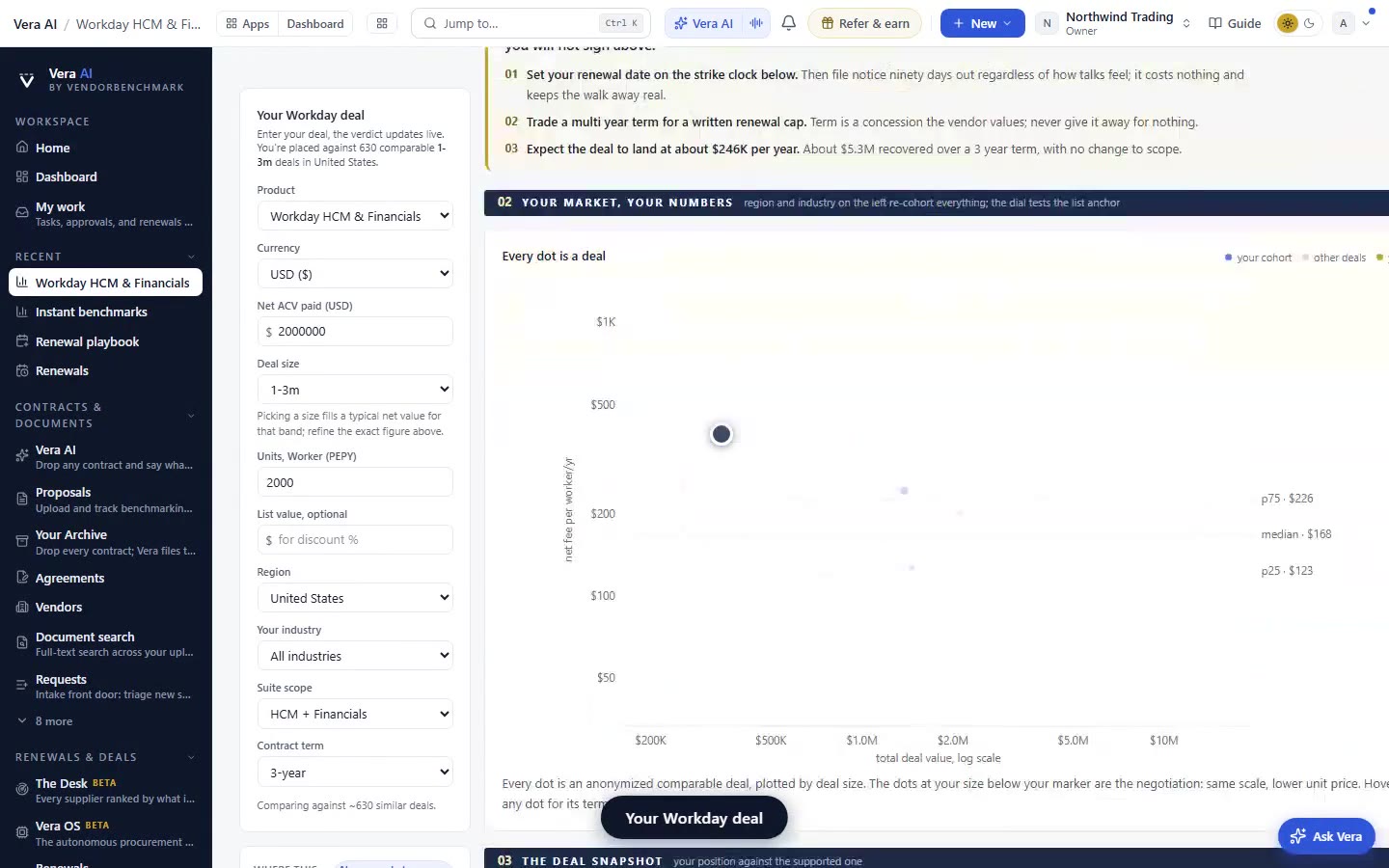
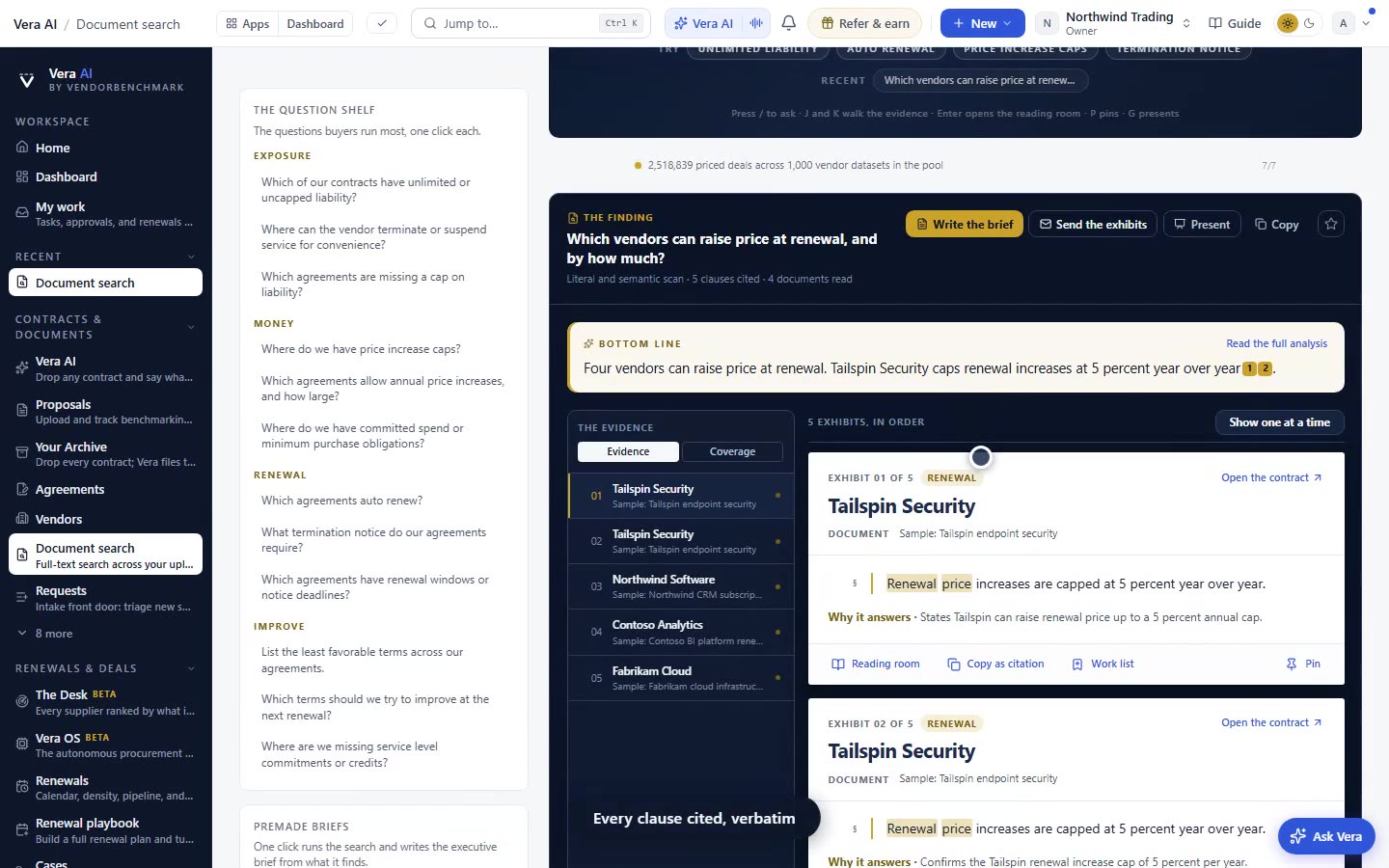
When six people approve six different drafts, nobody approved the contract
Approvals only count if they apply to the same document. When each stakeholder reviews a draft pulled from a different email thread, you collect signatures against an agreement that does not exist.
Think back to your last committee review. Legal marked up a draft that arrived as an attachment on a Tuesday. Finance opened a copy your colleague had forwarded on the Thursday before, the one with the payment terms still at net 30. Security reviewed a PDF export that predated the data processing addendum entirely. Each of them read carefully. Each of them approved. And when you assembled the signatures, you realised none of the three approvals applied to the same set of terms. This is version drift, and it is the quiet way a governed process produces an ungoverned outcome.
The problem, named
An approval is a statement about a specific document. When the CFO writes back approved, that word is only meaningful if you can point to the exact terms it was measured against. The trouble is that most committee reviews do not circulate a document. They circulate copies of a document, and copies drift. Someone renegotiates a clause and mails the new draft to two of the four reviewers. Someone else replies to an older thread and reattaches a stale file without noticing. Within a week you have four artefacts that all look like the contract, share a filename, and disagree on the terms that matter.
The result is not a minor filing error. It is a fully documented approval trail that certifies an agreement nobody actually agreed to. You can produce the emails. You can show the approved responses. But if a dispute surfaces later on indemnity scope or auto renewal, the record shows your own approvers reading past each other. This connects directly to a failure we have written about before, where nobody knows who actually owns the decision. Version drift is the document-level version of that same ownership gap.
Why the drift happens and why it persists
Version drift is not caused by careless people. It is the default behaviour of email plus attachments, and email plus attachments is how most contract review still runs. Three forces keep it alive.
First, the review is asynchronous by design. You send the draft to Legal, Finance, Security, and the business owner on the same day, but they respond over the following ten days. During those ten days the draft keeps moving. The vendor sends a revised pricing table. A clause gets softened in a side conversation. Every change that lands mid-review means at least one reviewer is now looking at the wrong terms, and there is no signal telling them so.
Second, forwarding strips context. When a reviewer forwards the draft to a colleague for a second opinion, the colleague inherits whatever version was attached, not the current one. A draft that has been forwarded twice is genuinely hard to date. The filename says v4. The contents might be v2. Nobody can tell without a line by line comparison that nobody has time to run.
Third, and most stubbornly, nobody feels responsible for the canonical copy. Legal owns their markup. Finance owns their numbers. Procurement owns the relationship. But the single authoritative draft that all approvals should attach to is owned by no function, so it exists nowhere. This is the same dynamic that produces three teams, three vendor calls, and three different answers. When there is no shared source, every function builds a private one.
The single source of truth, in practice
The fix is easy to state and hard to enforce by policy alone. Every approver must sign against one document, and that document must be the same one the vendor is negotiating. The reason policy fails here is that policy asks humans to resist a convenient behaviour, forwarding an attachment, dozens of times a week. The reliable fix removes the convenient behaviour instead of forbidding it.
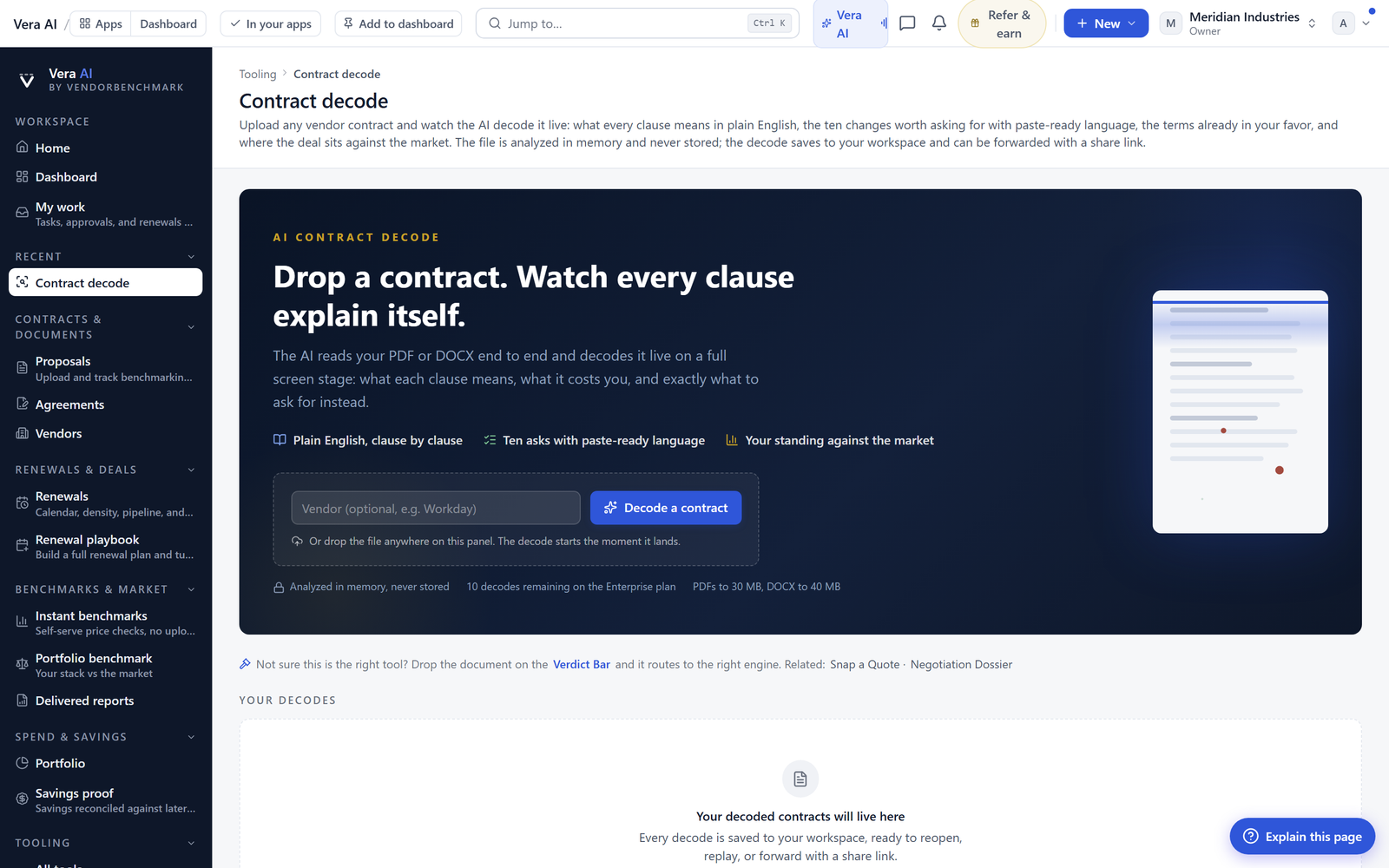
The platform motion is the contract and quote decoding layer. Instead of a draft that lives in attachments, the agreement lives once as a canonical record. Decoding reads the terms and annotates them in plain language, so a Finance reviewer and a Security reviewer are looking at the same clauses with the same explanations, not two exports of different vintages. When the vendor sends a revision, the canonical version updates in place and the annotations flag what moved. There is nothing to forward, because there is nothing to copy.
On top of that record sits the approval flow. We described the mechanics in the deal sign-off chain, where approvals are captured before signature with a tailored brief for every approver. The point that matters for version drift is simple. The chain runs against the canonical draft, not against whatever each person happened to open. When the CFO approves, the approval is bound to that specific version. If the terms change afterward, the approval is visibly invalidated rather than silently stale.
What the single source removes
Once every reviewer works from one decoded draft, a set of recurring failures simply stop occurring. Here is what changes, in order of how often it bites.
There is a compounding benefit worth naming. Because the canonical draft is decoded and structured, it feeds the tools you already use for other jobs. The same terms become reviewable across your whole book through the review tables, and your negotiating positions carry over from the clause library that argues your playbook. The single source of truth is not just cleaner governance. It is the input everything else reads from.
What this does not solve
Honesty first. A single canonical draft ends version drift. It does not manufacture agreement. If Legal wants indemnity capped and Finance wants it uncapped, the platform will show both positions clearly against the same clause, but it will not settle the argument for you. It removes the confusion about which draft, not the substantive disagreement about which terms. That is a human decision and should stay one.
Second, decoding annotates and compares terms, it does not replace legal judgement on those terms. It will tell your reviewers that the auto renewal window changed from 90 days to 60. Whether 60 days is acceptable for your notice process is a call your counsel makes. The platform makes sure the call is made against the real number, once, by the right person.
Third, the source of truth is only as current as your ingestion of vendor revisions. If a term is negotiated verbally on a call and never lands in the document, the canonical draft cannot know about it. The discipline of pushing every change back into the record still belongs to your team. What the platform guarantees is that once a change is in the record, everyone is looking at it. Pair that with a live watch on the commercial side, the kind we cover in Terms Watch, and the gap between what was agreed and what is written narrows to something you can actually manage.
The claim is deliberately modest and worth holding to. Version drift turns a governed review into an ungoverned outcome, and it does so silently. One canonical annotated draft, with approvals bound to the version they were made against, ends that silent failure. Your committee still has to do the hard part, which is deciding. It just finally does it about the same contract.
Fredrik has spent more than twenty years in enterprise software, with time at Oracle, IBM, SAP, and Salesforce before moving to the buy side. He structured and priced the kind of large agreements most buyers only see once or twice in a career, which taught him where the leverage sits and how far a vendor will actually move. He started VendorBenchmark to hand that knowledge to every sourcing team.