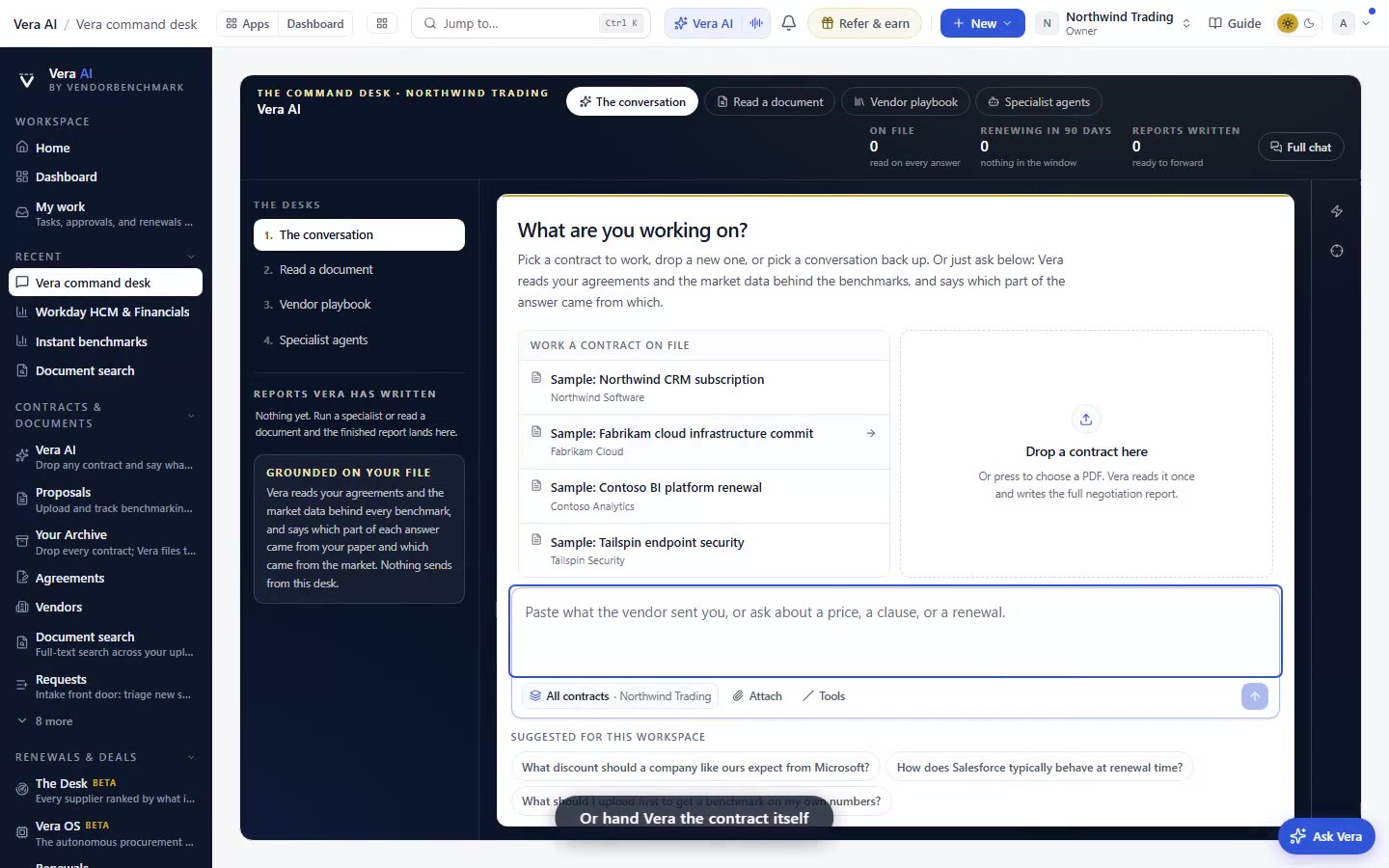
The committee agreed on the vendor. Now argue about the number
Consensus on the logo hides a quiet fracture on the quantity. That fracture is where the money leaks. Evidence, not opinion, is what closes it.
You spent six weeks getting the committee to agree on a vendor. Scoring matrices, reference calls, a security review, two rounds of demos. Last Thursday everyone nodded. And then someone asked how many licenses you were committing to, and the room split three ways. Finance wants the smallest number that survives audit. IT is sizing for the migration plus a buffer. The business owner is counting heads that do not exist yet but might by Q3. Three people, three numbers, and a vendor quote already built on the largest of them.
This is the part of the deal nobody puts on the timeline. Vendor selection gets a process. Quantity gets a hallway conversation the week before signature. And quantity, not vendor choice, is where the real money is decided. A ten percent better unit price on the wrong seat count still loses you money against a fair price on the right one.
Why the vendor is the easy decision
Vendor choice is easy because it is visible. Everyone can see the two logos on the slide, everyone has an opinion, and the criteria are shared even when the weights are argued. Consensus is loud and it is public, so it gets reached. Quantity is the opposite. It is a private assumption each stakeholder carries into the room without ever stating it out loud.
Finance carries the number that keeps the annual figure defensible. IT carries the number that covers the environments, the non-production seats, the admins nobody counts. The business carries the number that reflects the hiring plan they have not shared with procurement. Nobody is wrong. They are answering different questions, and because the questions were never made explicit, the three answers never get reconciled. They just get averaged, badly, under deadline pressure, into whatever the vendor already quoted.
How the fracture costs real money
The vendor's incentive is to anchor the quantity high and lock it for the term. A multi-year commitment on inflated seats is the cleanest margin in enterprise software, because the shortfall is invisible until year two when your utilization report shows forty percent of the estate never logged in. By then the commit is signed and the true-down conversation is a favor you are asking, not a right you hold. We wrote about that dynamic in the context of one common renewal, the true-down, the bundle, and fiscal timing, but the mechanism is vendor-agnostic.
The root cause is upstream. A seat count guessed at intake becomes the wrong commitment at signature, and the quote is built on top of the guess before anyone has pressure-tested it. We have written a whole post on the seat count nobody verified because it is the single most common way a good deal quietly becomes an expensive one.
What replaces the three numbers
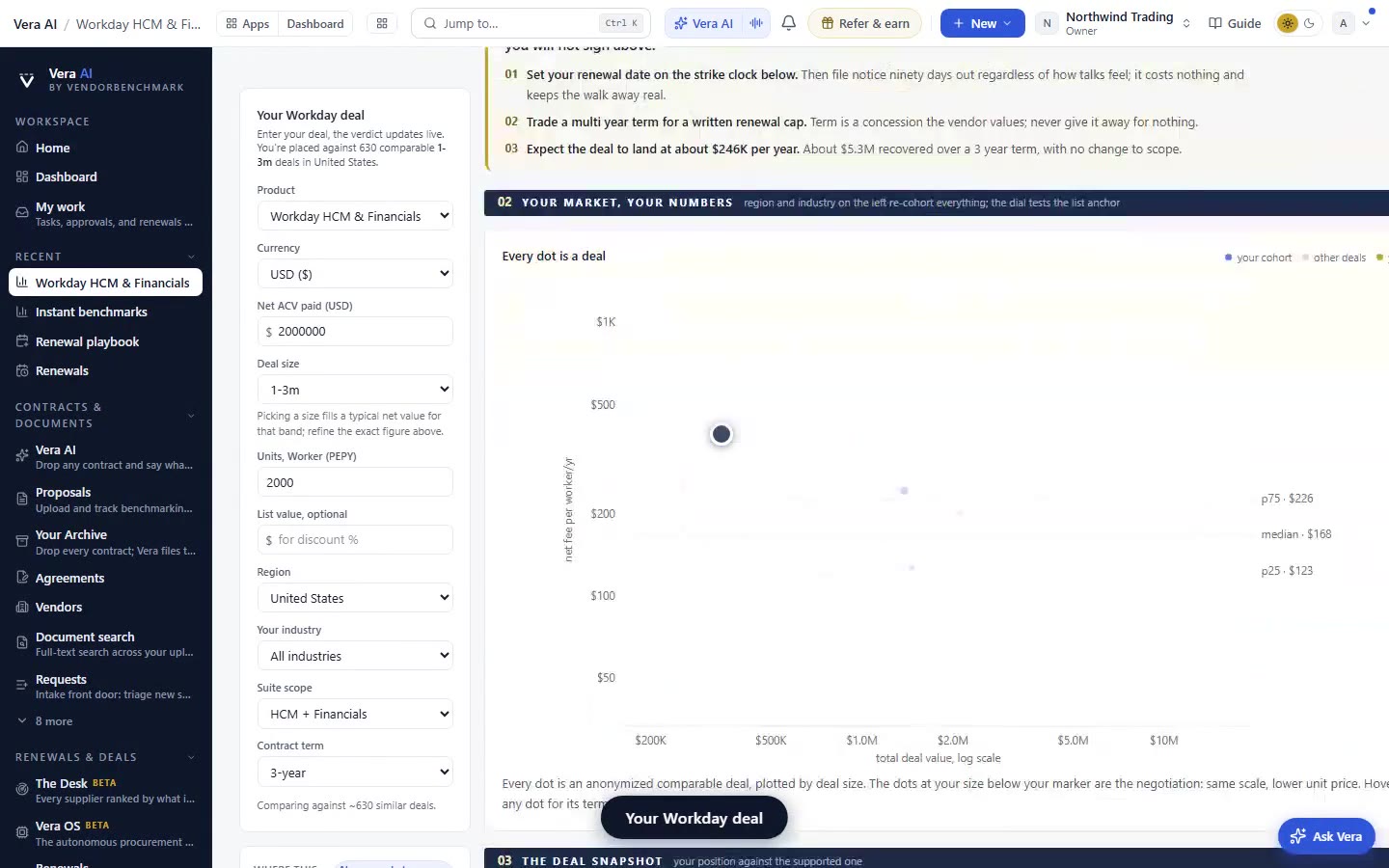
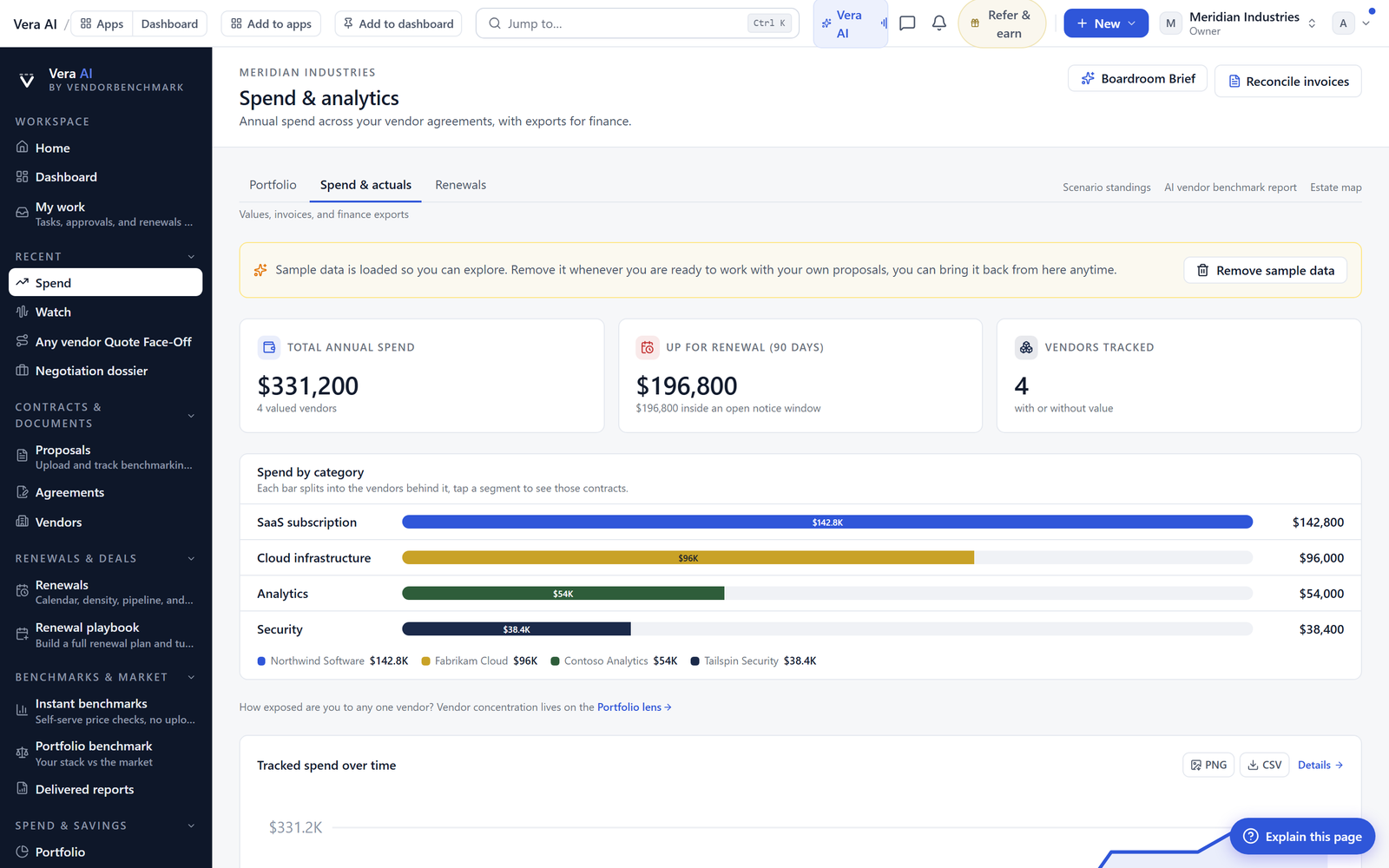
The fix is not to make one stakeholder win. It is to replace three opinions with one evidence-backed range that all three can commit to together. That range has two inputs. First, your own estate, so the base is what you actually use rather than what you were once sold. Second, what comparable organizations actually committed to in closed deals of similar shape, so the buffer is calibrated against reality instead of the vendor's optimism.
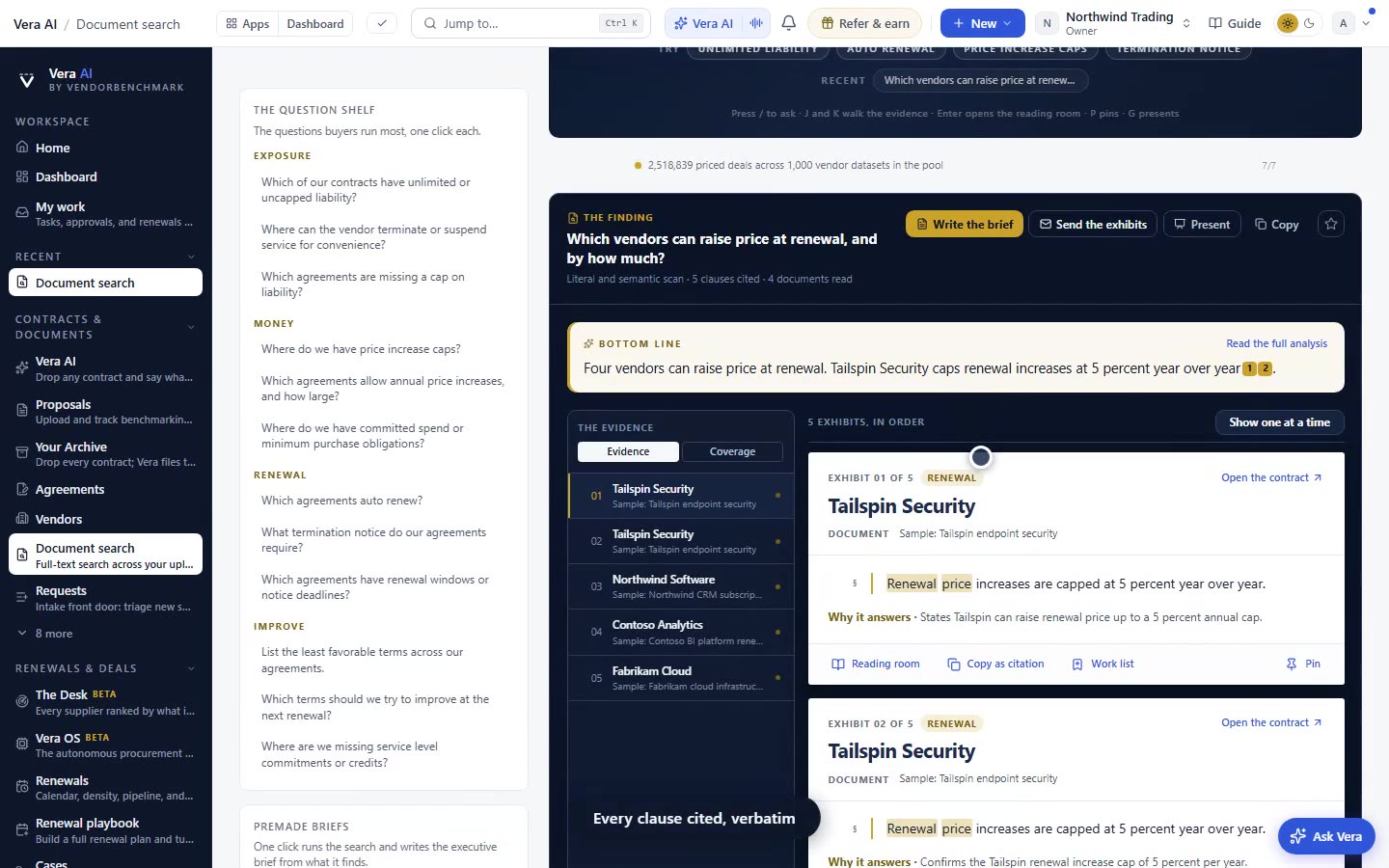
That second input is where survey data fails you and researched pricing evidence does not. Survey benchmarks flatter everyone because they average self-reported figures. Closed-deal evidence tells you what similar buyers actually signed. We drew that distinction in survey benchmarks versus closed deals, and it matters most on quantity, because the seat count is exactly where wishful self-reporting distorts the picture.
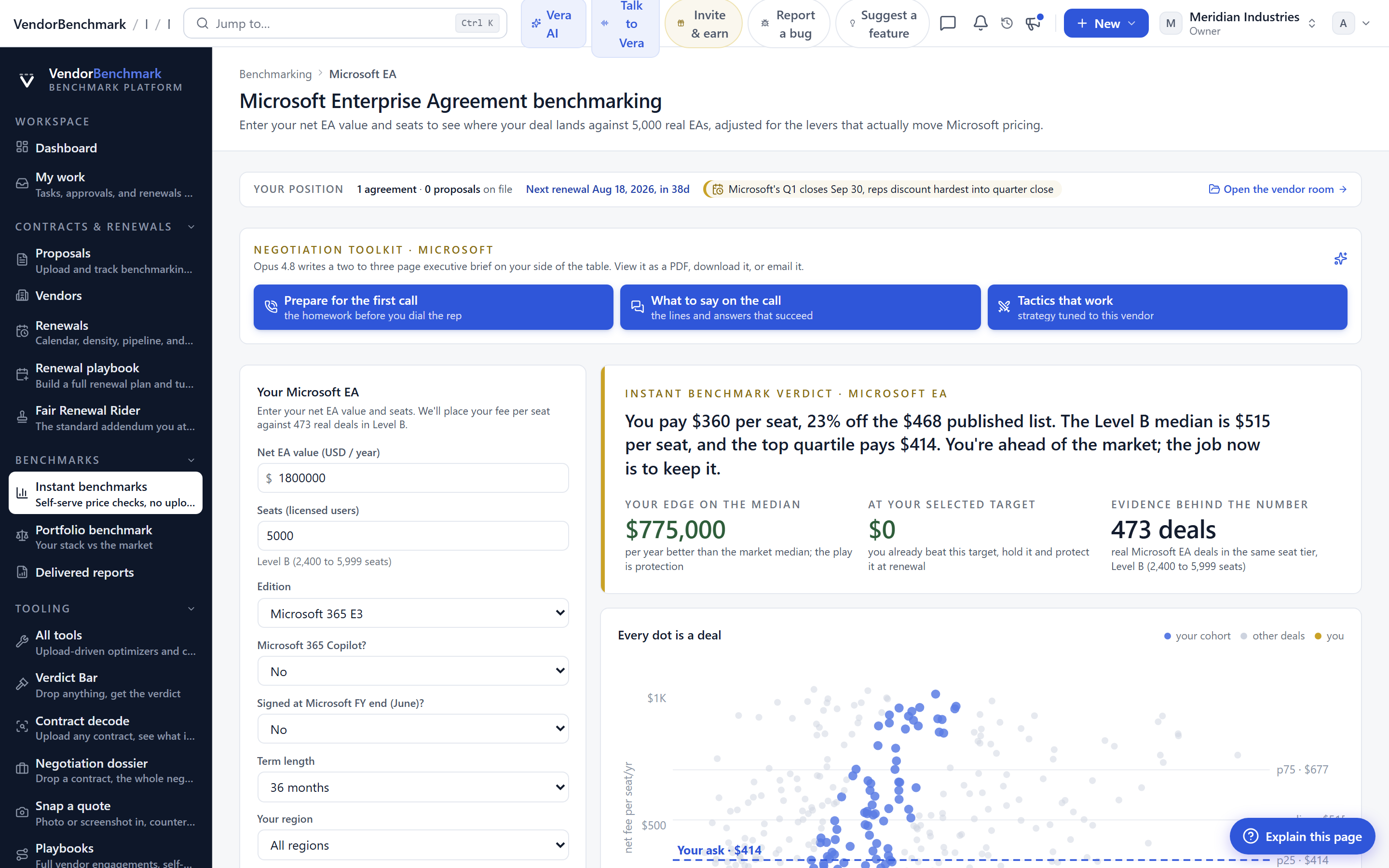
With documented market evidence behind the library, the committee stops arguing about whose number is right and starts arguing inside a bounded range. The floor is what your utilization supports today. The ceiling is what peers with your growth profile actually committed to. Finance can defend the floor. The business can point to the ceiling for its hiring case. Both are cited, so the conversation moves from opinion to placement within evidence.
The committee motion that removes the fracture
That last step is where the range earns its keep. On the call, you want to find out fast whether the quoted quantity and price are any good, and evidence lets you do that in real time. Our note on how to find out if the number is any good on a live call applies directly here, because the seat count is the variable the vendor least wants you to benchmark.
What this does not solve
Be honest with the room about the limits. A benchmarked range narrows the disagreement. It does not eliminate genuine forecasting uncertainty. If the business truly does not know whether it will hire fifty people or five hundred next year, no benchmark resolves that. The range tells you what a defensible buffer looks like for that uncertainty. It does not tell you the future. What it can do is push the risk of being wrong back onto contract flexibility, true-down rights and staged commits, rather than onto an inflated year-one number.
Nor does the evidence make the political decision for you. Finance and the business still have to agree on appetite for risk. The range makes that a smaller, cleaner argument conducted in shared units, but it is still a judgment call and someone still has to own it. And a benchmark is a starting position, not a guaranteed outcome. What the vendor concedes depends on your leverage, your timing, and how well you hold the line, none of which a percentile bar can supply on your behalf.
What the range does reliably is end the version of this that loses money by accident: three numbers averaged under deadline into the vendor's preferred figure. When the committee places its decision inside cited evidence, the quantity becomes a decision you made rather than one that happened to you. And when it comes time to show the board what procurement saved, a right-sized commit backed by comparable deals is a number they will actually believe.
Want to be updated when major licensing and pricing changes land? One analyst brief a week: the price rises, metric changes and audit campaigns that move software costs. Work email only.
Morten brings two decades of enterprise and software procurement, with stints across Oracle, IBM, SAP, and Salesforce shaping how he reads a deal. He has led sourcing through hundreds of renewals, from mid market order forms to nine figure global agreements, and learned that the buyers who win are the ones who walk in knowing the market. He built VendorBenchmark to make that pattern recognition repeatable.