Salesforce renewals: the true-down, the bundle, and fiscal timing.
A Salesforce renewal is engineered to move in one direction. The seat count carries over as if usage never changes, the headline discount hides what a user actually costs, and the calendar pressure is theirs, not yours. Here is the number that cuts through, how to land a reduction against a vendor built to resist one, and why the end of January is the best negotiating week of your year.
Salesforce built the modern SaaS commercial playbook, and its renewal motion is the reference implementation. The contract renews at the full committed quantity unless you fight for less. The discount you negotiated feels sacred, so the conversation stays anchored on preserving it rather than on what a user costs. New clouds and add-ons arrive attached to the renewal, so the baseline grows even in years you intended to hold flat. And the account team runs the whole sequence against its own fiscal calendar, which ends January 31, a date that matters more to your outcome than almost anything in your contract.
None of this makes Salesforce an unreasonable counterparty. It makes it a disciplined one, and discipline is answered with discipline. Three disciplines, specifically: the right number, the prepared reduction, and the right week.
The number: net fee per user, by edition, against modelled cohorts
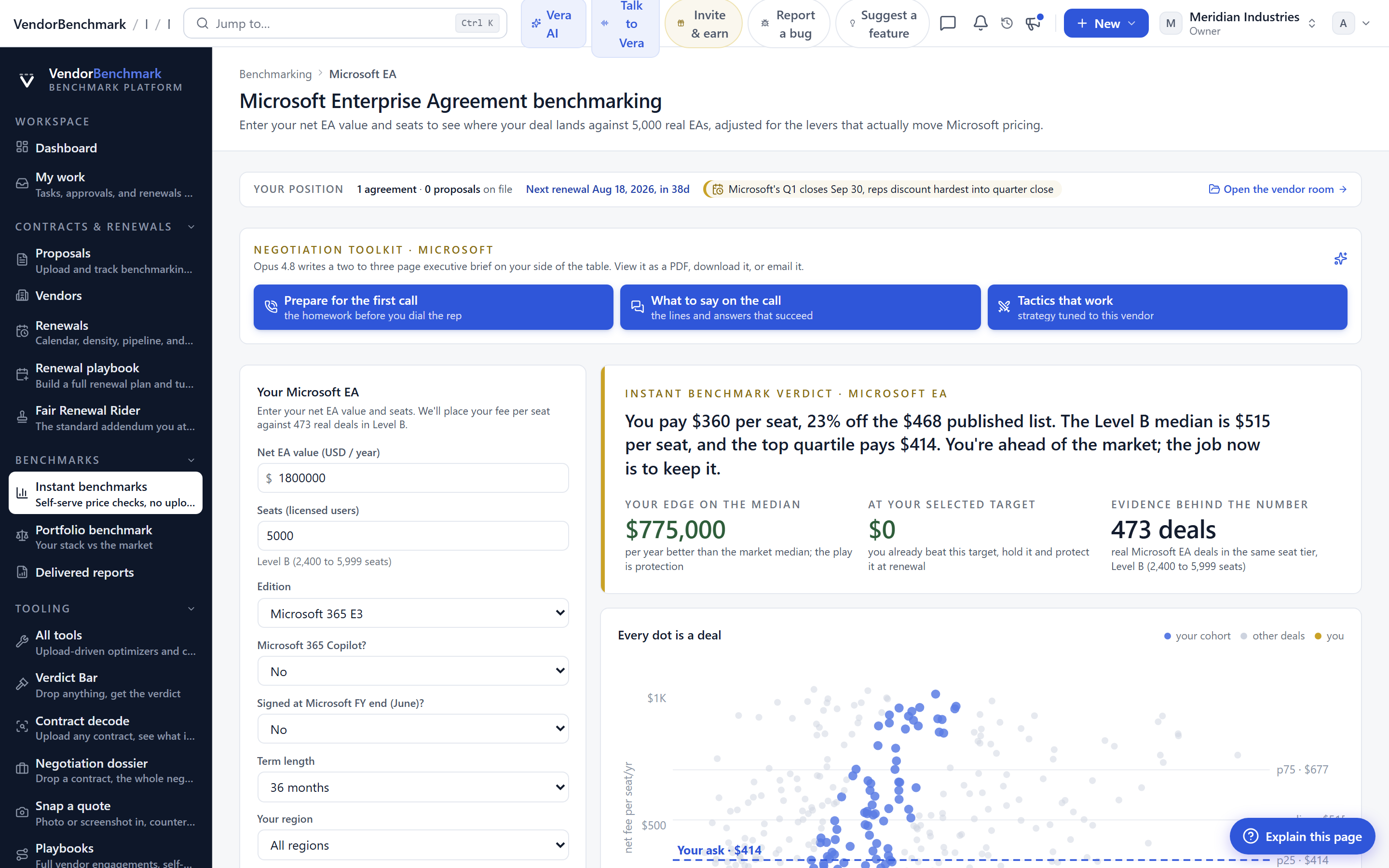
The discount is where Salesforce negotiations go to feel good and lose money. A percentage off list means little when list prices move and editions shift beneath you, and defending last cycle's discount is exactly the frame the vendor prefers, because it keeps you from noticing what changed underneath it. The number that survives is net fee per user, by edition: what an Enterprise or Unlimited seat on Sales or Service Cloud actually costs you per year, after everything.
That is the metric the benchmark runs. Your per-user net lands in a cohort of comparable closed Salesforce deals, normalized for seat count, edition mix, and term, and adjusted for fiscal timing, because deals signed in the vendor's fourth quarter genuinely price differently and comparing yourself to them without the adjustment flatters or panics you by accident. The percentile that comes back is the negotiation: the gap to the median and top quartile, in dollars per year, is the range that deals shaped like yours have actually settled in.
The true-down: won on evidence, months before the ask
Reducing seats at a Salesforce renewal is famously hard, and the difficulty is structural: the standard paper gives you no mid-term reduction right, the account team is compensated on net expansion, and the renewal quote arrives pre-filled with your full committed quantity plus whatever growth story the account plan needs. Complaining about any of this is weather. Preparing for it is climate control.
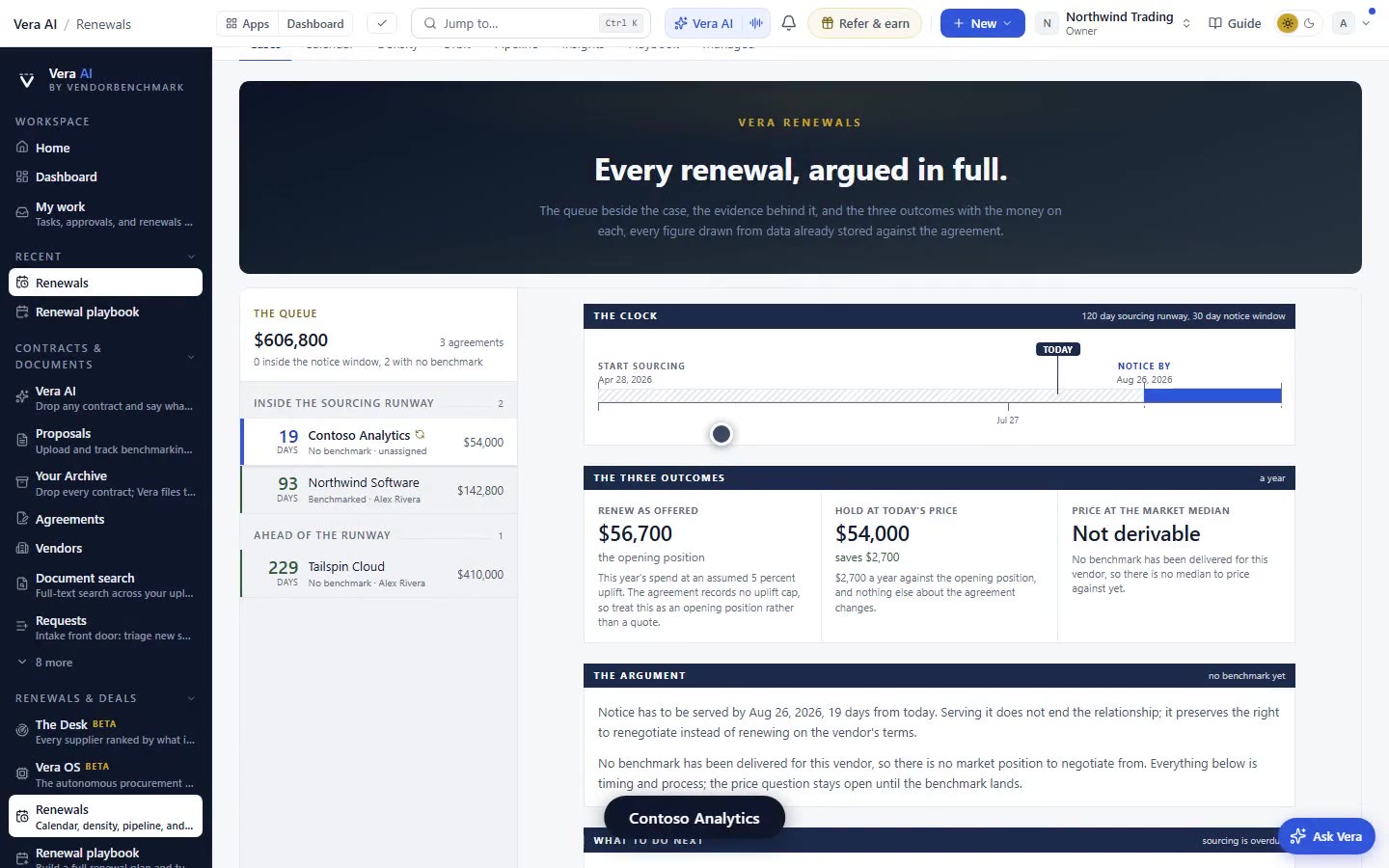
The preparation is the shelfware radar run against your Salesforce estate specifically: entitled versus assigned versus actually active, by edition, priced at your real per-user net. The output does two jobs. The idle count funds the reduction ask with evidence a rep cannot wave away, and the edition analysis usually finds the quieter, larger win: users on Unlimited whose activity profile is an Enterprise seat, full licenses doing a job a platform license would do. Salesforce fights headcount reductions hard. It fights edition right-sizing noticeably less, and the dollars are often bigger.
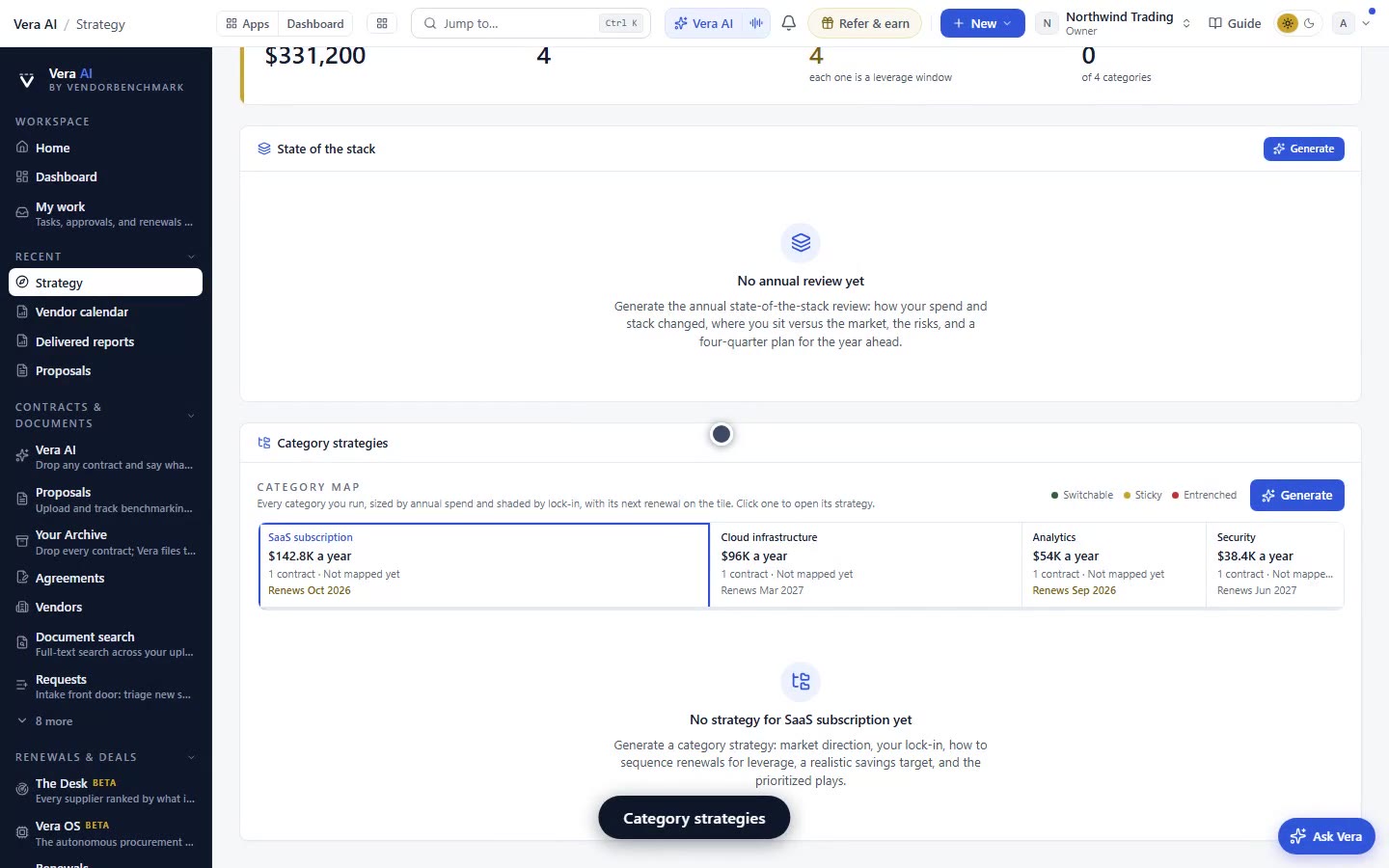
Then aim the ask at the bundle, not just the seats. The multi-cloud agreement prices as a package precisely so that no single line has a visible market price. Unbundle it analytically even if you keep it commercially: benchmark each cloud separately, find the line subsidizing the others, and make that line the centerpiece of the reduction conversation. And before signing anything, write next cycle's flexibility into this cycle's paper: a renewal cap, a true-down corridor at renewal, and rate protection on growth, the same protections every subscription renewal deserves, which Salesforce grants far more readily in its fourth quarter than in yours.
The calendar: January 31 is your leverage, whatever your renewal date
Salesforce's fiscal year ends January 31, and the fourth quarter that precedes it is when deal desks stretch, approvals loosen, and the account team needs your signature more than you need theirs. If your renewal lands between November and January, you hold timing leverage by default; run the sequence so your decisive asks arrive inside that window. If it does not, you can still borrow the leverage: co-term negotiations, early renewals, and expansion decisions can be timed into the vendor's Q4 deliberately, and a multi-year structure signed in their January prices differently from the same paper signed in their June.
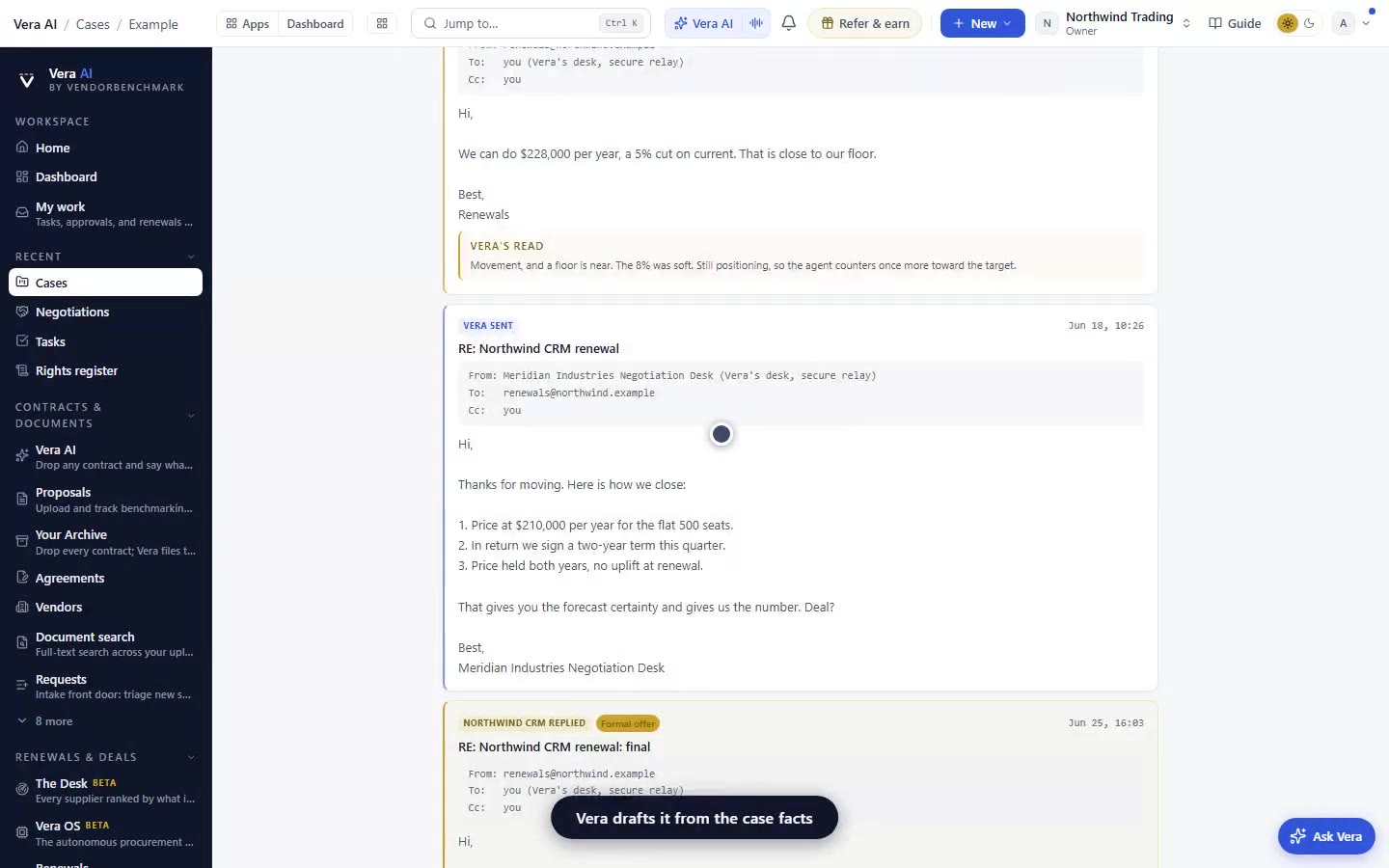
The playbook desk sequences all of it, and the working rhythm looks like this:
The honest close: Salesforce is usually deeply embedded in revenue operations, and the account team knows the switching story better than you will ever bluff it. That is fine, because this playbook never depends on pretending to leave. It depends on paying for exactly what is used, at a per-user net the market supports, on a calendar chosen deliberately. Those three are available to every customer, every cycle, and together they are worth more than any discount percentage the renewal quote will ever headline.
Fredrik has spent more than twenty years in enterprise software, with time at Oracle, IBM, SAP, and Salesforce before moving to the buy side. He structured and priced the kind of large agreements most buyers only see once or twice in a career, which taught him where the leverage sits and how far a vendor will actually move. He started VendorBenchmark to hand that knowledge to every sourcing team.
The week in enterprise software buying, in one email.
What shipped on the platform, and the pricing and licensing moves worth knowing before your next renewal. One email a week, to your work address. Unsubscribe any time.