The audit letter arrives: decode the notice, the do-not list, and the countdown.
A software audit letter is designed to land on a Friday and induce a costly reaction by Monday. The first move is not to reply. It is to understand exactly what you are holding. Drop the letter in and get the vendor, the real deadline, the scope, and the things not to do, before the panic sets the pace.
A software audit notice is a document with a job, and the job is to make you move fast and badly. It arrives unexpectedly, usually from a name you do not recognise, an audit entity acting for the vendor, with formal language, an implied deadline, and a request that sounds reasonable and is not. The instinct it is engineered to trigger is to reply quickly, to reassure, to start running scripts and gathering data to demonstrate good faith. Almost every one of those instincts helps the auditor and hurts you.
The correct first response to an audit letter is not a reply. It is comprehension. Before anyone drafts a word back, you need to know precisely what the letter says, what it actually demands versus what it merely implies, how long you really have, and above all what you must not do in the opening days. The audit letter decoder is built for that moment: drop the letter in, and get a calm, structured read of it before the clock the vendor started gets to set your pace.
Read the letter, separate demand from implication
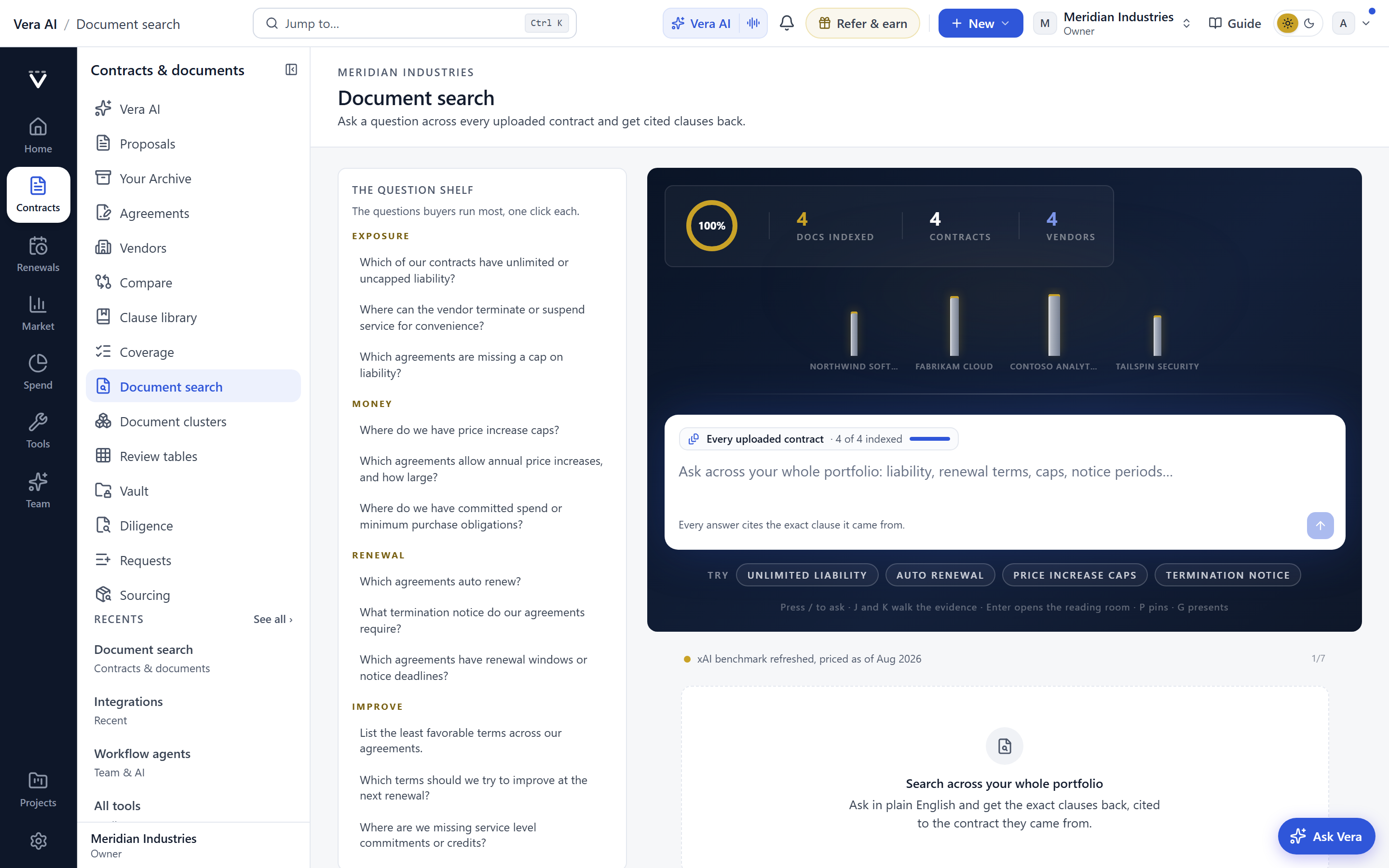
The decoder reads the letter itself, the actual PDF or scan, and extracts the things that matter: the vendor behind it, the audit entity acting for them, the type and aggression of the notice, the deadline as a real date alongside the exact wording it came from, and the scope. That last part is where audit letters do their quiet work. They blur what is contractually required with what is merely being asked for, so that a demand and a polite implication read the same on the page.
So the scope is broken apart deliberately. Each item is marked as demanded or implied, and as genuinely required or not required or unclear, because a request phrased as an obligation is the auditor's most reliable trick. Half of a good audit response is simply declining to volunteer what you were never actually obliged to provide, and you cannot decline what you have not first separated from what you truly owe.
The do-not list comes from a library, not a hunch
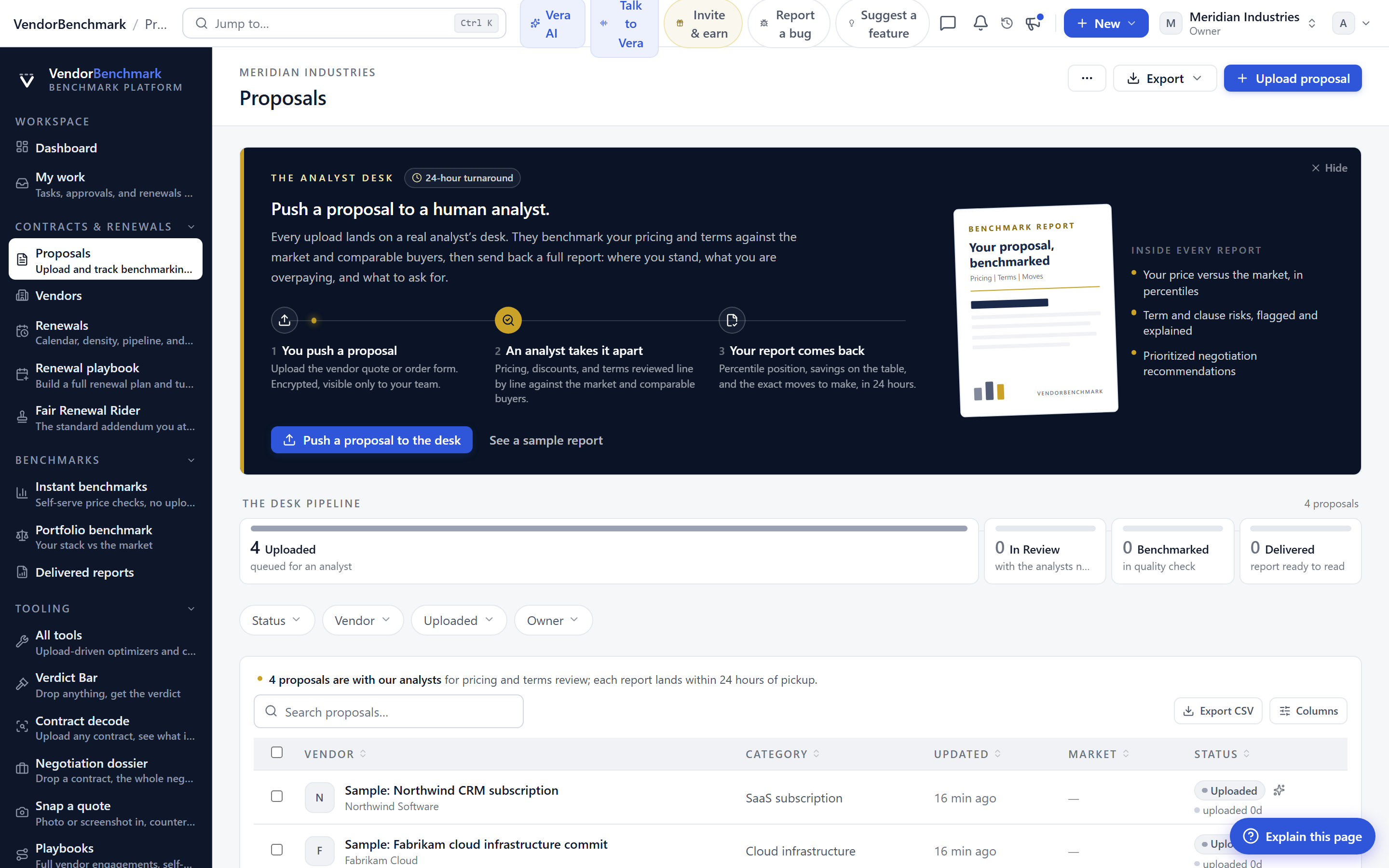
The most valuable part of the read is the list of things not to do, and it is also the part where a general purpose AI would be most dangerous. Advice on how to handle an Oracle audit versus an IBM one versus a Microsoft one is specific, learned, and occasionally the difference between a manageable settlement and a catastrophic one. A model improvising that advice on the fly is a liability. So the do-not list, the tactics to expect, and the notes on the audit entity do not come from the model at all. They come from a curated library, keyed to the vendor, written and maintained deliberately.
That distinction is the product's backbone. The model reads your specific letter, the aggression, the deadline, the scope, but the guidance about how this particular vendor behaves in an audit is pulled from vetted, vendor specific knowledge and embedded in the result. You get a read that is both about your exact letter and grounded in real experience of how the vendor on the header actually operates, rather than a plausible sounding paragraph a chatbot assembled.
Want to be updated when major licensing and pricing changes land? One analyst brief a week: the price rises, metric changes and audit campaigns that move software costs. Work email only.
A countdown in business days, and a calm tone
Deadlines in audit letters are meant to feel shorter than they are. So the countdown is measured in business days, not calendar days, because those are the days you can actually act in, and it changes tone as it tightens, a quiet signal when a real deadline is genuinely close rather than a permanent red alarm. The point is accuracy about urgency, not the manufactured urgency the letter itself is trading in.
The whole tool is deliberately calm. There is no countdown theatre, no language designed to spike your stress, because stress is exactly what the auditor is counting on and the last thing your response should run on. Once the letter is decoded, it hands off cleanly to the next step: linking the notice to the affected contracts in your estate, pulling your licence position, and drafting a defense plan grounded in what you actually hold. The panic moment gets a calm, structured entry point, which is the single most valuable thing you can bring to the first week of an audit.
What to know before you reply
A decoder, not your counsel
The decoder reads the letter and structures the response, but a serious audit is a legal matter, and nothing here replaces your own counsel or a licensing specialist on a genuinely aggressive claim. It extracts what the letter says and grounds the guidance in curated experience, but the decisions about how to respond, what to concede, and when to escalate are yours to make with the right people.
What it removes is the worst version of the first move: the fast, fearful reply that hands the auditor an advantage before you understood what they asked. By turning the panic moment into a calm, structured read, grounded in real vendor knowledge and honest about your real deadline, it buys you the one thing an audit letter is designed to deny you, which is the time to think before you answer.
Fredrik has spent more than twenty years in enterprise software, with time at Oracle, IBM, SAP, and Salesforce before moving to the buy side. He structured and priced the kind of large agreements most buyers only see once or twice in a career, which taught him where the leverage sits and how far a vendor will actually move. He started VendorBenchmark to hand that knowledge to every sourcing team.
The week in enterprise software buying, in one email.
What shipped on the platform, and the pricing and licensing moves worth knowing before your next renewal. One email a week, to your work address. Unsubscribe any time.