Buying AI software: new metrics, new traps, same discipline.
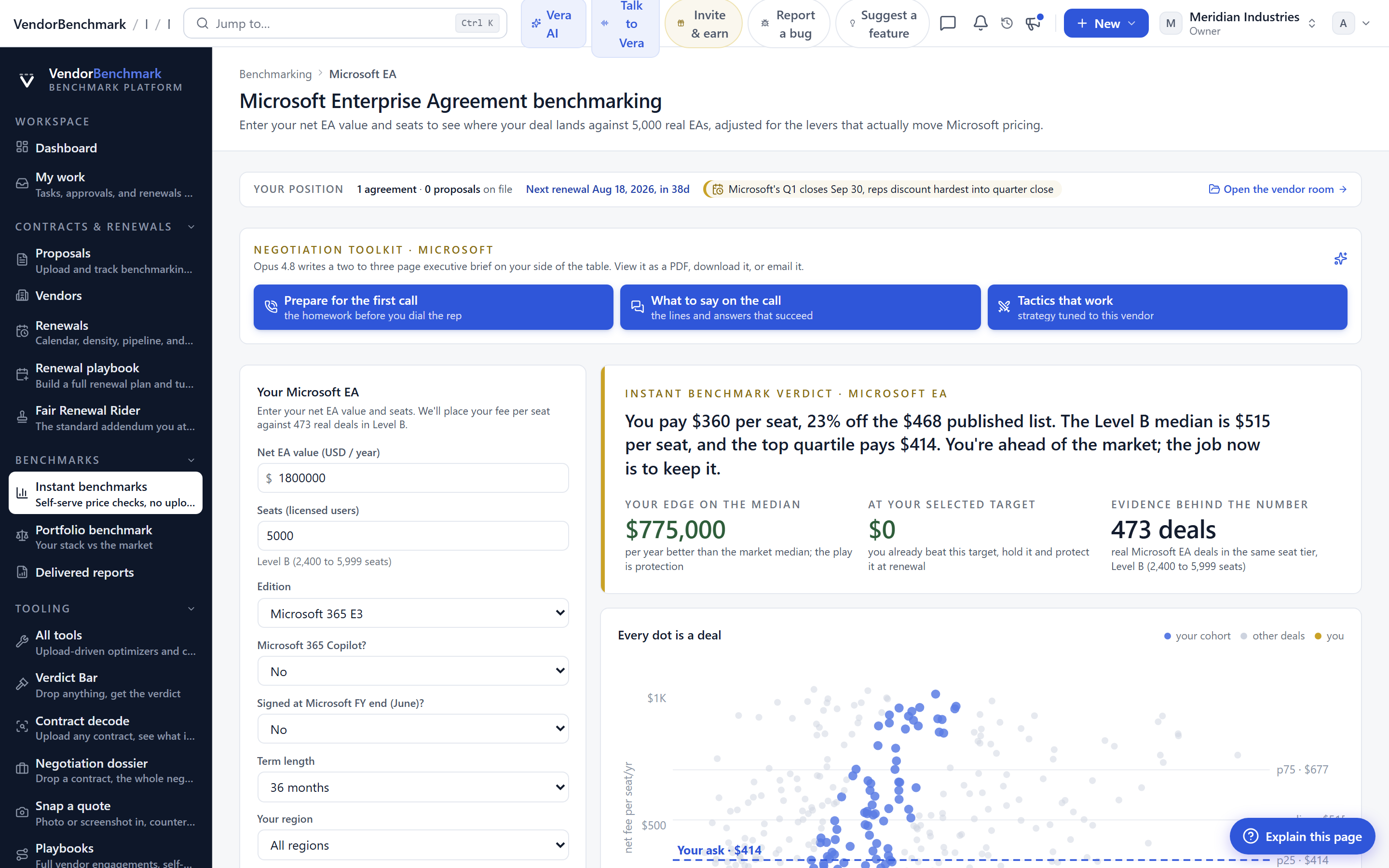
AI vendors price on a growth story: commit big now, because your usage will only climb. The units are new, tokens and consumption and per seat copilots, but the discipline is old. Size the commit from your own usage, not their forecast, and pull the levers before you sign.
AI has become a line item, and it is one most procurement teams are buying for the first time. The familiar anchors are gone. There is no per seat list price to benchmark, no comfortable annual subscription, just tokens, consumption, and copilots priced per user, wrapped in a sales pitch about exponential adoption. The vendor's core argument is always the same: commit to a large number now, because your usage is only going to climb, and the bigger the commit the better the rate.
The units are genuinely new. The traps underneath them are not. A consumption commit sized to a growth forecast is the same overbuy your predecessors made on unlimited license bundles, wearing a more modern outfit. Buying AI well is not about mastering exotic new metrics. It is about applying the oldest discipline in procurement, size to reality and price to the market, to a product that is very good at discouraging both.
Size the commit from your usage, not their forecast
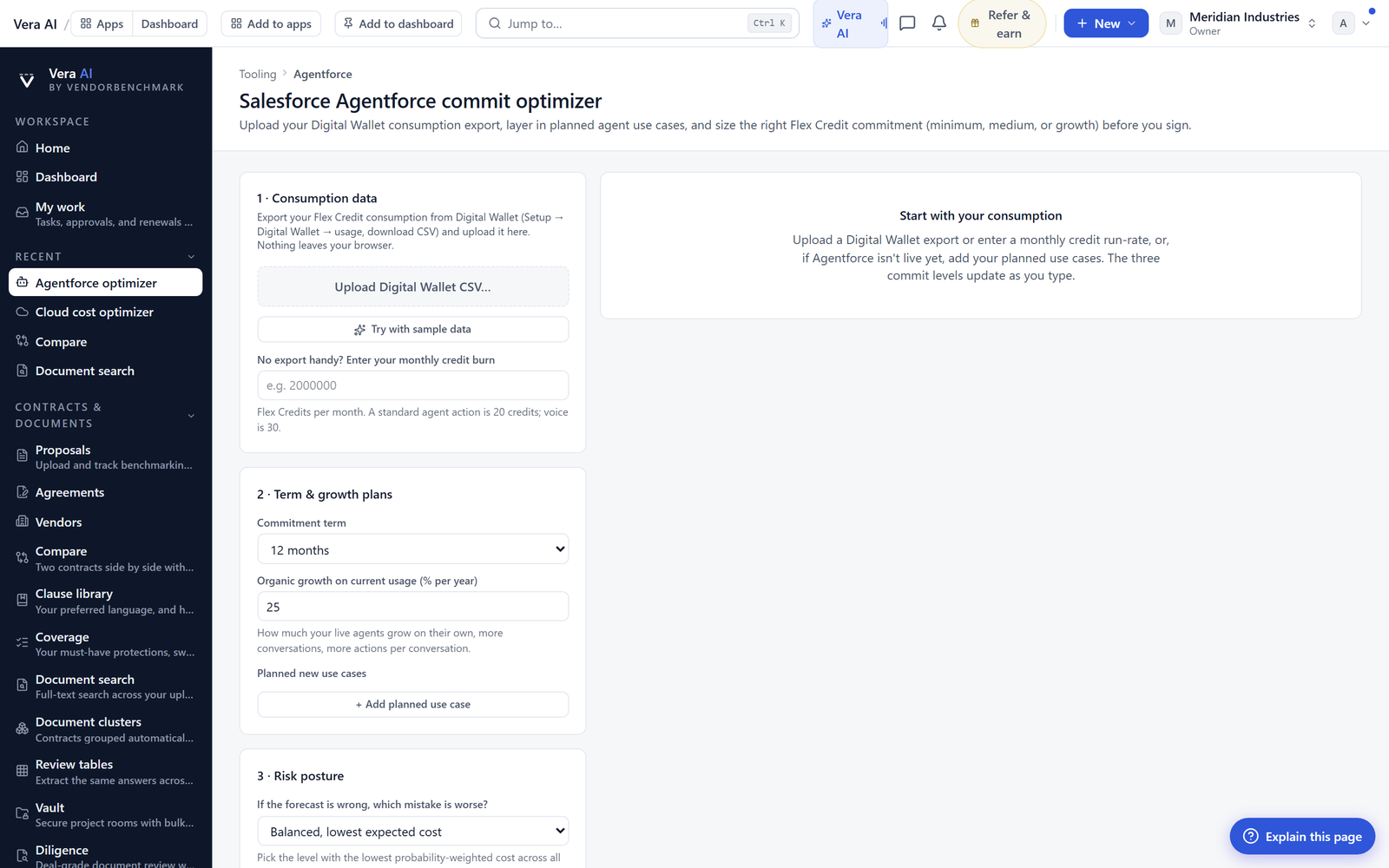
The central move in any AI purchase is refusing to size the commit from the vendor's growth story. A consumption commit is a bet, and the vendor writes the odds in their own favor by projecting your usage upward and pricing the discount to a number you may never reach. Overshoot the commit and you have prepaid for capacity you will forfeit. The honest input is not their forecast. It is your own usage, measured.
That is what the optimizer tools do first. Feed in what you actually consume, tokens by model, seats by real adoption, and the commit gets sized against your measured demand and a set of realistic bands rather than an aspirational curve. The discount for committing is real and worth having. It is only worth having on a number you will actually use, and the only way to know that number is to start from your own meter.
The levers that move the bill before you negotiate
AI pricing hides a set of levers that change the bill without touching the rate, and pulling them before you commit is often worth more than the discount you negotiate. The first is the model mix. Not every task needs the most capable, most expensive model, and a workload routed to a right sized tier for the easy work and reserved for the hard work can cost a fraction of running everything at the top. Sizing the mix to the job is the single largest lever in most AI bills.
The others are structural. Caching repeated context and batching non urgent work both cut the effective price of the same output, sometimes sharply, and they are levers you control rather than concessions you have to win. The discipline is to model these before you size the commit, because a commit sized to your unoptimized usage is a commit sized to a number you could have made smaller for free.
Want to be updated when major licensing and pricing changes land? One analyst brief a week: the price rises, metric changes and audit campaigns that move software costs. Work email only.
The consumption cliff, and reading the meter
The trap unique to consumption pricing is the cliff. Usage that grows past the commit does not just cost more, it often costs more per unit, at on demand rates that erase the discount the commit was supposed to buy. So the commit has to be sized in a band, high enough to earn the rate, low enough that realistic growth does not tip you off the edge into penalty pricing. Both errors cost money, and the vendor's forecast reliably points you toward the expensive one.
This is why measurement is not optional with AI. A per seat tool at least has a countable number of seats. Consumption has a meter that only your own telemetry can read honestly, and a commitment set without reading it is a guess the vendor is happy to price. The teams that buy AI well are the ones that treat their own usage data as the negotiation's most important document.
Buying AI without the overbuy
New units, old judgment
The optimizers model your usage and the levers, and the benchmarks place the rate against comparable deals, but AI pricing moves fast and the model that is expensive today may be the bargain next quarter. A commit is still a forecast, and no tool removes the judgment about how fast your own adoption will really grow.
What does not move is the discipline. Size to reality, price to the market, and pull the free levers before you pay for anything. AI software dresses that up in tokens and consumption curves and a compelling story about the future, but underneath it is the same negotiation buyers have always run. The buyers who do well are the ones who recognise an old trap in new units, and read their own meter before they read the vendor's forecast.
Fredrik has spent more than twenty years in enterprise software, with time at Oracle, IBM, SAP, and Salesforce before moving to the buy side. He structured and priced the kind of large agreements most buyers only see once or twice in a career, which taught him where the leverage sits and how far a vendor will actually move. He started VendorBenchmark to hand that knowledge to every sourcing team.
The week in enterprise software buying, in one email.
What shipped on the platform, and the pricing and licensing moves worth knowing before your next renewal. One email a week, to your work address. Unsubscribe any time.