Copilot at renewal: pricing Microsoft's AI add-on with usage evidence.
Every Microsoft renewal now arrives with a Copilot push, and it is priced per seat on top of everything else. Sometimes it is transformative, often it is expensive shelfware for people who tried it twice. The answer is not a yes or a no. It is a pilot, and the usage evidence to decide seat by seat.
The Microsoft Enterprise Agreement renewal has a new centerpiece, and it is Copilot. The AI assistant is presented as the obvious next step, priced per user on top of your existing licensing, and pushed with a confidence that suggests declining it would be leaving the future on the table. For some organizations that confidence is warranted, and Copilot genuinely changes how people work. For many others it becomes one of the most expensive underused line items in the estate, a per-seat charge on thousands of people who tried it, found it occasionally useful, and mostly forgot it was there.
The reason both outcomes are common is that Copilot's value is highly uneven across roles and individuals, and the per-seat pricing does not care. A knowledge worker who lives in documents and email may get real value; a worker whose job is not built around the applications Copilot enhances may get almost none. Buying it uniformly, on enthusiasm, guarantees you overpay for the second group to equip the first. The disciplined answer is neither the reflexive yes the vendor wants nor a blanket no, but a decision made per seat, on evidence.
Pilot before you commit the estate
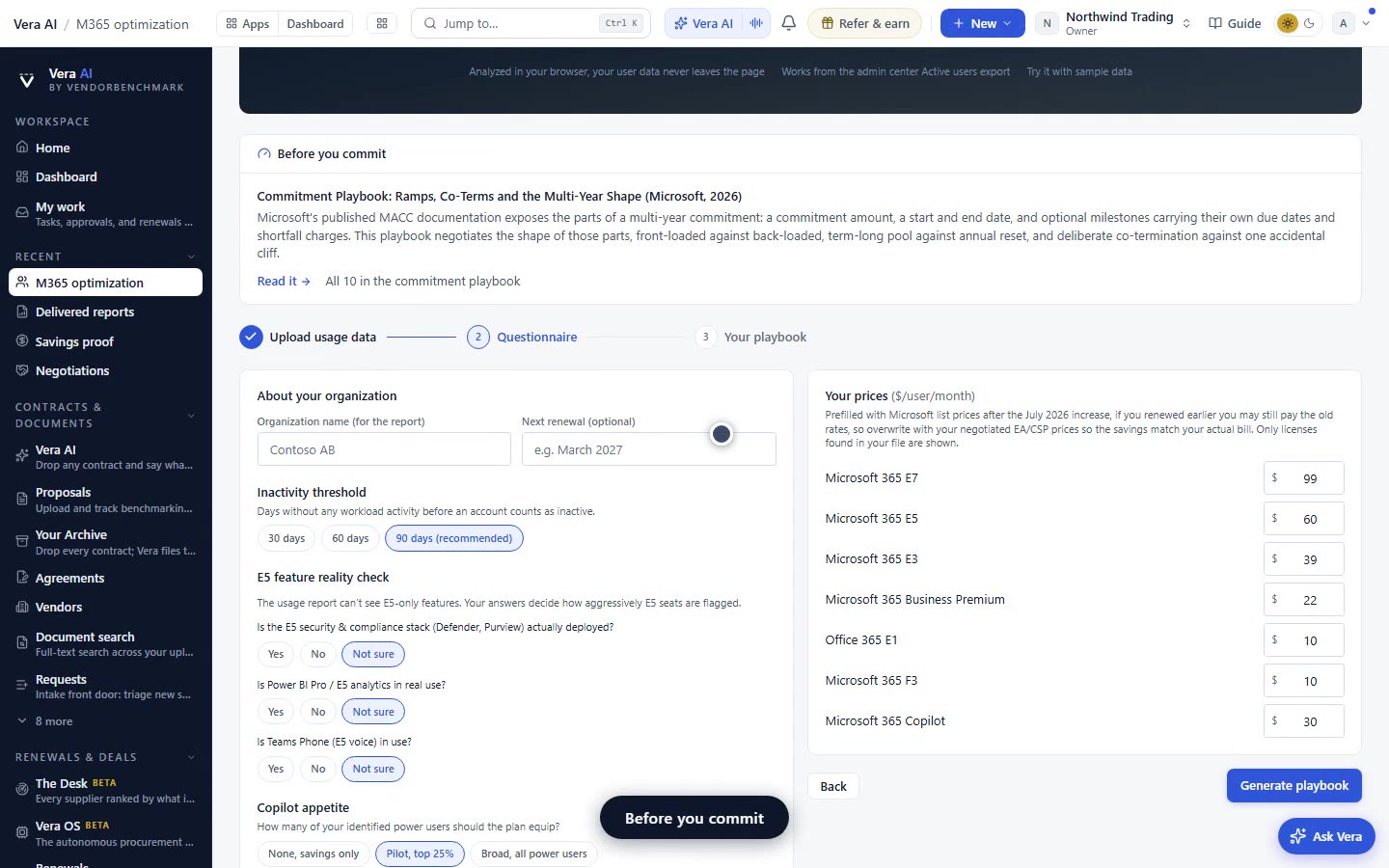
The single most valuable thing you can bring to the Copilot conversation is a real pilot. Not the vendor's case studies, not the analyst reports, but your own people using it on your own work, with adoption measured. A pilot tells you the thing no projection can: which roles in your organization actually use Copilot enough to justify its per-seat cost, and which try it and drift away. That distribution, real adoption by role and individual, is the entire basis for a sensible purchase, and it is knowable only by watching your own usage rather than the vendor's.
A pilot also reframes the negotiation from a leap of faith to an evidence-based decision. Instead of committing your whole estate to an unproven per-seat cost, you commit a measured cohort, learn where the value concentrates, and then size the real purchase to the seats where the evidence supports it. The vendor prefers the leap because it sells the most seats; the pilot is how you convert an all-or-nothing push into a right-sized rollout, and right-sizing is where the money is with any per-seat AI add-on.
The per-seat math, and where it earns its keep
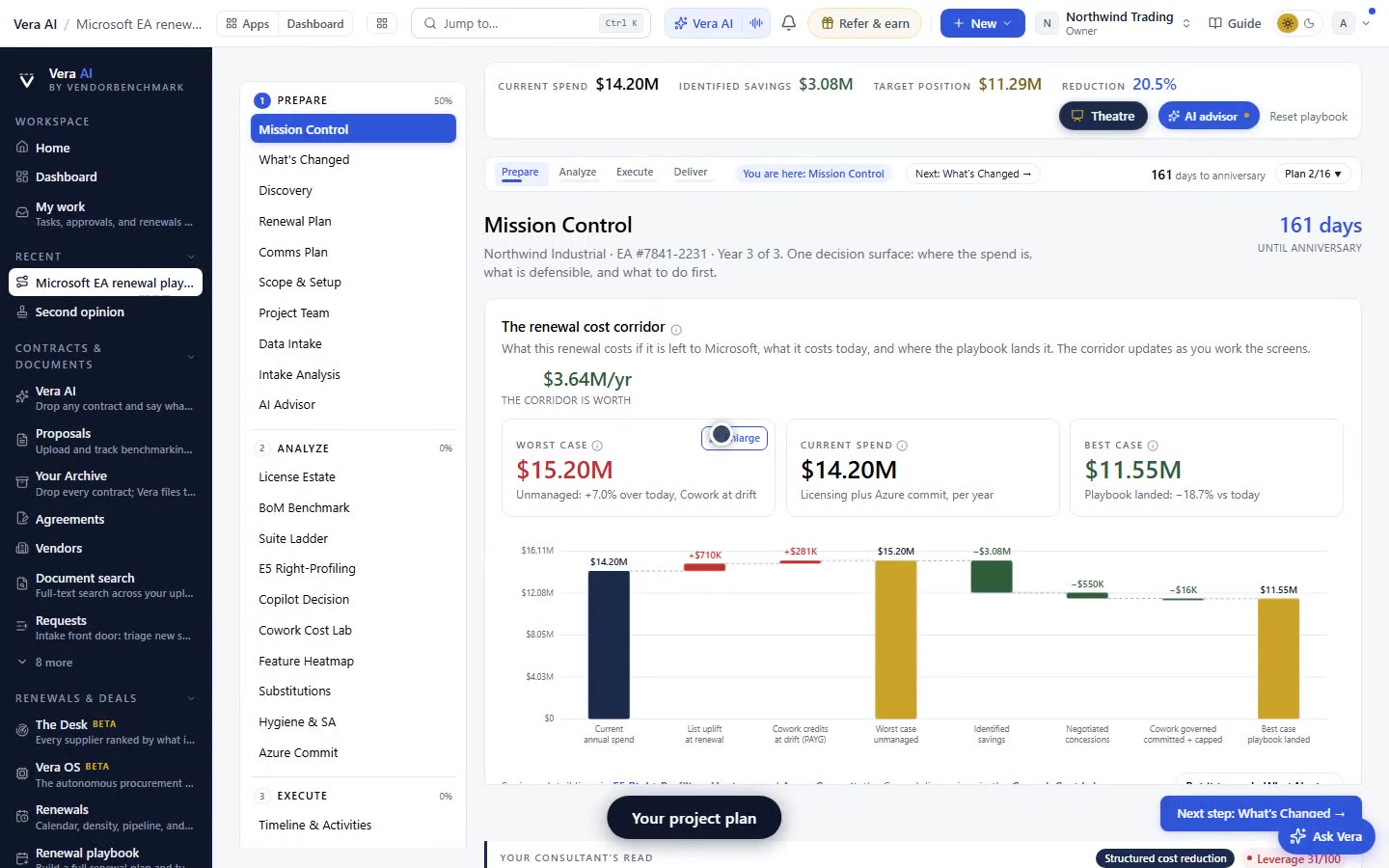
Copilot is expensive precisely because it is per seat and additive, so the arithmetic of who gets it dominates the decision. A modest per-user cost multiplied across thousands of seats is a large annual number, and the difference between deploying it to the third of your workforce who use it and deploying it to everyone is enormous. The right question is never "should we buy Copilot," which invites a yes or no on the whole estate, but "for which seats does the value clearly exceed the per-seat cost," which invites a profile, and a profile is a far smaller, far more defensible purchase.
This mirrors the discipline that works everywhere in Microsoft licensing: the money is in the composition, not the headline. Just as all-apps licences sit on people who use one, Copilot seats sit on people who barely touch it, and the fix is the same, match the entitlement to the evidence of use. A Copilot deployment sized to the roles where adoption is real is both cheaper and more defensible than a blanket one, and it leaves you room to expand later as adoption grows, which is a far better position than trying to claw back seats you over-bought on enthusiasm.
Want to be updated when major licensing and pricing changes land? One analyst brief a week: the price rises, metric changes and audit campaigns that move software costs. Work email only.
Fold it into the whole EA, on your terms
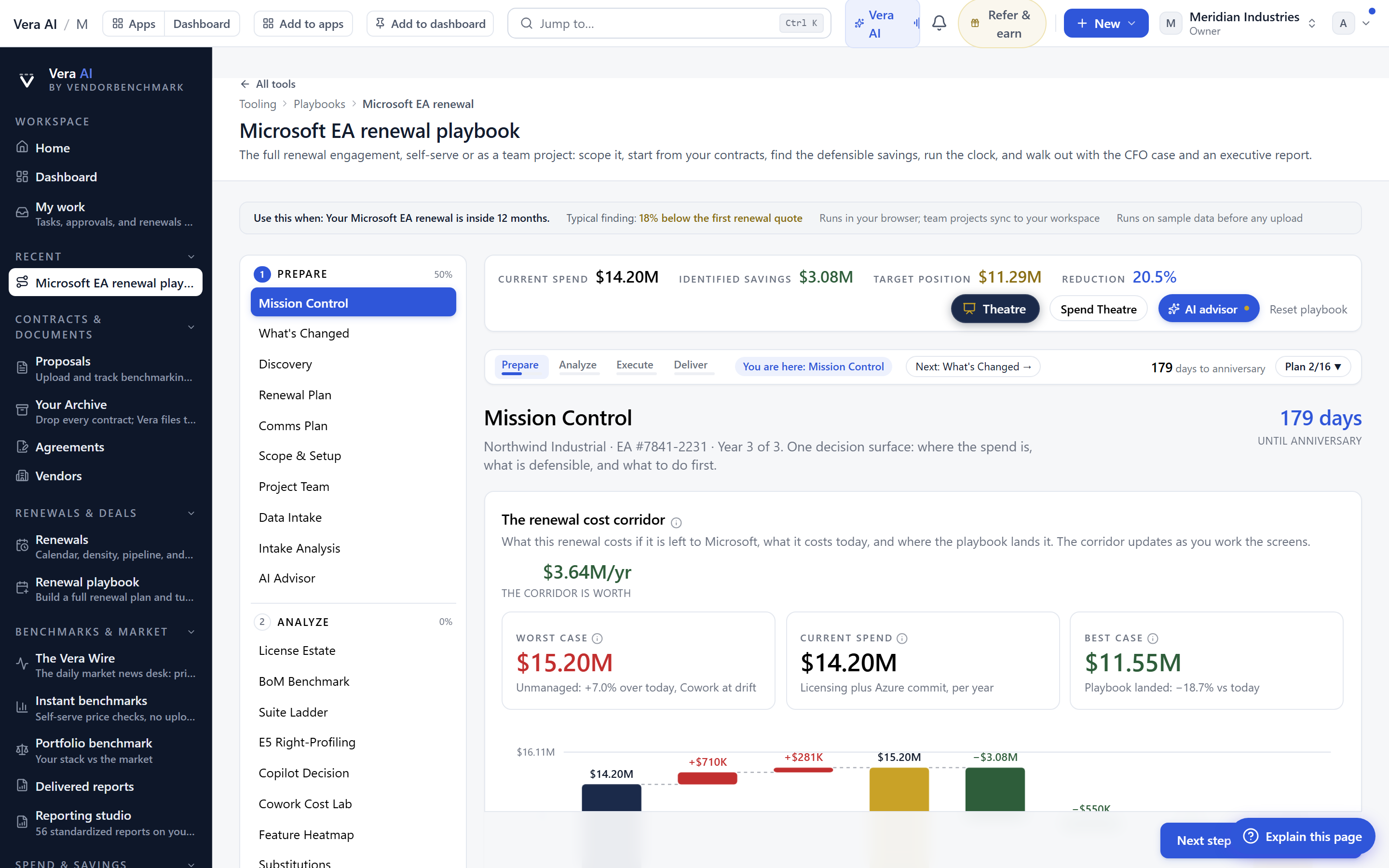
Copilot does not arrive in isolation; it arrives inside the broader Enterprise Agreement renewal, alongside the E5 push and the uplift, and it should be negotiated as part of that whole rather than as a standalone yes. The EA renewal is a year-long project with real leverage, and the AI add-on is one lever within it. A buyer preparing the renewal properly can trade across the elements, using scope, timing, and the size of the overall commitment to shape the Copilot terms, rather than accepting the add-on at list on top of everything else.
The timing matters as much as the sizing. Microsoft has strong incentives to show Copilot adoption, which is leverage for a buyer willing to commit at the right moment, on the right seats, in exchange for better terms. Preparing the Copilot decision alongside the rest of the EA, with pilot evidence in hand and the per-seat profile decided, means you negotiate the AI add-on from a position of knowing exactly what it is worth to you, rather than from the vendor's position that it is worth having for everyone. The add-on becomes a negotiated component of a larger deal, priced on your evidence.
Copilot without the shelfware
Sometimes broad Copilot is right
For some organizations, Copilot is genuinely worth deploying broadly, and the pilot may show adoption strong enough across roles to justify wide rollout. This is not an argument against Copilot; it is an argument for letting your own usage evidence, rather than the vendor's enthusiasm, decide how broadly to deploy it. If the evidence supports the estate, buy it for the estate, with the confidence that comes from having actually measured it.
What the discipline removes is the reflexive, blanket purchase that the per-seat push is designed to produce. Copilot bought for everyone on a wave of AI enthusiasm is how a large recurring line item becomes shelfware for the majority who pay for it. Piloted, profiled, and negotiated inside the EA, it becomes a right-sized investment in the people who will actually use it, which is both cheaper and, for the seats that keep it, more clearly worth every per-seat dollar.
Fredrik has spent more than twenty years in enterprise software, with time at Oracle, IBM, SAP, and Salesforce before moving to the buy side. He structured and priced the kind of large agreements most buyers only see once or twice in a career, which taught him where the leverage sits and how far a vendor will actually move. He started VendorBenchmark to hand that knowledge to every sourcing team.
The week in enterprise software buying, in one email.
What shipped on the platform, and the pricing and licensing moves worth knowing before your next renewal. One email a week, to your work address. Unsubscribe any time.