Post-mortems that compound: what your last deal teaches your next one.
A deal closes, everyone exhales, and the hardest-won knowledge of the whole negotiation evaporates within a week. What the vendor conceded and when, what worked, what you left on the table, all of it gone by the next renewal. A structured post-mortem is how that knowledge compounds instead.
The moment a deal closes is the moment its lessons begin to disappear. In the days after signing, the negotiator still knows everything: which of the vendor's positions were firm and which were theatre, what the concession really cost them, which argument moved the number and which fell flat, how close to the walk-away it actually got. A week later, memory has softened it. A quarter later, it is a vague sense that the deal went "okay." By the next renewal, three years on, it is gone entirely, and the team negotiates the same vendor from scratch, relearning at full price what it already knew once.
This is the quiet inefficiency at the heart of procurement: it does not compound. Every other discipline gets better because it learns from its own history, but a negotiation function that loses the specifics of each deal the moment it closes is doomed to repeat its mistakes and forget its wins. A structured post-mortem is the fix, not a vague retrospective but a deliberate capture of what actually happened, filed where the next negotiation will find it, so that the hardest-won knowledge of each deal becomes an asset the next one starts from rather than a memory that fades.
Capture the deal while it is still warm
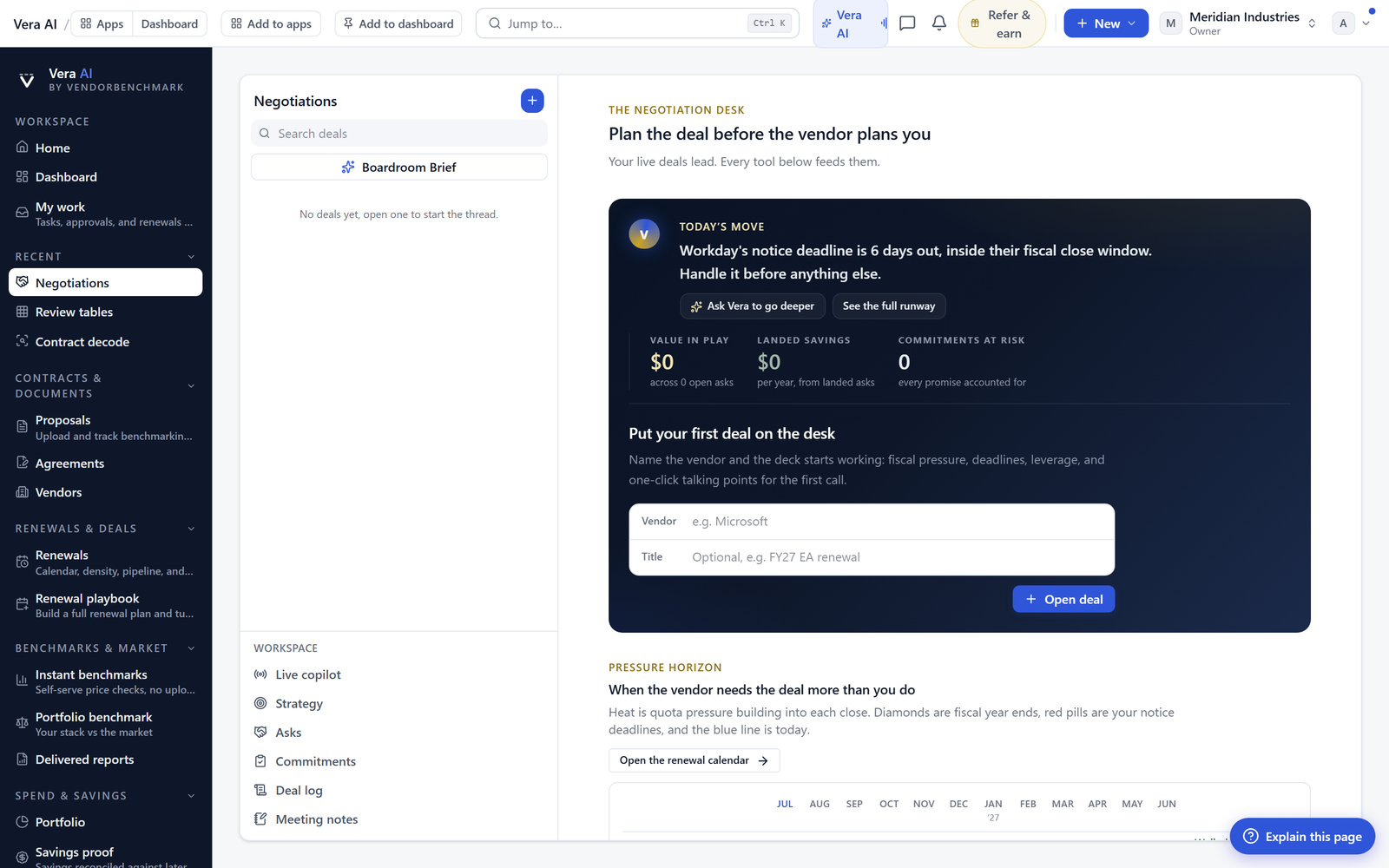
The value of a post-mortem depends entirely on capturing it while the detail is fresh, which means the discipline is to debrief in the days after signing, not months later. The things worth capturing are specific: where the vendor opened and where they landed, which concessions came easily and which took real pressure, what the effective discount actually was against a real reference rather than the vendor's inflated list, what you asked for and did not get, and, honestly, what you think you left on the table. A good debrief records the outcome and the shape of how you got there, because the shape is what teaches the next negotiator how this vendor behaves.
This capture works best when it feeds a shared record rather than a personal note, because the knowledge belongs to the organization, not the individual who happened to run the deal. A debrief filed into the organization's memory becomes available to whoever negotiates that vendor next, even if that is a different person years later. The point is not to write a report nobody reads; it is to leave, in a place the next deal will look, a clear account of what this vendor conceded, under what pressure, so the next negotiation starts informed rather than blind.
Learn from the losses, not just the wins
The instinct after a deal is to record the wins, but the losses teach more, and an honest post-mortem has to capture both. The concession you failed to win, the argument that did not land, the moment you accepted a term you later regretted, these are the expensive lessons, and burying them to protect the deal's reputation guarantees they repeat. A culture that treats a post-mortem as a blameless learning exercise, focused on what the deal taught rather than who to blame, gets honest debriefs; one that treats it as a performance review gets sanitized ones that teach nothing.
The most useful thing a debrief can record is often the gap between what you got and what you now believe was achievable. A deal that felt like a win at signing may, with the benefit of a benchmark and a little distance, reveal that the vendor had more room than you pushed for. Capturing that honestly, "we landed here, but the market suggests we could have reached there," is precisely the lesson that makes the next negotiation with that vendor sharper. The wins tell you what works; the honest accounting of the losses and the near-misses tells you where you are still leaving money, which is where the improvement lives.
Want to be updated when major licensing and pricing changes land? One analyst brief a week: the price rises, metric changes and audit campaigns that move software costs. Work email only.
The loop that makes the desk smarter
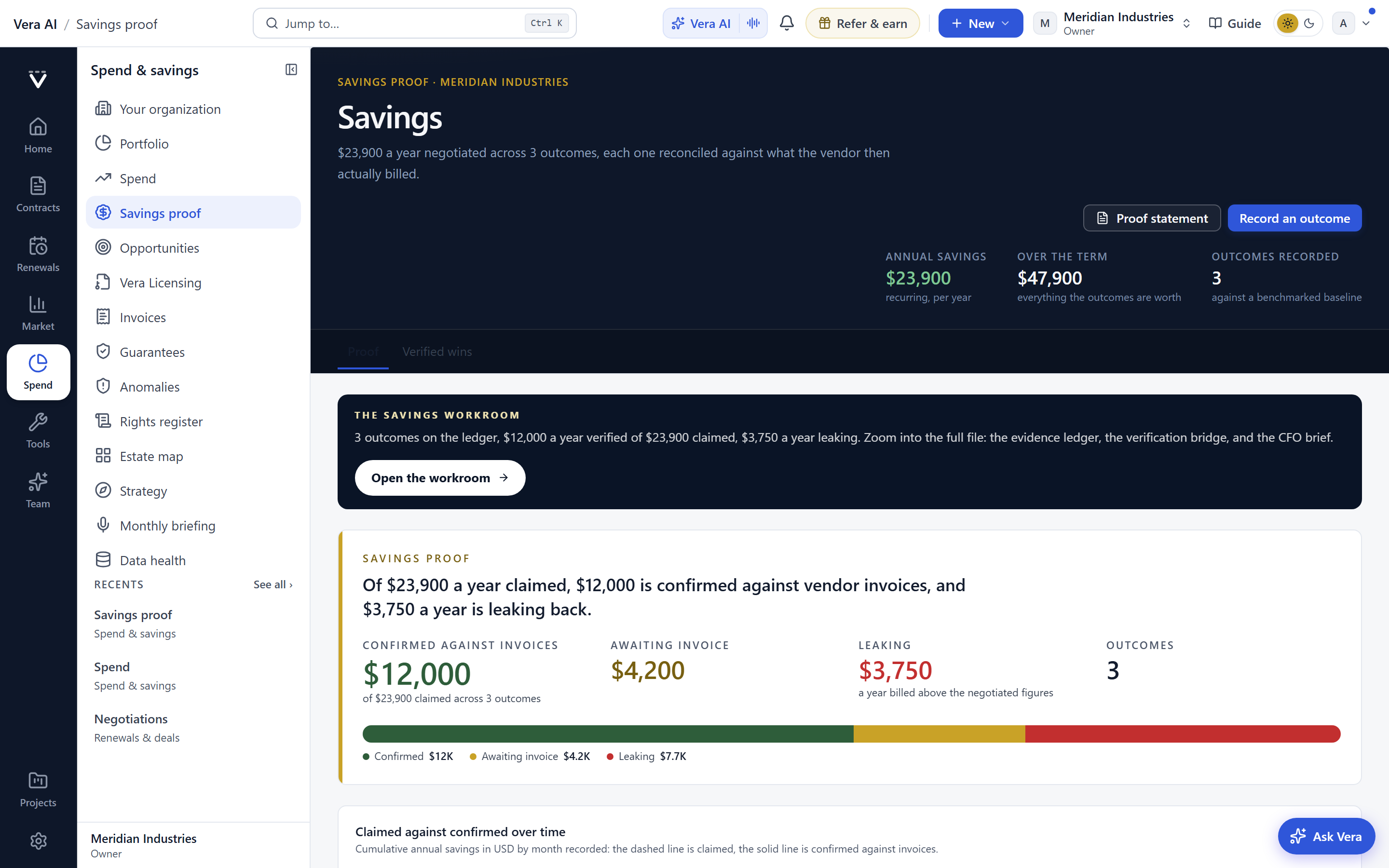
A post-mortem only compounds if it flows back into the work, and this is where captured deals stop being a filing cabinet and become a learning loop. The knowledge from past debriefs, how this vendor negotiates, what they conceded last time, the reductions you have actually achieved, feeds into how the next negotiation is prepared and how the platform reasons for you. Over many deals, the organization builds a picture not just of the market but of its own record against each vendor, and that picture makes every subsequent negotiation with that vendor start from a position of real, specific memory rather than a blank page.
This loop also surfaces patterns no single deal could show. Across enough post-mortems, the shape of how a particular vendor negotiates becomes visible, they always hold firm on this term and always fold on that one near quarter-end, and that pattern is worth more than any individual deal's memory. The debrief of one negotiation is a lesson; the accumulated debriefs of many are an edge, a body of hard evidence about how each vendor behaves and how your own team performs, which is exactly the institutional advantage that a function which forgets its deals can never build.
Turning a closed deal into an asset
A record informs judgment, it does not replace it
A post-mortem captures what happened; it does not guarantee the next deal repeats it, because vendors change tactics, account teams turn over, and markets move. A pattern from past debriefs is a strong prior, not a certainty, and a negotiator who follows an old playbook blindly against a vendor who has changed their approach will be caught out. The captured knowledge sharpens judgment; it does not substitute for reading the specific deal in front of you.
What the discipline removes is the waste of learning nothing. A function that closes deals and forgets them pays full price for the same lessons over and over, relearning each vendor's behavior at every renewal. A function that debriefs honestly and feeds the knowledge forward compounds, getting a little sharper against each vendor with every cycle, until the accumulated memory of how everyone negotiates becomes an edge no amount of market data alone could provide. The deal is over the moment it closes; the lesson only pays off if you keep it.
Fredrik has spent more than twenty years in enterprise software, with time at Oracle, IBM, SAP, and Salesforce before moving to the buy side. He structured and priced the kind of large agreements most buyers only see once or twice in a career, which taught him where the leverage sits and how far a vendor will actually move. He started VendorBenchmark to hand that knowledge to every sourcing team.
The week in enterprise software buying, in one email.
What shipped on the platform, and the pricing and licensing moves worth knowing before your next renewal. One email a week, to your work address. Unsubscribe any time.