Discount off list is a trap: the number that actually matters is net unit price.
A seventy percent discount sounds like a win and can be a worse deal than a forty percent one. The discount is measured off a list price the vendor controls, so they can inflate the list and hand you a bigger percentage on a higher number. Benchmark the net unit price instead, the only figure they cannot fake.
The discount percentage is the most quoted number in enterprise software and one of the most misleading. A rep announces sixty percent off, an executive hears a great deal, and the negotiation anchors on protecting or improving that headline. The trouble is that a discount is a percentage of the list price, and the list price is a number the vendor sets, unilaterally, with no obligation to keep it connected to reality. Give a vendor control of the denominator and the percentage tells you almost nothing about whether you got a good deal.
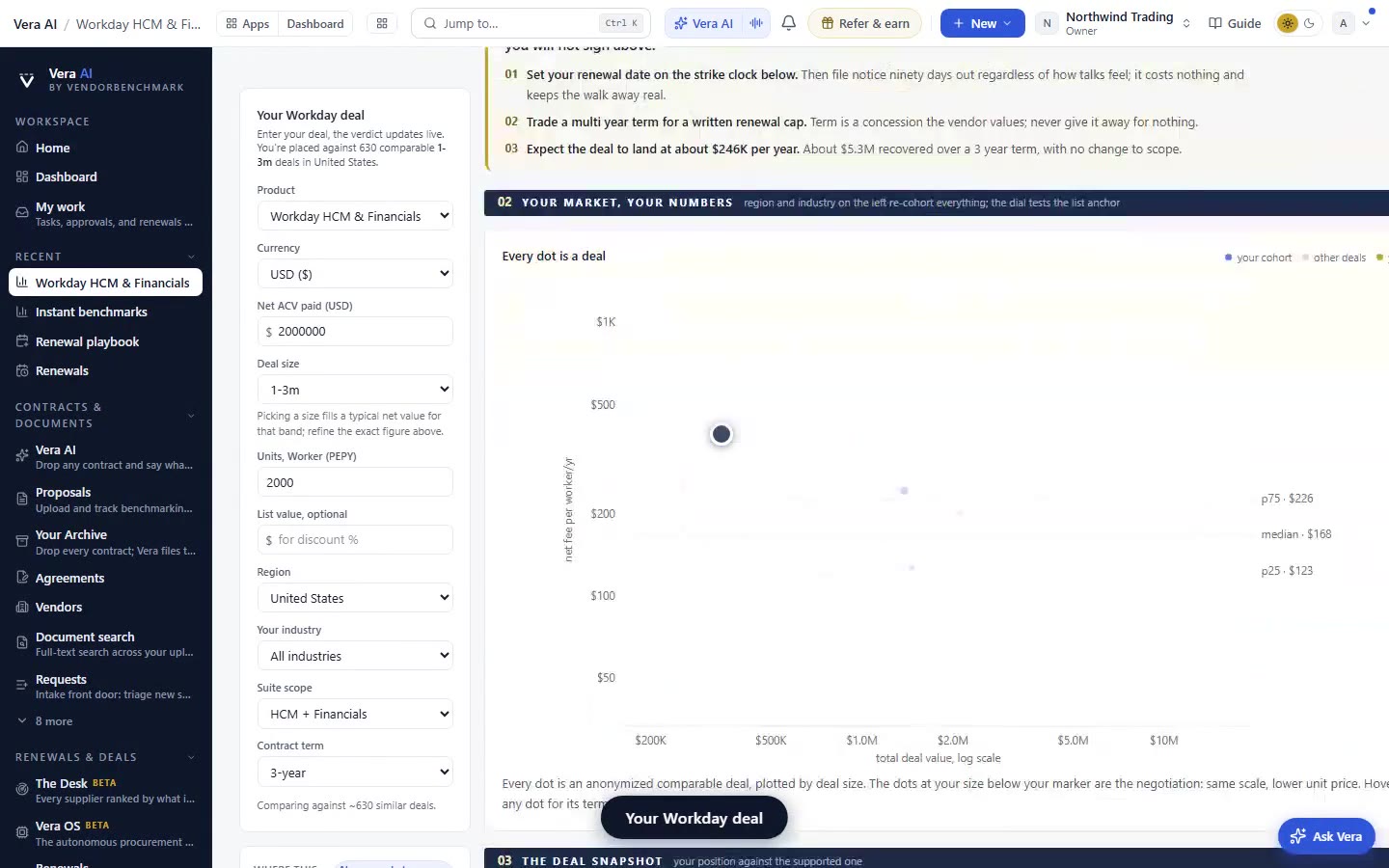
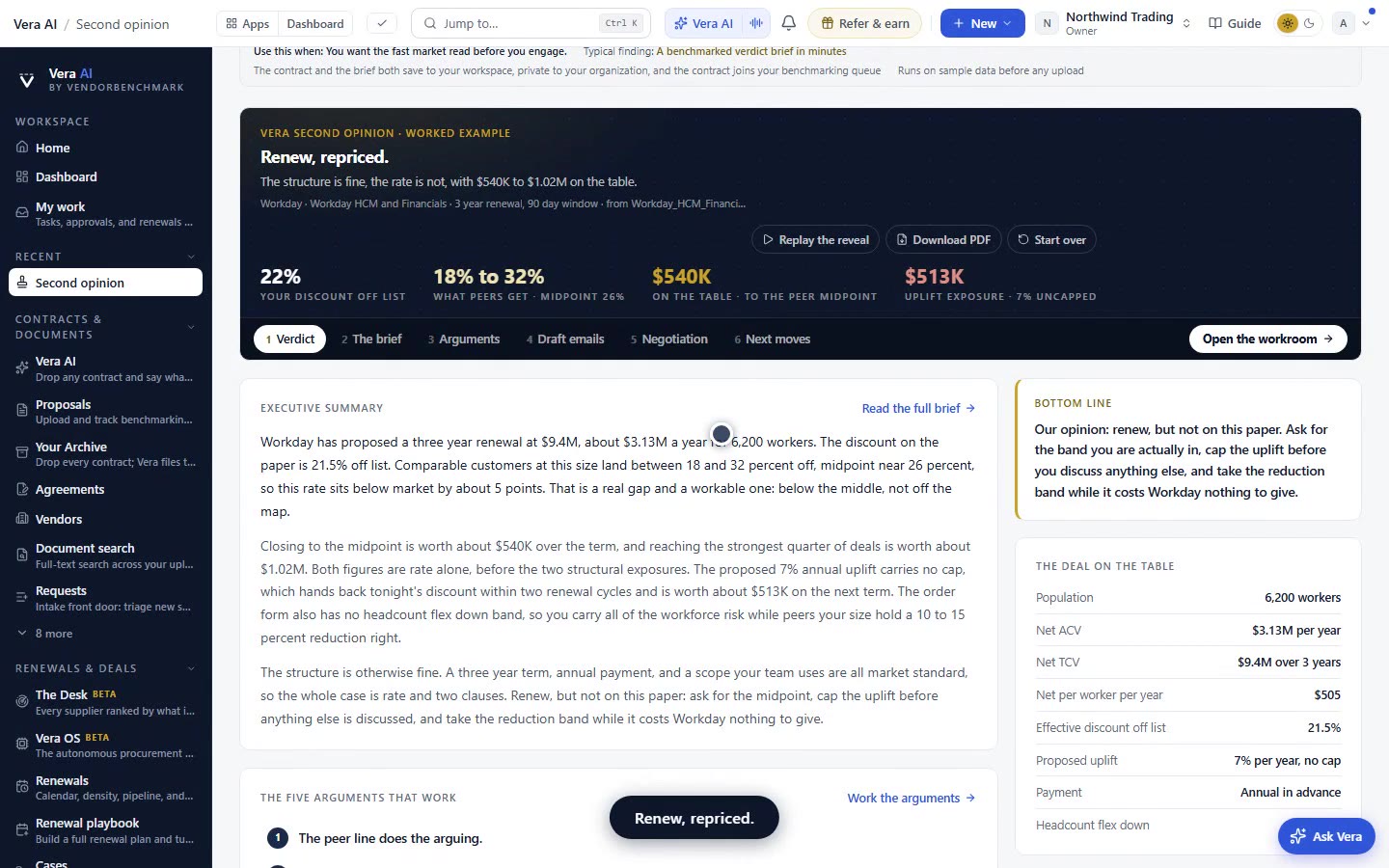
The trap is simple and common: inflate the list, then discount deeply off the inflated number. A vendor can quote you a seventy percent discount that lands you at a higher net price than a competitor's forty percent discount off an honest list. You feel like you won because the percentage was bigger, and you paid more. The only defense is to stop negotiating the discount and start benchmarking the one number the vendor cannot manufacture, which is what you actually pay per unit.
The denominator the vendor controls
Understanding why discount off list fails means seeing who owns each part of the calculation. The net price, what you pay, is real and yours. The list price, what you are notionally paying off, is the vendor's invention, and there is no market regulator of list prices. Some vendors keep their list roughly honest; others treat it as a marketing device, inflated precisely so that the discount off it looks generous. Because the buyer usually anchors on the discount, the incentive runs entirely toward a higher list and a bigger headline percentage.
This is why two deals with wildly different discounts can land at the same net price, and why the deal with the smaller discount is sometimes the better one. A forty percent discount off a disciplined list can beat a seventy percent discount off a padded one. The discount percentage is not just an incomplete measure, it is an actively manipulable one, and treating it as the score is how buyers get talked into paying more while believing they negotiated well.
Benchmark the net, and read it correctly
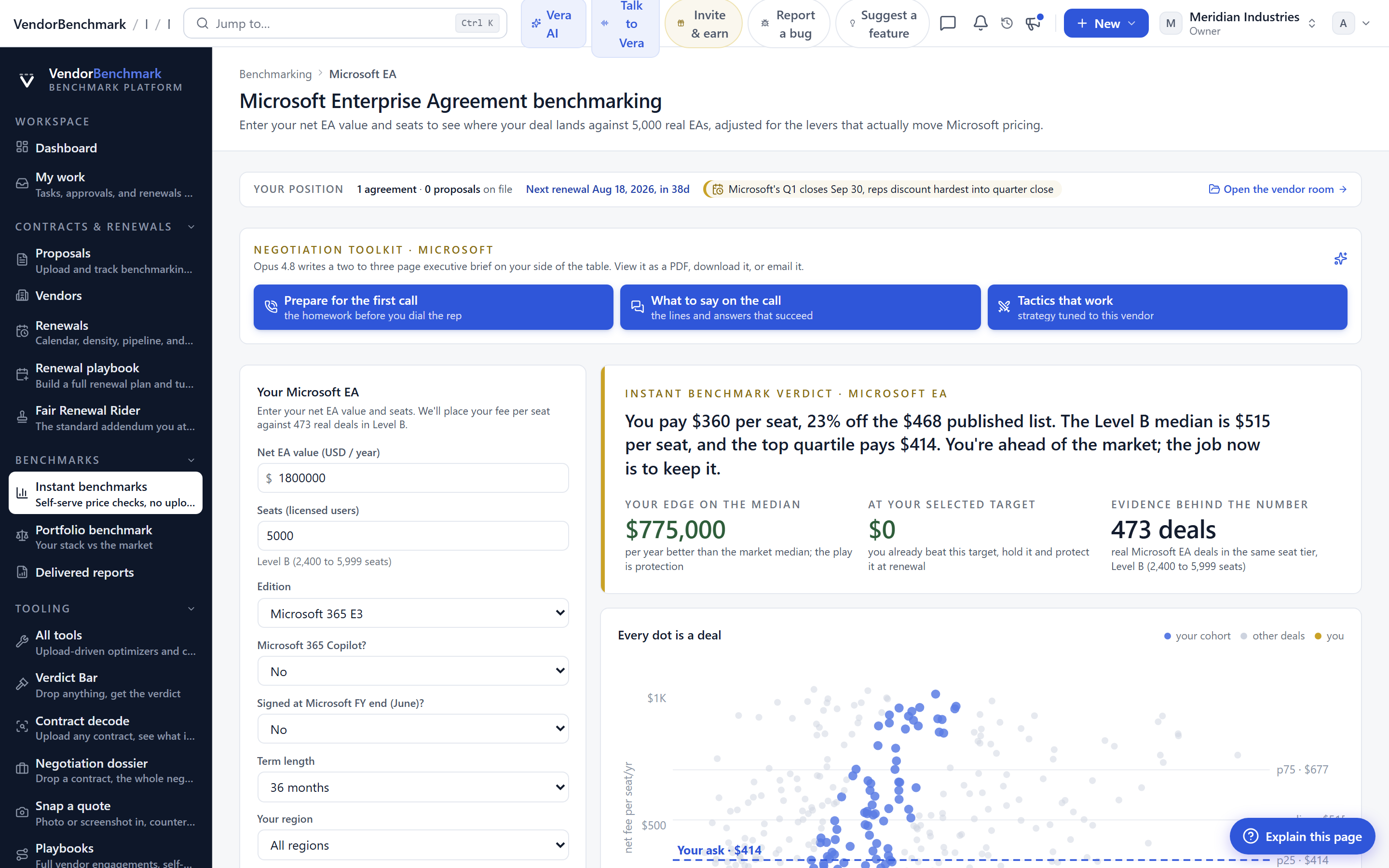
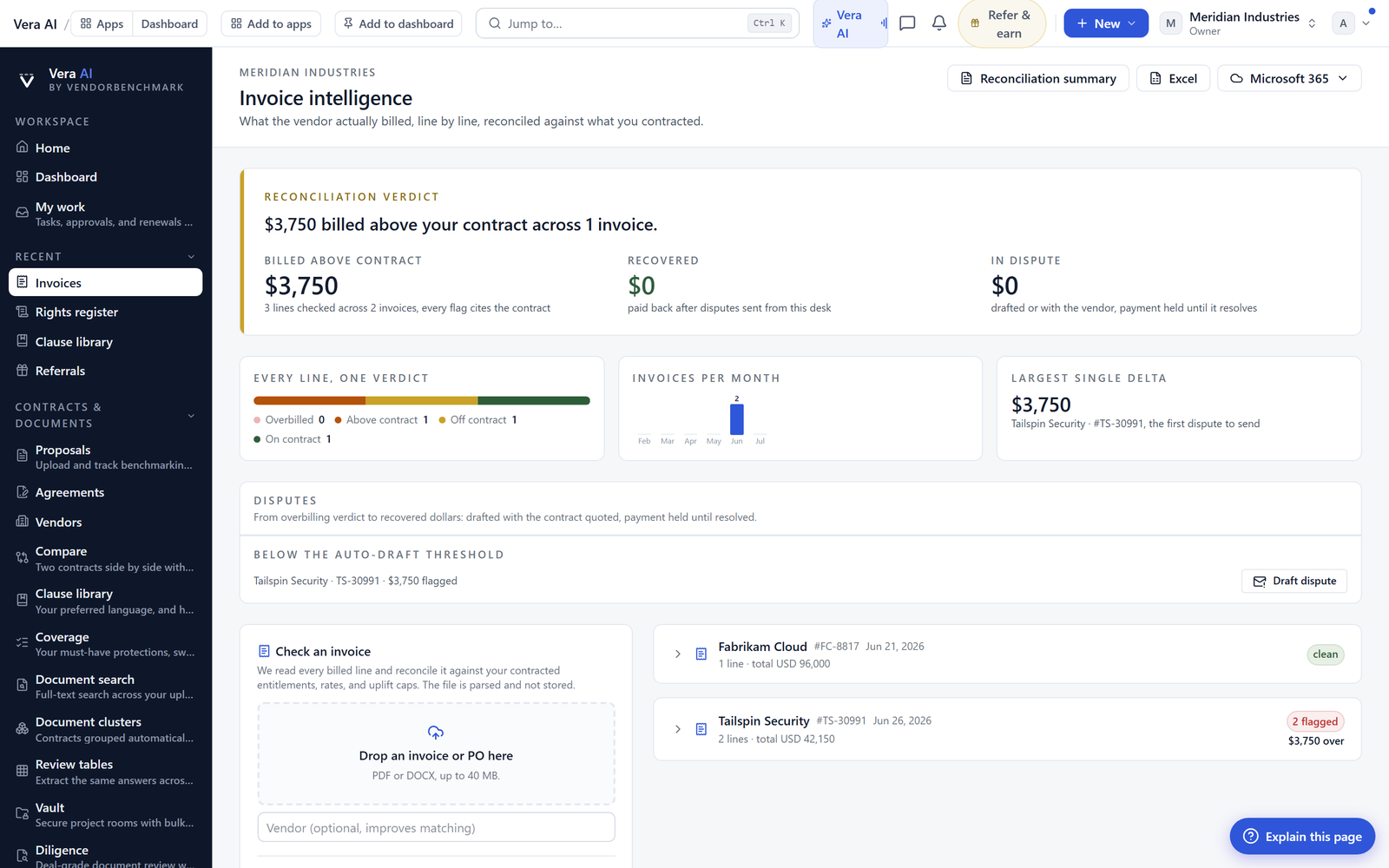
The honest metric is net unit price, the effective amount you pay per seat, per unit, per whatever the deal is measured in, and the right question is where that sits against where comparable deals land. Benchmarked that way, the vendor's list price becomes irrelevant, because you are comparing real prices to real prices. A net unit price in the bottom quartile of comparable deals is a strong outcome whether the discount that produced it was forty percent or ninety; a net price in the top quartile is a poor one no matter how large the headline discount looked.
Reading the benchmark correctly also means respecting the direction of each metric, which is subtler than it sounds. On a price metric, lower is better, so landing where few others have paid less is the goal. On a discount metric, higher is better. Conflating the two, treating a high number as automatically good, is exactly the confusion the discount headline trades on. A benchmark that grades the net price with the right direction tells you plainly whether you are ahead of the market or behind it, which the discount percentage never could.
Want to be updated when major licensing and pricing changes land? One analyst brief a week: the price rises, metric changes and audit campaigns that move software costs. Work email only.
What the vendor cannot fake, and the invoice proves
The final reason to anchor on net unit price is that it is the number that survives into reality. The discount is a figure on a quote; the net unit price is what shows up on the invoice, month after month, for the life of the contract. Benchmarking the metric that the billing will actually reflect keeps the whole negotiation honest, because it is the same number you will later reconcile against what you are charged. A deal negotiated on discount percentage can look great on the quote and disappoint on every invoice; a deal negotiated on net unit price cannot drift between the two.
This is also why bundle games and metric changes are so effective and so worth watching: a vendor that repackages units, shifts what a licence covers, or bundles in something you did not price can move the effective net price while leaving the discount headline untouched. Benchmarking net unit price on a consistent, normalized basis cuts through all of it, because it measures the one thing that matters underneath the packaging, which is what a unit of the thing you are buying actually costs you.
Why net unit price wins
A number, not the whole decision
Net unit price is the right metric, not the only consideration. A slightly higher net price can be justified by a genuinely better product, a stronger relationship, or terms that matter more than the rate, and normalizing across deals with different scopes is real work that a benchmark does its best to get right but cannot make perfect. The number tells you where you stand; the decision about whether standing there is acceptable is still a judgment.
What anchoring on net unit price removes is the specific, avoidable way buyers get fooled, which is mistaking a big discount for a good deal. The discount percentage was always the vendor's number, built on a list the vendor controlled. What you pay per unit is your number, the one the invoice confirms and the market can benchmark. Negotiate that, and the vendor loses the denominator they were counting on, which is usually the moment the real price starts to move.
Fredrik has spent more than twenty years in enterprise software, with time at Oracle, IBM, SAP, and Salesforce before moving to the buy side. He structured and priced the kind of large agreements most buyers only see once or twice in a career, which taught him where the leverage sits and how far a vendor will actually move. He started VendorBenchmark to hand that knowledge to every sourcing team.
The week in enterprise software buying, in one email.
What shipped on the platform, and the pricing and licensing moves worth knowing before your next renewal. One email a week, to your work address. Unsubscribe any time.