Sizing AI commits from your usage, not the vendor's growth story.
Every AI vendor now sells the same shape of deal: commit to a level of consumption for a discount, sized to where your usage is going. The providers differ; the trap is identical, and so is the method that beats it. Measure, right-size, pull the free levers, and commit to a band you will actually burn.
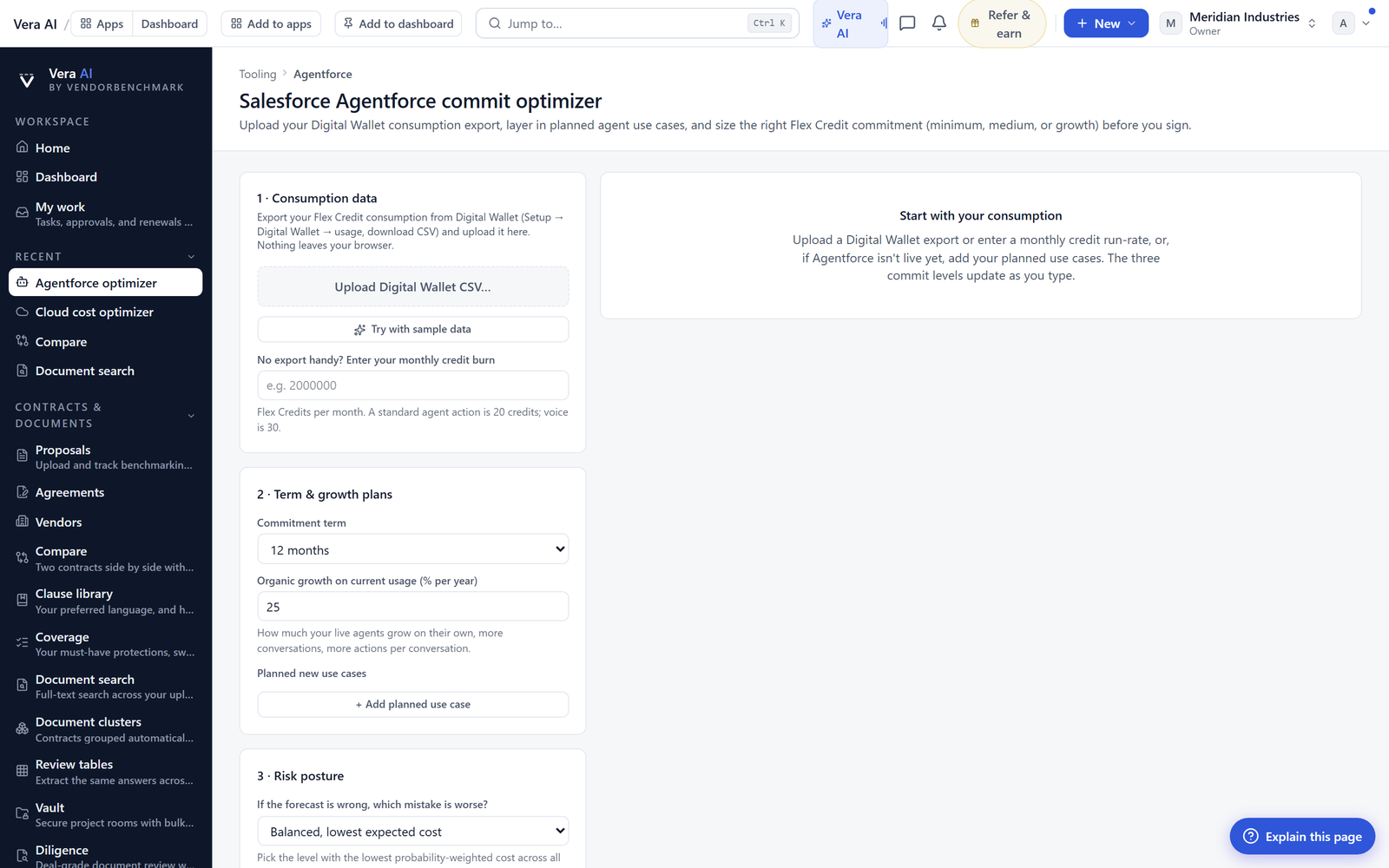
The AI vendors do not agree on much, but they agree on how to sell a commitment. Whether it is a token spend commit with Anthropic or OpenAI, a consumption block for Salesforce's Agentforce, or per-seat Copilot across Microsoft, the pitch has the same three beats: your usage is climbing, commit to where you are going rather than where you are, and the bigger the commit the better the rate. It is a compelling story, and it is written to make you commit larger than your real usage will justify, because the vendor keeps whatever you pledge and do not consume.
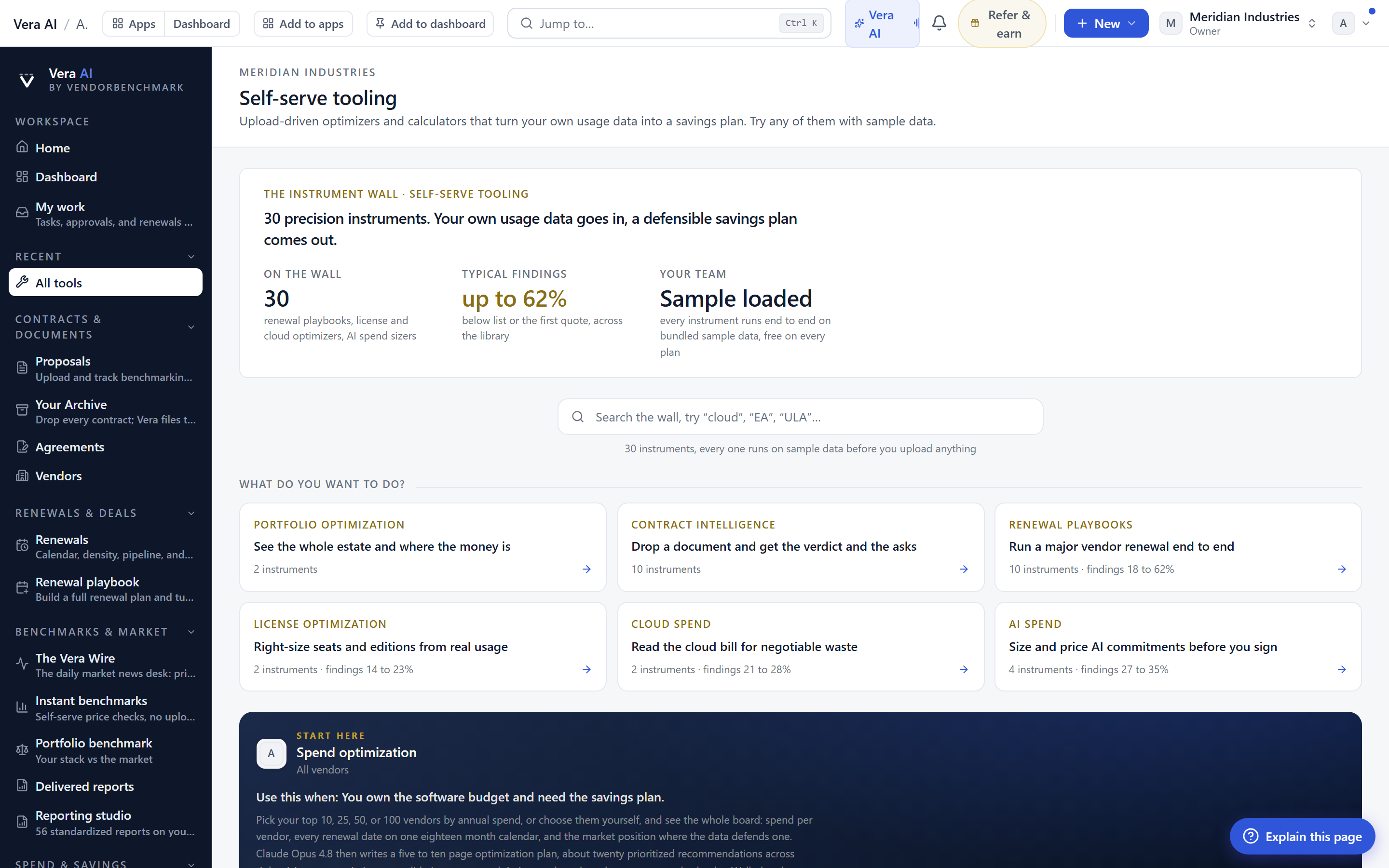
Because the trap is the same across providers, the defense is too. Sizing an AI commit well is not a different exercise for each vendor; it is one repeatable method applied to whatever units the vendor happens to price in. Measure your real usage, right-size what you run, pull the levers that lower the effective price before you commit, and then commit to a band you will genuinely burn. The providers change; the discipline does not, and a team that learns it once can size a Claude deal, an Agentforce block, and a Copilot rollout with the same four moves.
Measure first, because the vendor's forecast is not yours
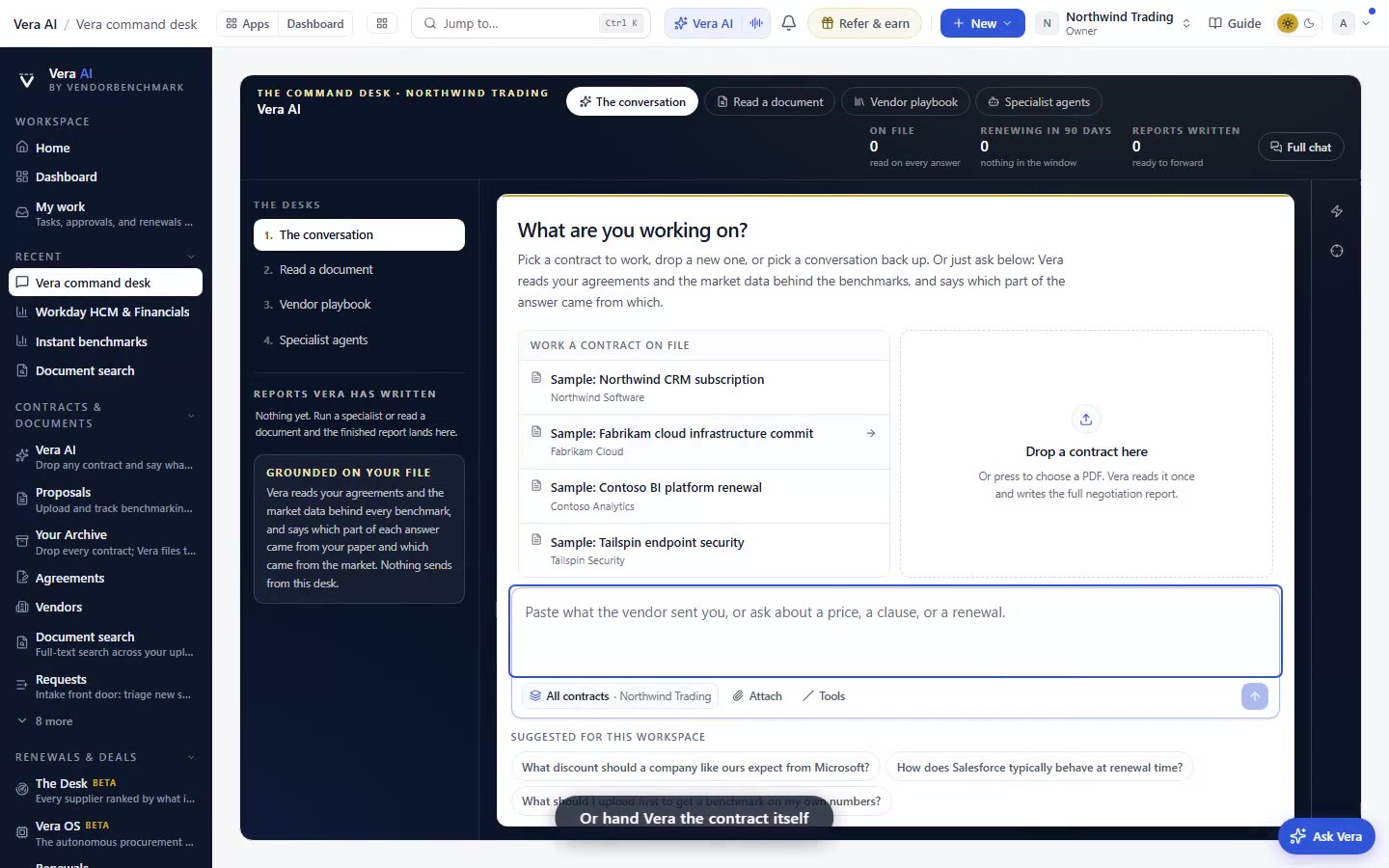
The method starts by refusing the vendor's number. A consumption commit is a bet on your future usage, and the vendor writes the odds by forecasting that usage upward and pricing the discount to a level you may never reach. The only honest input is your own measured usage: what you actually consume today, by model or by seat or by action, and the realistic trajectory after the optimizations you already have planned. A pilot beats any projection here, because AI adoption is uneven and the gap between "we turned it on" and "it handles real volume" is exactly where over-commitments are born.
This measurement is what the optimizer tools exist to do, and it is the same first step regardless of provider. Feed in your real usage and the commit gets sized against your demand and a set of realistic bands rather than an aspirational curve. The vendor wants you to size to the optimistic case; the method sizes to the case your usage actually supports, so the discount you earn applies to consumption you will really incur rather than capacity you will forfeit. Start from your meter, not their story, and the rest of the sizing follows.
Right-size and pull the free levers before you commit
Before sizing the number, lower it, because a commit built on unoptimized usage is a commit sized to a figure you could have made smaller for free. Two levers apply across AI vendors. The first is right-sizing what you run: not every workload needs the most capable, most expensive model or the top seat tier, and routing the easy work to a cheaper option while reserving the premium for the hard work often moves the bill more than any discount. The second is the structural levers, caching repeated context, batching non-urgent work, that cut the effective price of the same output without a single concession from the vendor.
Pulling these before you commit is the step most buyers skip, and it compounds with the sizing. A team that right-sizes the mix and caches the repeated work arrives at the negotiation with a materially lower run rate, which means a smaller, safer commitment against an optimized number rather than an inflated one. The vendor would prefer you commit big against your raw usage, because that locks in more guaranteed spend; the levers are how you commit right against your optimized usage instead, and they are entirely on your side of the table.
Commit in a band, and benchmark the rate
With the run rate optimized, size the commitment in a band rather than at a point. High enough to earn the discount on your realistic usage, low enough that normal growth does not tip you over into the penalty pricing that lurks past most consumption commits, where usage above the commit is billed at full rates that erase the discount. The two errors, committing too little and forfeiting the rate, committing too much and forfeiting the balance, both cost money, and the vendor's forecast reliably points you toward the expensive one. The safe commit is the one your realistic usage burns with margin, letting growth handle the upside.
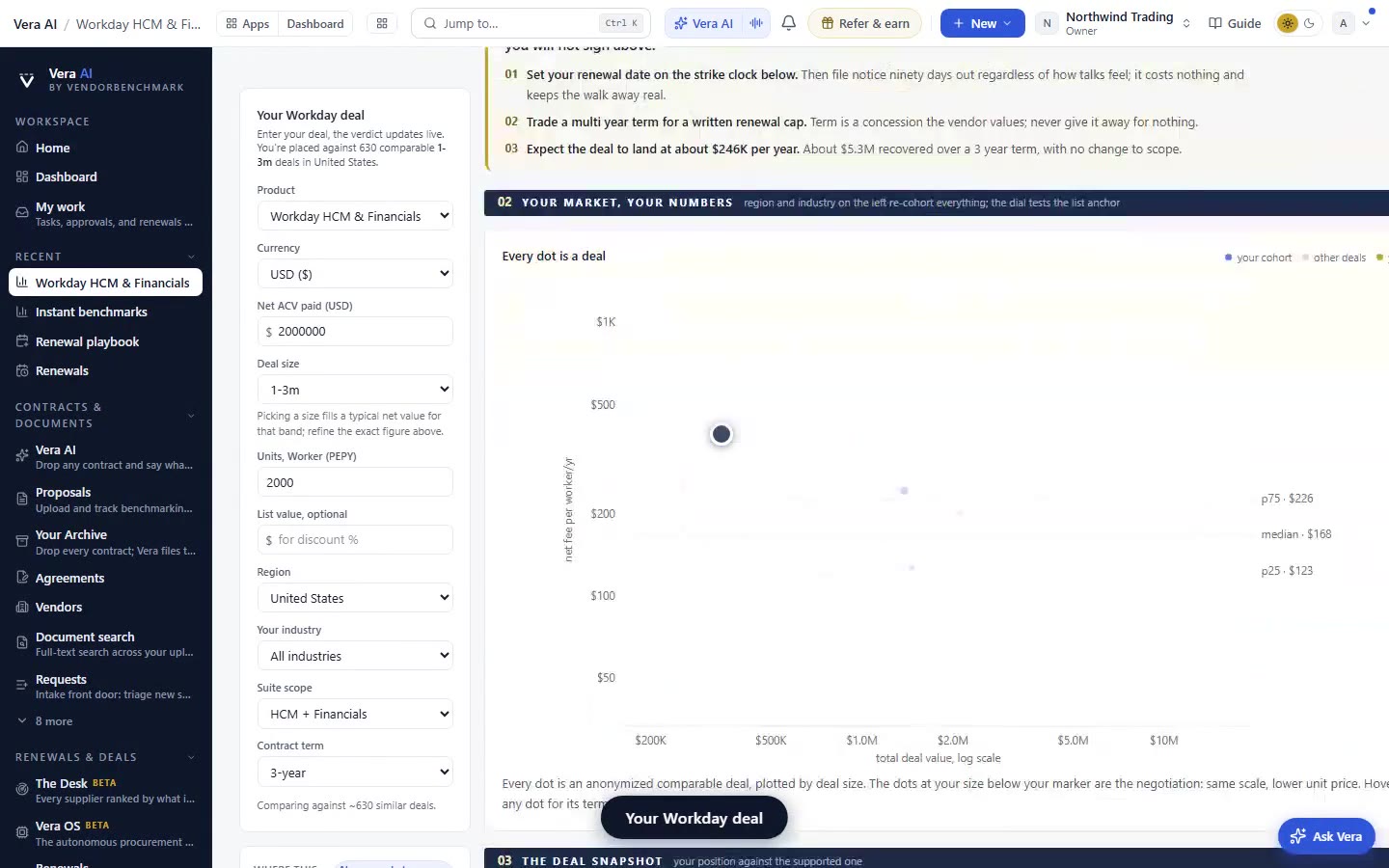
The last move is to benchmark the rate, which matters more on AI than almost anywhere because the units are new and there is no folk knowledge of a fair price yet. The committed-spend discount you are offered sits in a distribution of what comparable buyers achieved, and benchmarking it is the only way to know whether the deal is strong or merely large. Measured usage, an optimized mix, the free levers pulled, a commitment sized to a band, and a benchmarked rate: five moves, one method, applied to whichever AI vendor is across the table this quarter.
One way to size any AI commit
A method, not a crystal ball
Sizing an AI commit is still forecasting, and AI usage can surprise you, a project cancelled, an adoption curve that never bends, a workload that migrates faster than planned. The method bounds the risk with margin and scenarios; it does not remove it, and on a fast-moving AI spend the sensible commit is a conservative one that leaves room to grow rather than a bet sized to the best case. Some of the uncertainty here is genuinely irreducible.
What the method removes is the vendor's structural advantage, which is a novel unit, a growth story, and a consumption commit combining to produce an oversized deal you cannot easily unwind. Applied consistently, measure, right-size, pull the levers, commit to a band, benchmark, it turns every AI negotiation into the same solvable problem regardless of which provider is selling. The AI vendors have standardized their pitch; standardizing your response is how you stop paying for the growth story and start paying for the usage.
Fredrik has spent more than twenty years in enterprise software, with time at Oracle, IBM, SAP, and Salesforce before moving to the buy side. He structured and priced the kind of large agreements most buyers only see once or twice in a career, which taught him where the leverage sits and how far a vendor will actually move. He started VendorBenchmark to hand that knowledge to every sourcing team.
The week in enterprise software buying, in one email.
What shipped on the platform, and the pricing and licensing moves worth knowing before your next renewal. One email a week, to your work address. Unsubscribe any time.