Price increases mid-term: what your contract actually allows, and the reply that cites it.
A vendor emails to say prices are going up, effective next month, mid-term. Most buyers sigh and absorb it. But you already negotiated this: your contract almost certainly caps the increase or forbids it entirely. The winning reply is not outrage, it is a quote from your own paper.
It arrives as a matter-of-fact notification, often not even addressed to procurement: prices are increasing, here is the new rate, effective at your next billing cycle. The framing is administrative, as though a price rise mid-contract were a fact of nature rather than a change to an agreement you both signed. And it works, because most buyers respond by grumbling and paying, on the assumption that the vendor would not announce it if they were not entitled to it. That assumption is the vendor's most valuable asset in the whole exchange, and it is usually wrong.
The truth is that a mid-term price increase is only valid if your contract permits it, and a well-negotiated contract either caps such increases tightly or forbids them outright for the term. The vendor announcing the rise is betting that you have not read your own paper recently enough to know which. The response that costs them the increase is not an angry email, it is a calm one that quotes the clause you already negotiated, because a vendor cannot easily raise a price their own signature capped.
The clause you already negotiated
The defense against a mid-term increase was usually built at the last renewal, and then forgotten. Most enterprise contracts of any sophistication contain some form of price protection: a cap on annual increases at a fixed percentage, a price hold for the term, a most-favored pricing clause, or a simple statement that rates are fixed for the contract period. These were negotiated precisely so that the vendor could not do what they are now attempting, and the first move is to find the exact clause and read what it actually says. Often the increase is either not permitted at all mid-term or permitted only within a cap far below what the vendor just announced.
The problem is retrieval, not entitlement. The protection exists, but it is buried in a contract nobody has opened since it was signed, and under the mild time pressure of a billing notice, few teams go digging. Being able to surface the relevant clause quickly, the price protection, the cap, the term-fixed language, turns the vendor's administrative announcement into a contract question, which is a question you are positioned to win. The clause is your evidence, and it is already sitting in your own files with your own signature under it.
Catch the change the moment it happens
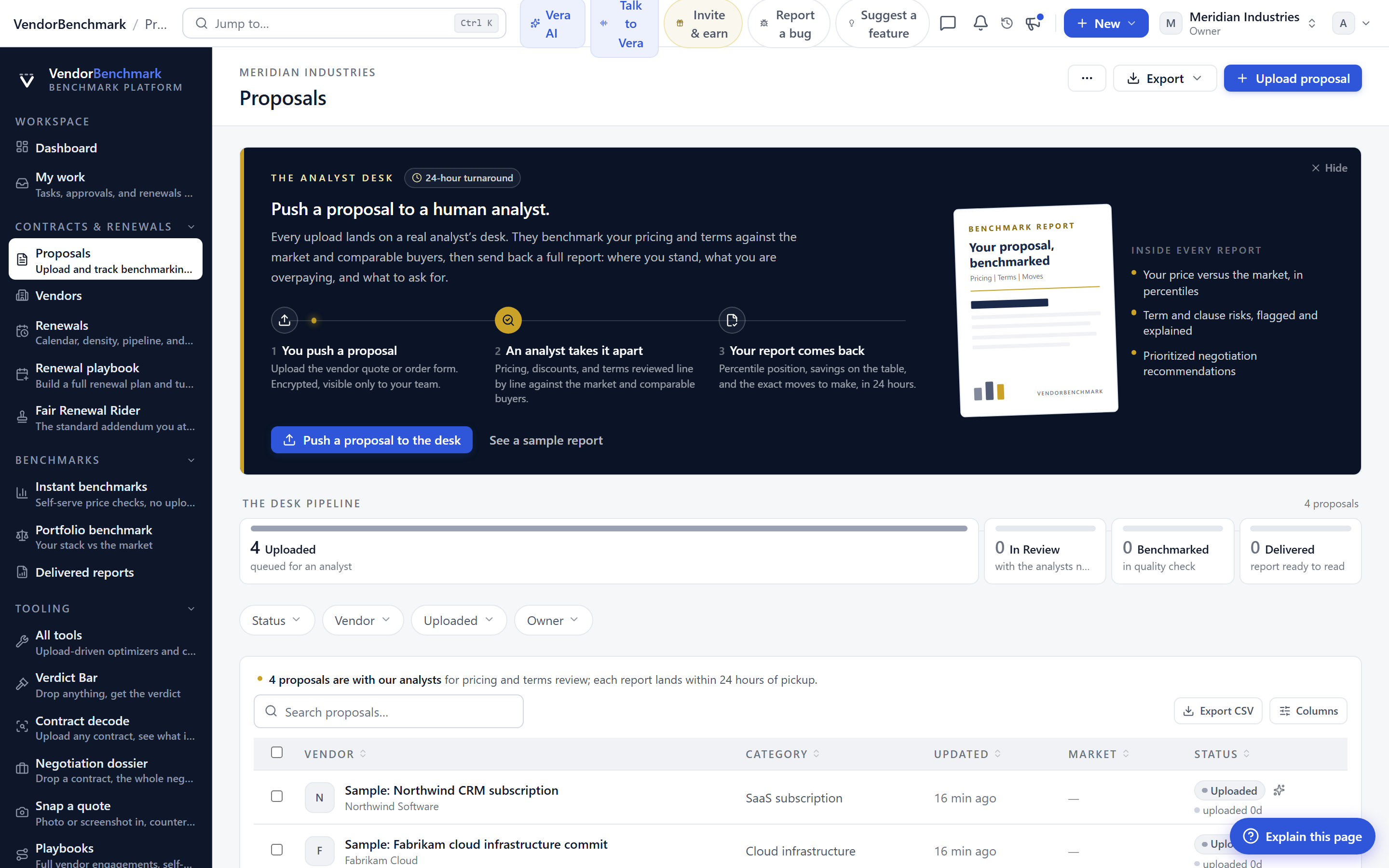
Sometimes the mid-term increase does not even arrive as a notice to you; it appears as a quietly edited public price list, and the first you would otherwise hear of it is when the higher rate shows up on an invoice. This is why watching the vendor's published prices matters as much as reading your own contract. When a vendor edits a price list, catching that change the week it happens, and seeing it priced against your own exposure, means you are aware of the attempted increase before it reaches your bill, not after, and you can raise your contractual protection proactively rather than dispute a charge in arrears.
The two capabilities work together. The price watch tells you the vendor moved, and your contract tells you whether they were allowed to. A list-price change on a vendor whose contract caps your rate is not your problem to absorb, it is a discrepancy to flag, and flagging it before the billing cycle is far cleaner than clawing it back after. Between knowing the vendor changed their list and knowing your own contract forbids that change reaching you, the mid-term increase has nowhere to land.
Want to be updated when major licensing and pricing changes land? One analyst brief a week: the price rises, metric changes and audit campaigns that move software costs. Work email only.
The reply that cites the paper
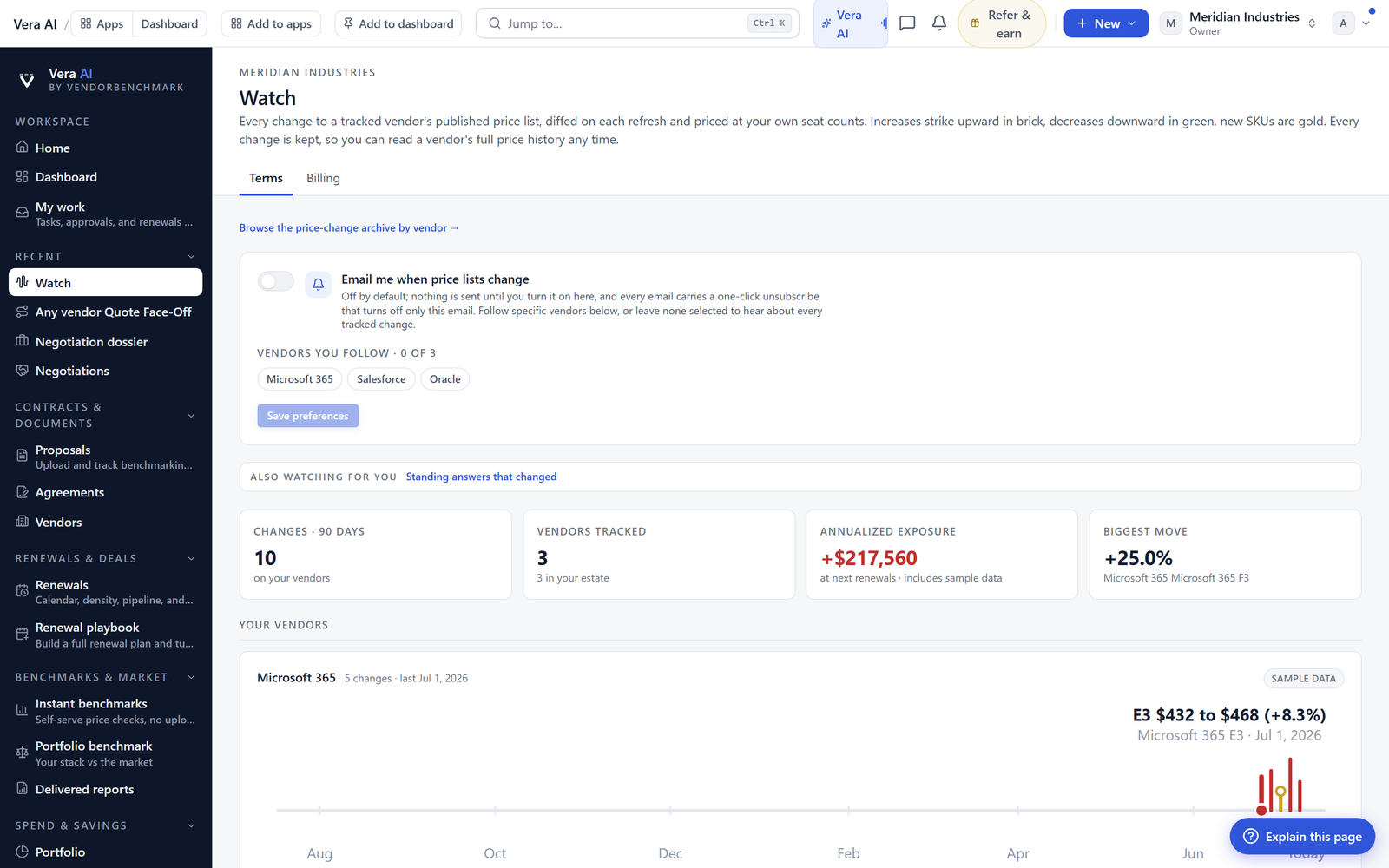
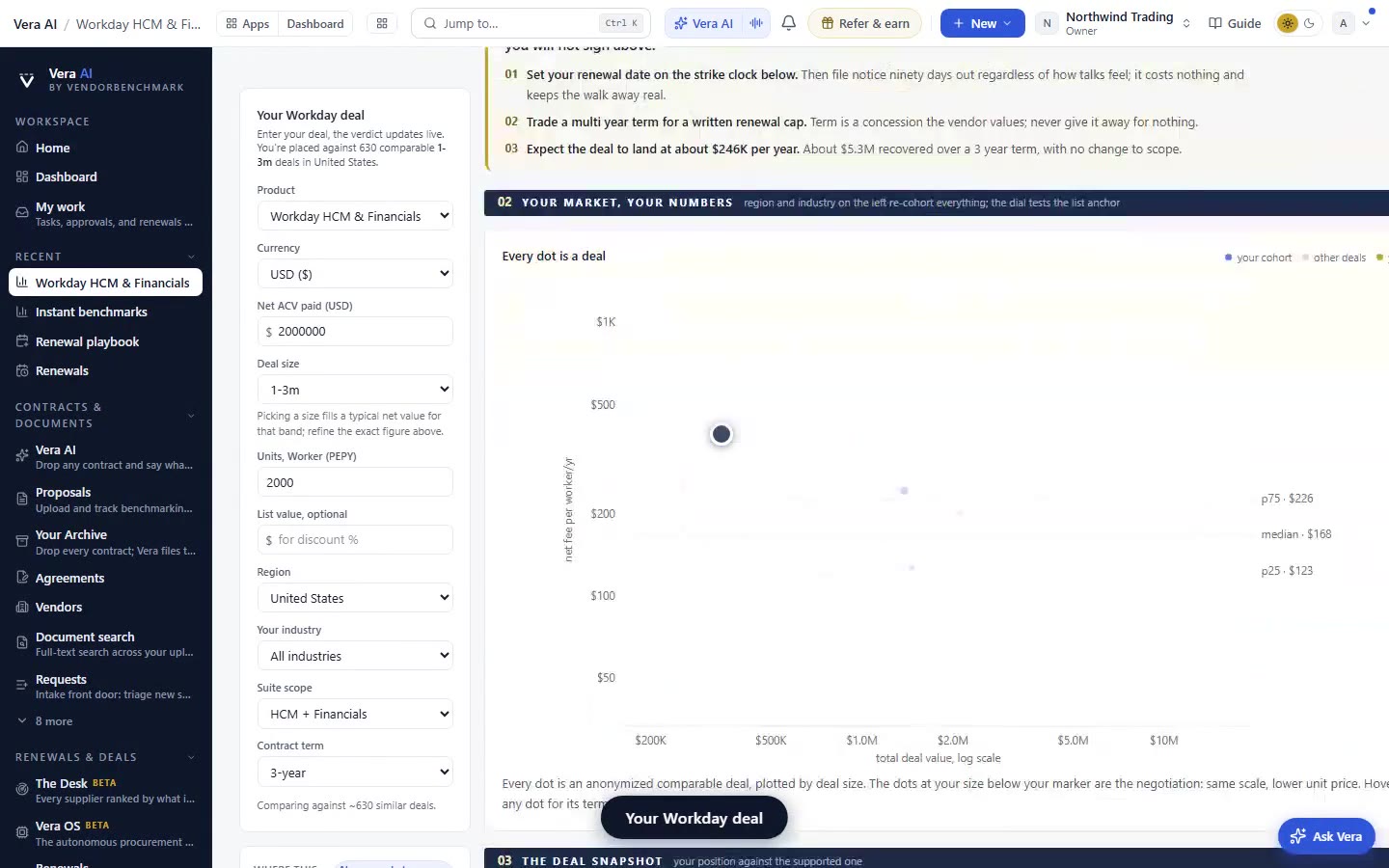
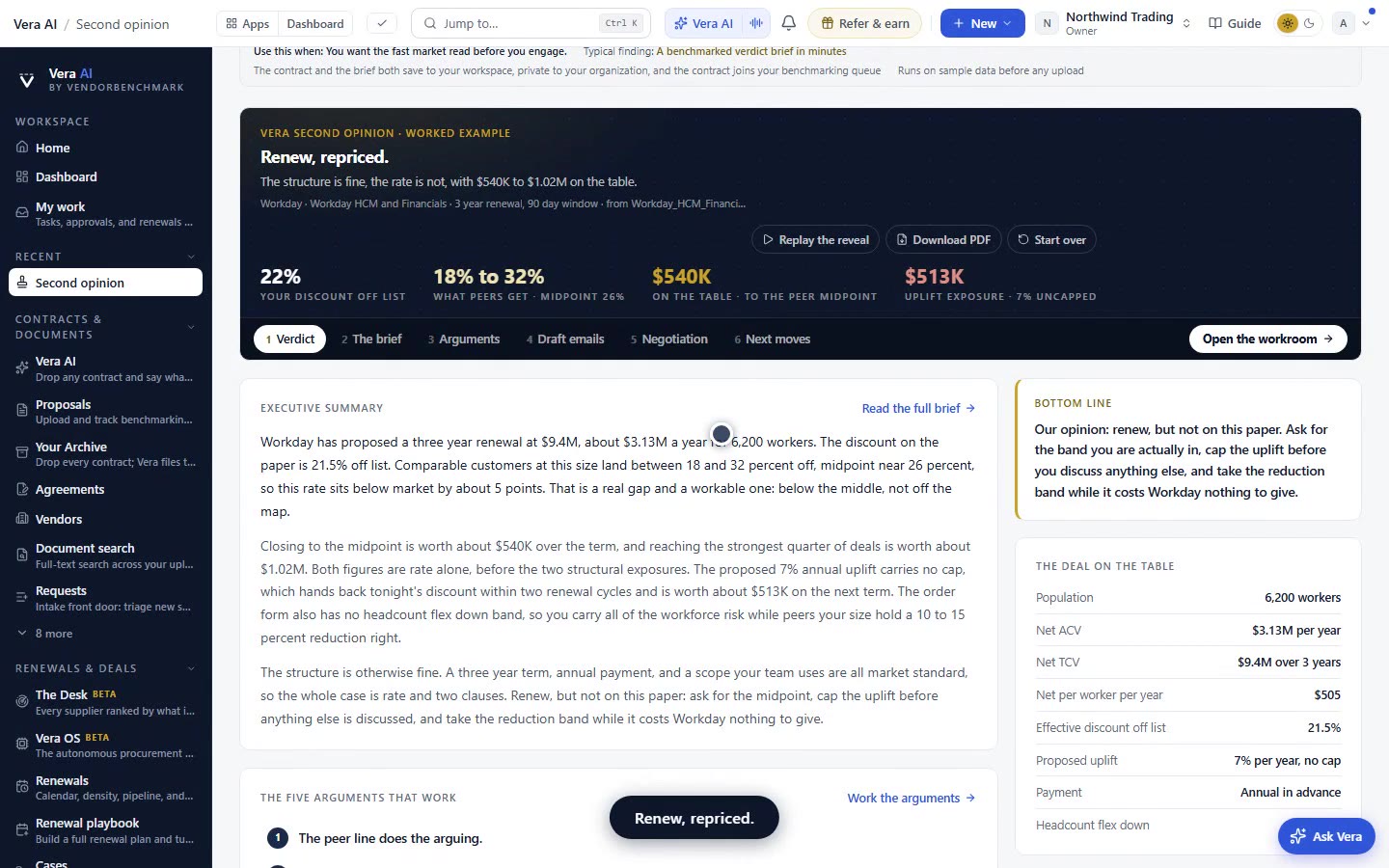
The response that works is unemotional and specific. It does not argue that the increase is unfair, which invites a negotiation; it observes that the increase is not permitted under a specific clause of the agreement you both signed, and quotes it. A vendor who receives outrage can manage it; a vendor who receives their own contractual language, correctly cited, is in a much weaker position, because now they are not defending a price increase, they are explaining why they attempted one their contract does not allow. The burden shifts entirely.
Where the contract permits a capped increase rather than none, the same discipline applies: the reply accepts the increase only up to the negotiated cap and cites the cap, so a vendor reaching for more is held to the number they agreed. In either case the move is the same, meet the administrative announcement with the contractual reality, and let your own paper do the arguing. It is one of the highest-return responses in all of vendor management, because it costs a single well-drafted email and can save an increase the vendor was counting on you to simply absorb.
How to answer a mid-term increase
Some increases are allowed, and worth checking anyway
Not every mid-term increase is a violation. Some contracts genuinely permit them, pass-through costs, indexed adjustments, specific carve-outs, and a reply citing a clause that does not say what you hoped is a weak one. The discipline is to read what the contract actually allows before responding, which sometimes means confirming the increase is permitted and turning attention to capping it at the next renewal instead. Knowing your protection includes knowing its limits.
What the approach removes is the reflexive absorption that vendors rely on. The default response to a mid-term increase, quiet acceptance, treats a contractual question as a fact of life, and it is exactly the behavior the administrative framing is designed to produce. Meeting the announcement with the contract, whether to refuse the increase, cap it, or confirm it and fix the gap next time, turns a passive cost into an active decision, and turns your own paper into the asset it was always meant to be.
Morten brings two decades of enterprise and software procurement, with stints across Oracle, IBM, SAP, and Salesforce shaping how he reads a deal. He has led sourcing through hundreds of renewals, from mid market order forms to nine figure global agreements, and learned that the buyers who win are the ones who walk in knowing the market. He built VendorBenchmark to make that pattern recognition repeatable.
The week in enterprise software buying, in one email.
What shipped on the platform, and the pricing and licensing moves worth knowing before your next renewal. One email a week, to your work address. Unsubscribe any time.