From first login to first saved deal, in an afternoon.
A new platform earns its place by producing one real result before your attention runs out. Not a feature tour, not a configured workspace, a single benchmarked, saved deal on your own numbers. Here is the shortest path from a fresh account to that first win, and why it is the only onboarding metric that matters.
The temptation with a capable platform is to onboard by showing everything it can do. It is also the surest way to lose a new user, because a tour of a hundred features answers a question nobody asked and defers the only one that matters: what can this do for me, on my numbers, today? A new user does not adopt a platform because it is impressive. They adopt it because, early on, before their attention and their goodwill run out, it produced one real result they could not have gotten as easily anywhere else. Everything in onboarding should serve that single first win.
For a benchmarking platform, that first win has a precise shape: a contract of yours, benchmarked against the market, saved as a deal you can return to. Not a demo dataset, not a sample vendor, your own agreement placed against its comparable cohort. The distance from a fresh login to that moment is the single most important number in the whole product, because a user who reaches it in an afternoon becomes a user, and one who does not, however impressive the tour, closes the tab. The goal is not to teach the platform. It is to get you one real answer, fast.
Get one contract in, the fastest way
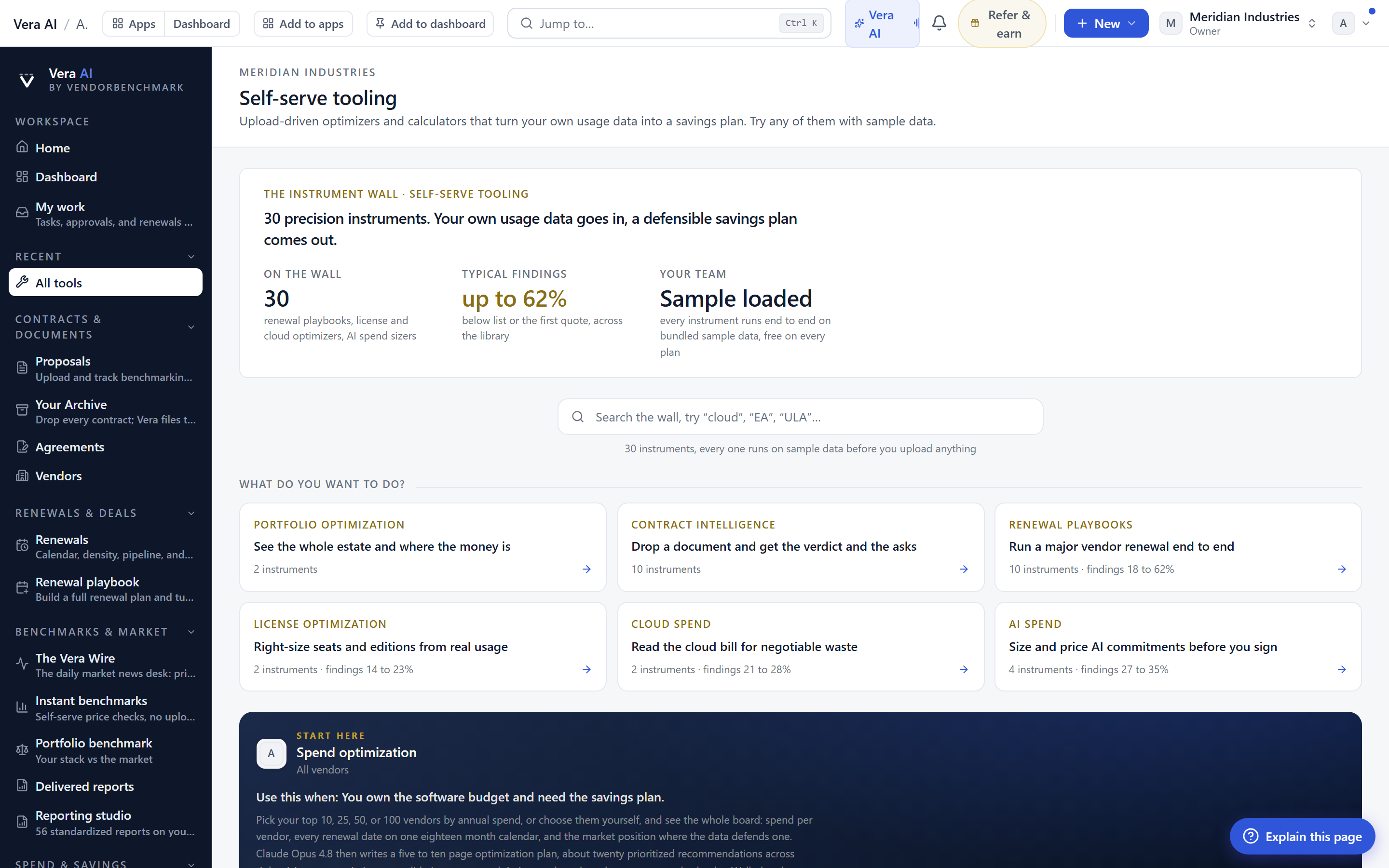
The first step is your own data, because a benchmark against a real contract is the moment the platform stops being a demo, and the onboarding should offer the fastest path to it rather than the most complete one. You do not need to connect every system or upload the whole estate to get a first result; you need one contract in, and the quickest route to that, upload a single agreement, or forward it to a private inbox address, gets you to a real answer without a configuration project. The deeper integrations that load the whole estate are worth doing, but they are later lessons, not the price of the first win.
This is a deliberate inversion of the usual onboarding instinct, which front-loads setup. Asking a new user to connect their SAM tool and their P2P system before they have seen a single result is asking them to invest before they have any evidence the investment pays. Getting one contract in first, by the easiest means available, delivers the evidence, and a user who has seen the platform benchmark their own Salesforce or Microsoft agreement is a user who will happily do the deeper setup afterward, because now they know what it is for.
See it benchmarked, the moment of belief
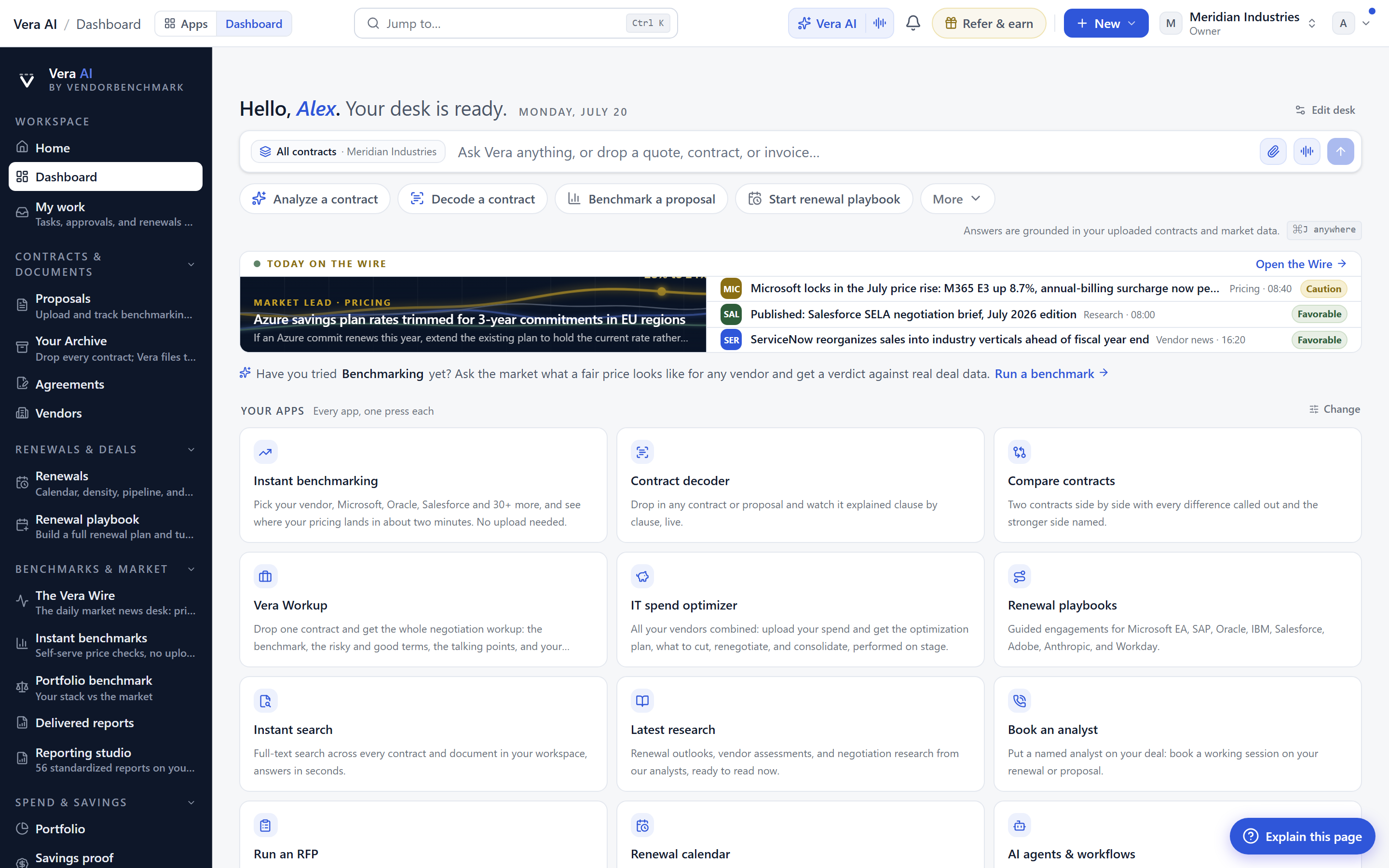
With one contract loaded, the benchmark is the pivot, and it should arrive immediately, because this is the moment belief is won or lost. Seeing your own position, your unit price, placed against the distribution of comparable deal cohorts, with a real rank and a real dollar gap to the median, is worth more than any amount of feature demonstration, because it answers the exact question that brought the user in: are we overpaying, and by how much? A user who reaches this in their first sitting has experienced the platform's core value on their own numbers, which no tour can substitute for.
The benchmark is also self-justifying in a way a configured workspace is not. A tidy dashboard proves the user did some setup; a benchmark that reveals a real gap on a real contract proves the platform found something worth knowing, which is a completely different kind of evidence. Whether the number confirms a good deal or exposes a bad one, the user learns in that moment that the platform can tell them something specific and grounded about their own spend, and that lesson, delivered fast, is what converts a trial into a habit.
Save the deal, and the platform has a purpose
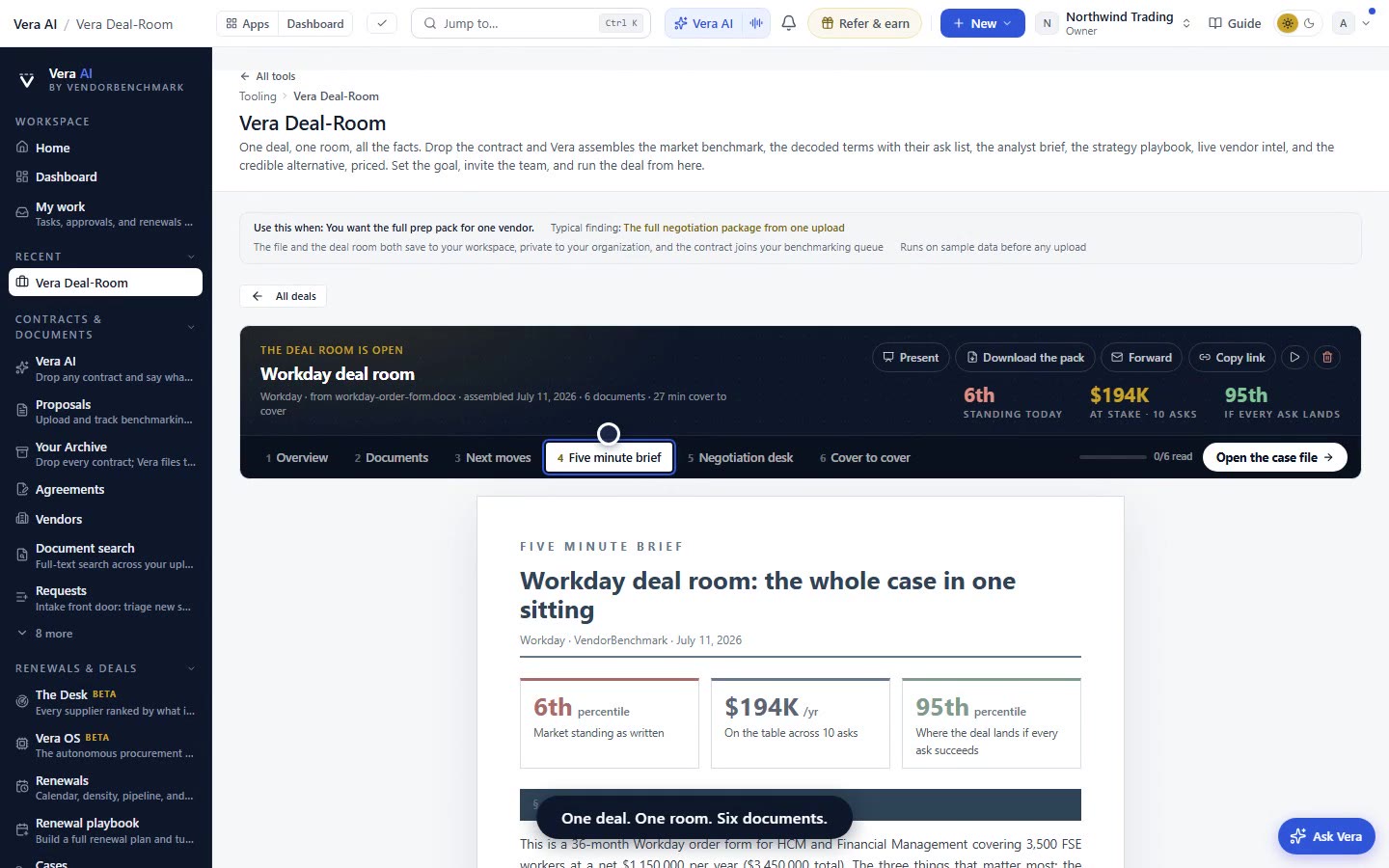
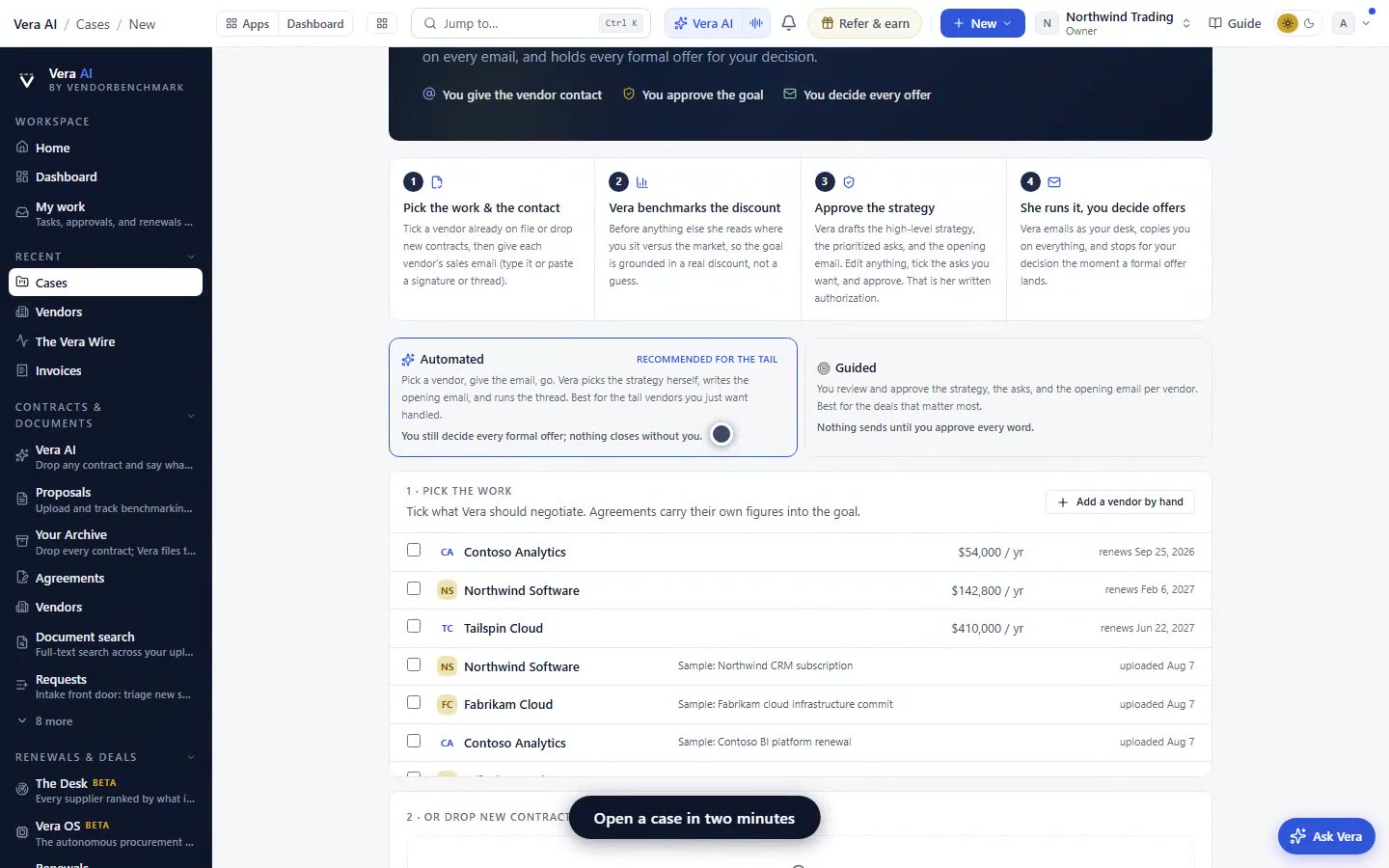
The first result becomes a first commitment when the user saves the deal, and this small act is what turns a one-time answer into an ongoing relationship with the platform. A saved deal is something to return to, to track against its renewal, to set a watch on, to build a negotiation around, and the moment a user has one, the platform stops being a calculator they visited once and becomes a workspace with their real stake in it. The path from login to a saved deal is short by design, because that saved deal is the anchor everything else hangs from.
From that anchor, the natural next steps present themselves without a tour. A saved deal has a renewal date, so the calendar becomes relevant. It has a benchmark, so the negotiation tools have something to work on. It has a vendor, so watching that vendor's prices makes sense. The onboarding does not need to explain all of this up front; it needs to get the user to one saved deal, and then the rest of the platform reveals its purpose in relation to that deal, feature by feature, as the need for each arises. The first saved deal is not the end of onboarding. It is the point at which onboarding stops being necessary.
Login to saved deal, in one sitting
A first win is a start, not the whole value
One benchmarked, saved deal is the beginning of value, not the sum of it. The platform's deeper worth, watching a whole estate, running a portfolio, automating the routine, arrives only with the broader setup that a single contract does not require, and a user who stops at the first win has tasted the value without capturing most of it. The fast first result earns the right to ask for that deeper investment; it does not replace it.
What the first-deal path removes is the failure mode that kills good platforms, which is a new user who never reached a real result before their attention ran out. By making the shortest route to one benchmarked, saved deal the spine of onboarding, rather than a tour of everything, the platform ensures the user experiences its core value on their own numbers early, while they are still paying attention. Get one contract in, benchmark it, save the deal, and the platform has done the only thing onboarding really needs to: proven, on your data, that it is worth coming back to.
Morten brings two decades of enterprise and software procurement, with stints across Oracle, IBM, SAP, and Salesforce shaping how he reads a deal. He has led sourcing through hundreds of renewals, from mid market order forms to nine figure global agreements, and learned that the buyers who win are the ones who walk in knowing the market. He built VendorBenchmark to make that pattern recognition repeatable.
The week in enterprise software buying, in one email.
What shipped on the platform, and the pricing and licensing moves worth knowing before your next renewal. One email a week, to your work address. Unsubscribe any time.