Humans are still more accurate than AI: ask an analyst to benchmark your deal by hand
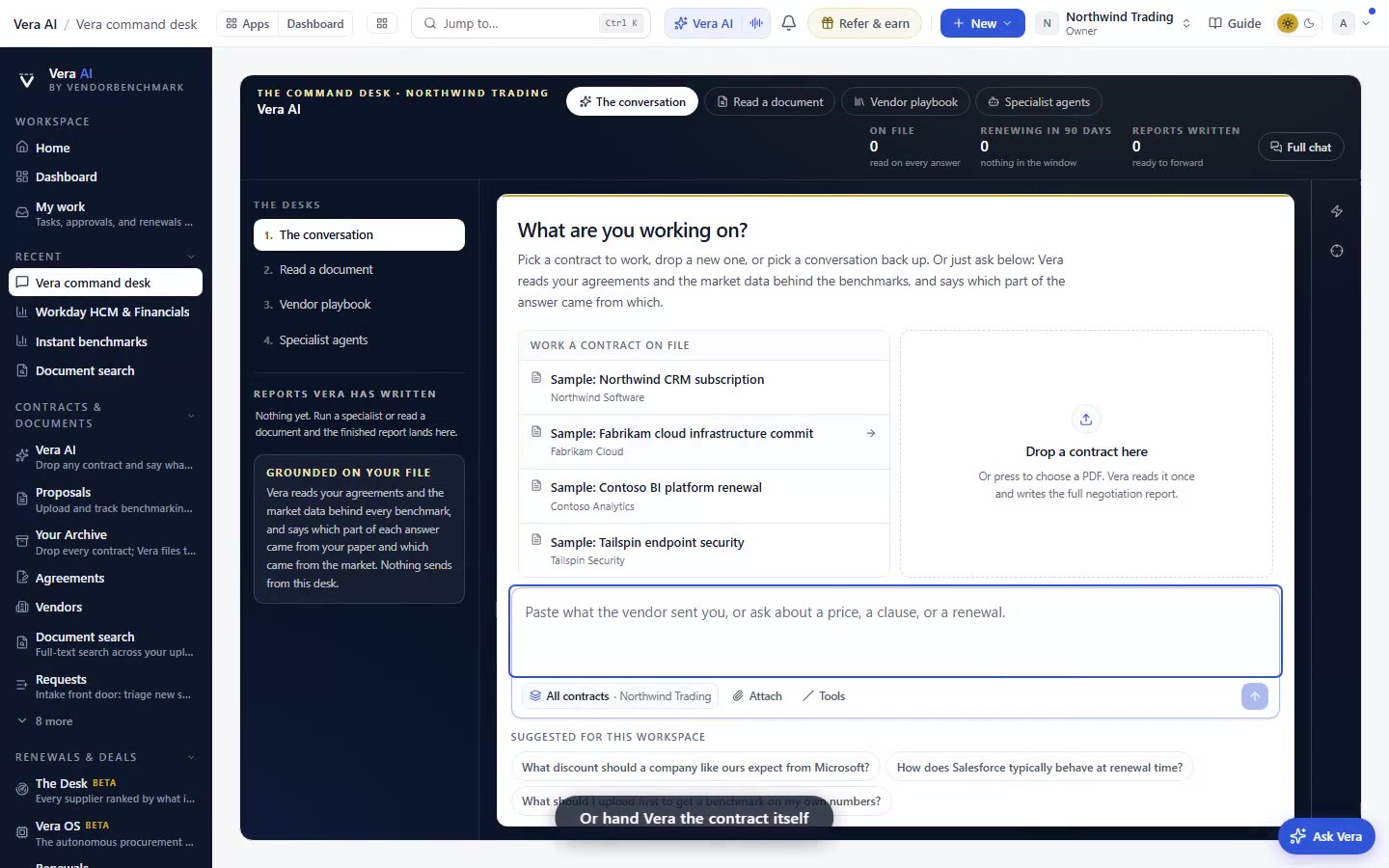
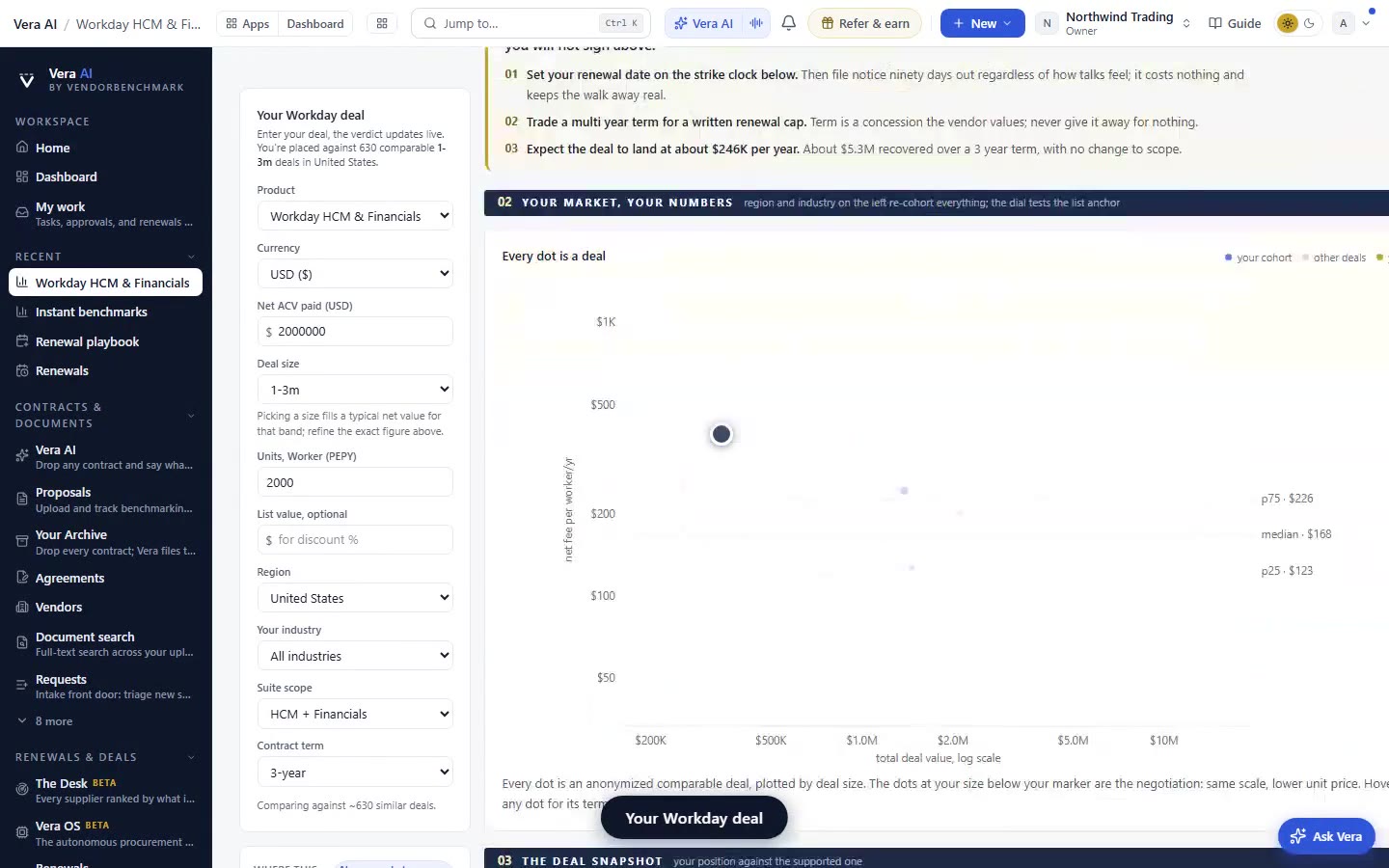
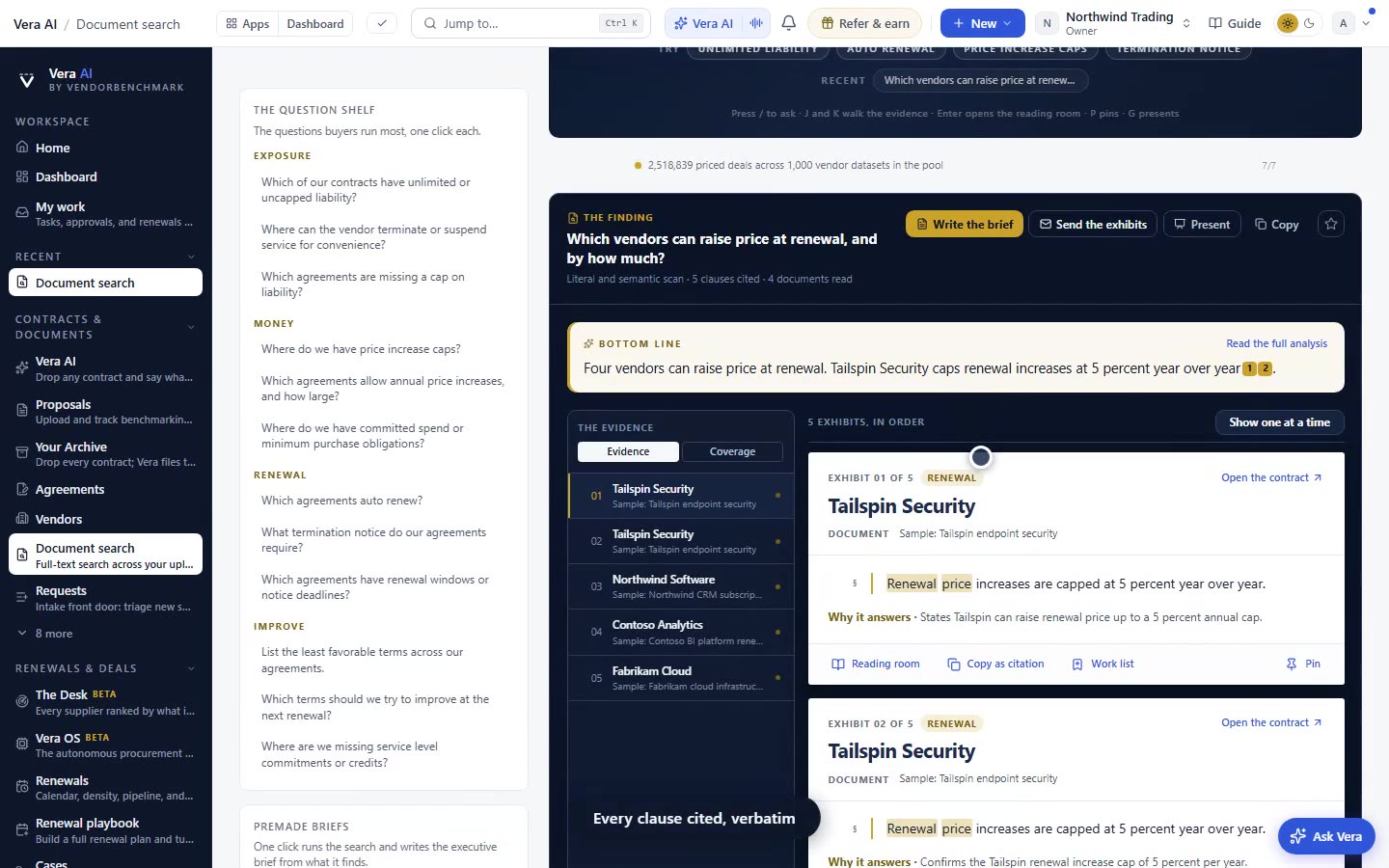
The AI is fast and grounded, but on the deals that matter you can now hand the paper to a person. Drop the contract, brief it in ten optional questions, choose what you want back, and get a dated receipt.
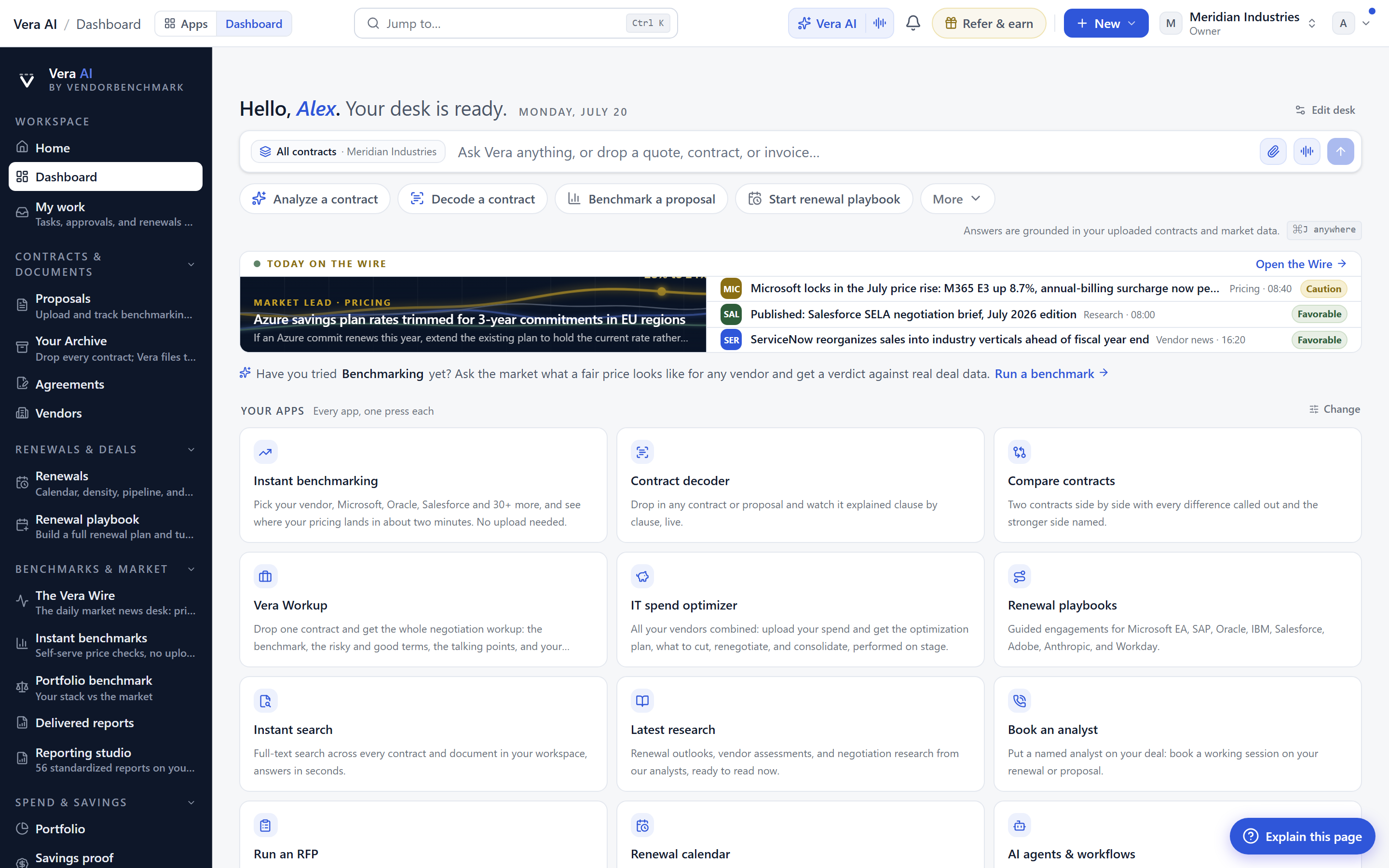
Here is the honest state of play. Our AI is fast, it is grounded, and on most deals it will get you a defensible number in the time it takes to read a page. But humans are still more accurate than AI when the deal is odd, the paper is messy, or the money is large enough that a two percent error is a firing offence. So we shipped the obvious thing. There is now a band on Home, sitting between the bench and Your apps, that opens a window where you hand the whole deal to a VendorBenchmark analyst and ask a person to benchmark it by hand. You can read the full mechanics on /human-benchmark.
The problem: the AI answers in seconds, but you wanted a witness
You already know the situation this fixes. You have a renewal quote that is fifteen percent up on last year, a vendor who insists it is market, and a signature deadline. The AI gives you a clean read, cited and grounded, and for ninety percent of your work that is the end of it. But this is the deal your CFO will ask about by name. You do not just want a number. You want a named analyst to have looked at the same paper you are looking at, to have weighed the same clauses, and to stand behind the figure when someone senior pushes back. That is a different product from a chat answer, and it deserves a different door.
We are candid about what the machine should and should not touch. We have written before about what we will not let the AI do on your deals, and about what grounded AI means when the number goes into a negotiation. The human review band is the other half of that position. When accuracy has to be underwritten by a person, you should be able to ask for a person.
What the window actually does
The window is deliberately plain. You drop the paper first: the contract, the quote, or the order form, whichever you are holding. Then you answer ten short questions about the deal. Every single one is optional, and every answer you do give sharpens the number. If all you have is a quote and thirty seconds, send that. If you can tell us the incumbent, the seat count, the term, and the deadline, the analyst starts from a much tighter position. Nothing is mandatory except the paper, and honestly even the questions you skip cost you only precision, not the review itself.
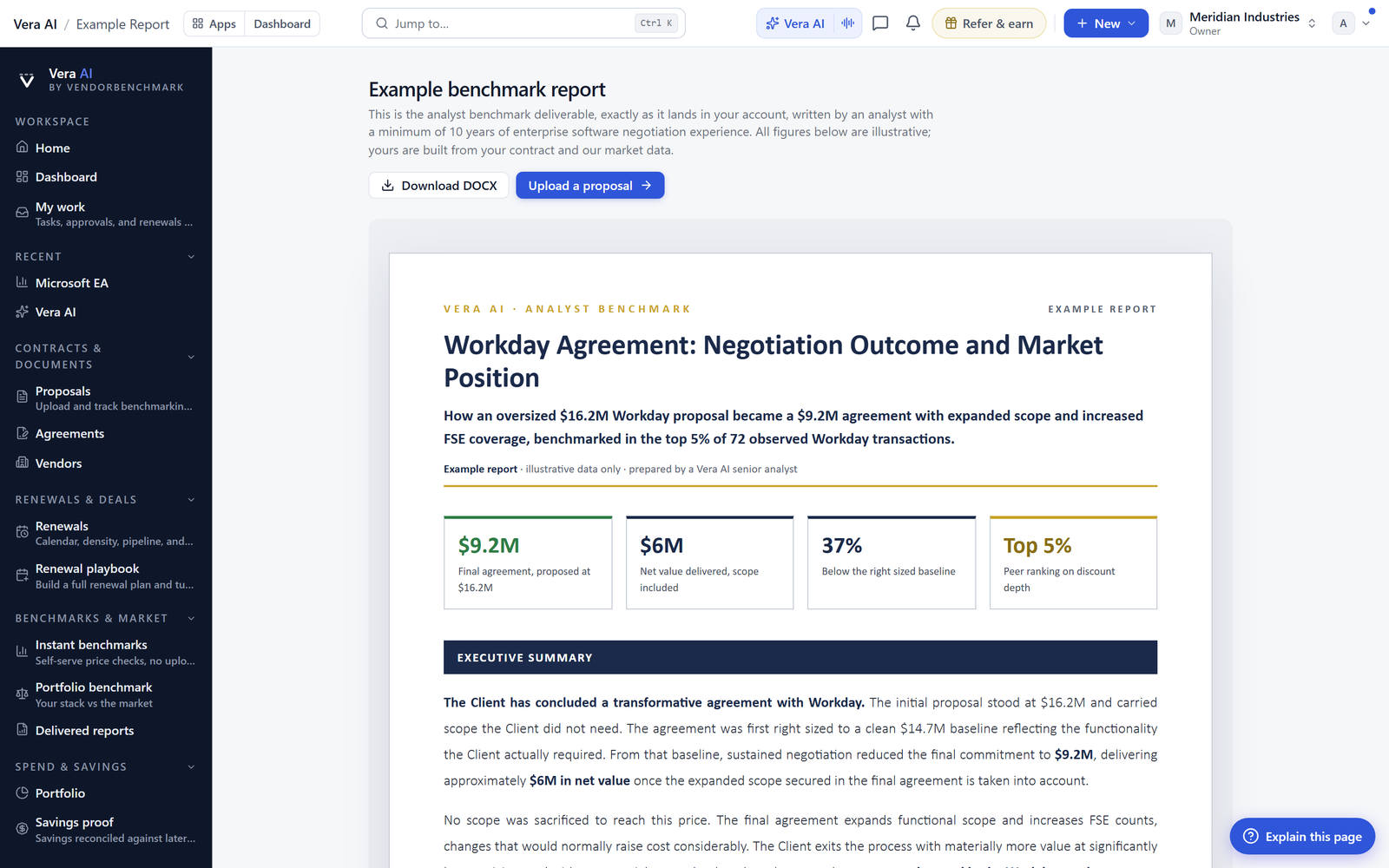
Then you choose what you want back, and this is where it stops being a single answer and becomes a package. You can ask for a benchmark, a negotiation strategy, a research report, or a call with the analyst. Any of them, or all of them. If you want the number, take the benchmark. If you want the counter, the strategy reads like our Negotiation Dossier, a document you can hand across the table. If you want the workings, ask for the research report, one of the 25+ report types we produce as a styled page rather than a buried attachment.
What happens after you hit send
Send it, and three things happen at once. The paper lands in the analyst review queue with your brief on the record, so the ten questions you answered travel with the document and no one has to ask you to repeat yourself. Every VendorBenchmark analyst is told the moment it arrives, so it does not sit waiting for one person to notice. And you get a receipt that names the day you will hear back, so the review has a date attached instead of a vague promise. That receipt is the part buyers ask us for most. A dated commitment is something you can put in front of an approver who wants to know when the number lands.
There is one small mercy built in. Close the window and everything you typed is kept. If you get pulled into a meeting halfway through the ten questions, you do not lose the brief. Come back and it is where you left it. We built the human desk to sit alongside the AI, not to replace it, so the same paper you hand a person can still get the two minute read from the machine while you wait.
Where a hand benchmark beats the machine, and where it does not
Be clear about the trade you are making. The AI is instant. A human is not. If you send a deal to the analyst queue, you are choosing accuracy and accountability over speed, and you get a dated receipt precisely because it will not be instant. For a routine renewal that is well inside market, that trade is not worth making, and the grounded read will serve you fine. Save the human desk for the deals where the paper is unusual, the vendor is disputing your read, or the sum is large enough that the extra confidence is worth the wait.
The analyst is also only as sharp as the brief. The number narrows with every question you answer, so a benchmark built on a lone quote and no context will be a wider band than one built on a full brief. That is not a limitation of the person, it is the nature of the work. Give the analyst the incumbent, the term, and the deadline and the review comes back tighter. Give it nothing and you get a market range rather than a market point.
If your instinct is that a person should look at the biggest deals before you sign them, that instinct is correct, and now there is a door for it. Drop the paper, answer what you can, choose what you want back, and take the dated receipt. For the deals where two percent matters, ask for the hand benchmark at /human-benchmark.
Want to be updated when major licensing and pricing changes land? One analyst brief a week: the price rises, metric changes and audit campaigns that move software costs. Work email only.
Morten brings two decades of enterprise and software procurement, with stints across Oracle, IBM, SAP, and Salesforce shaping how he reads a deal. He has led sourcing through hundreds of renewals, from mid market order forms to nine figure global agreements, and learned that the buyers who win are the ones who walk in knowing the market. He built VendorBenchmark to make that pattern recognition repeatable.