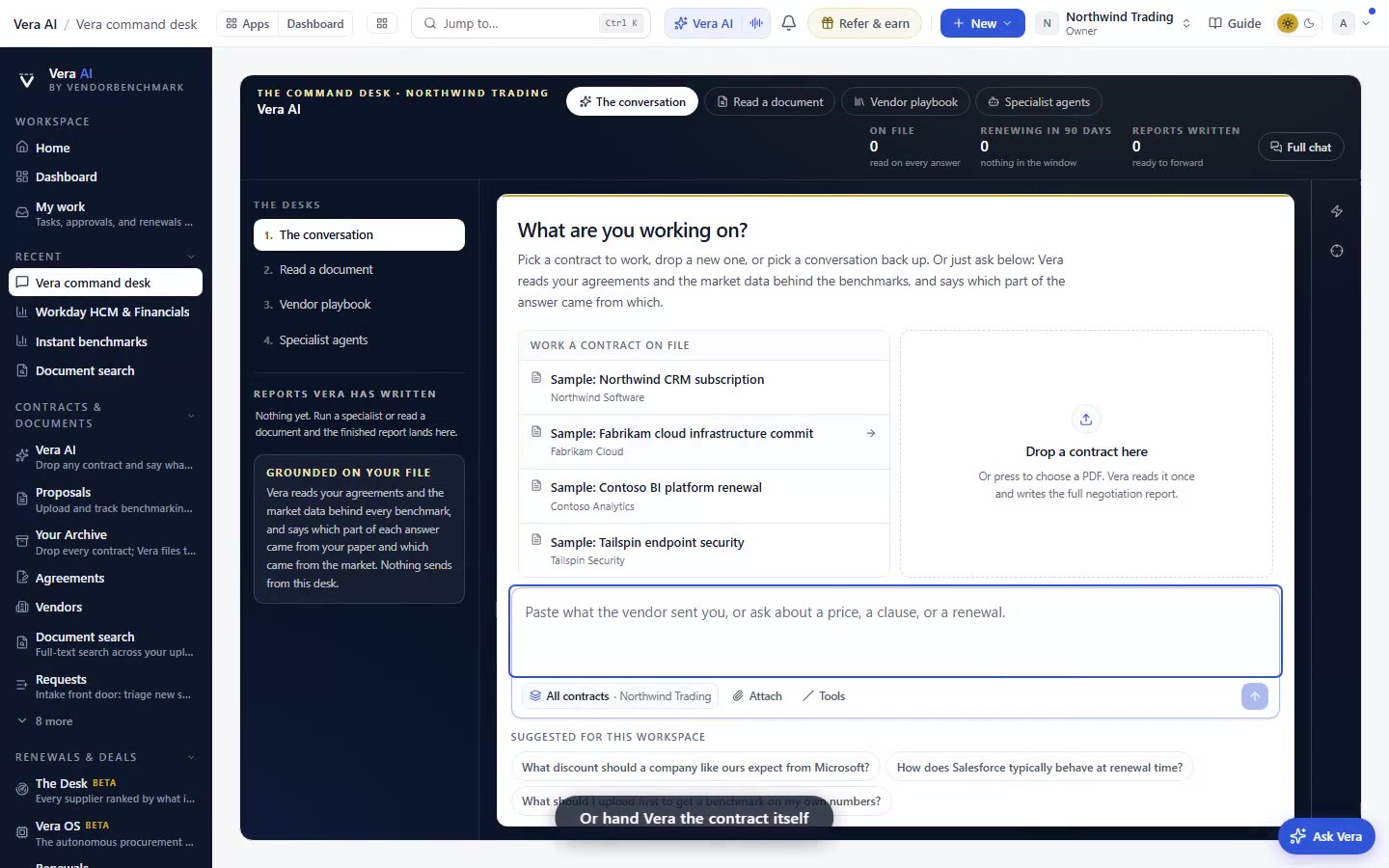
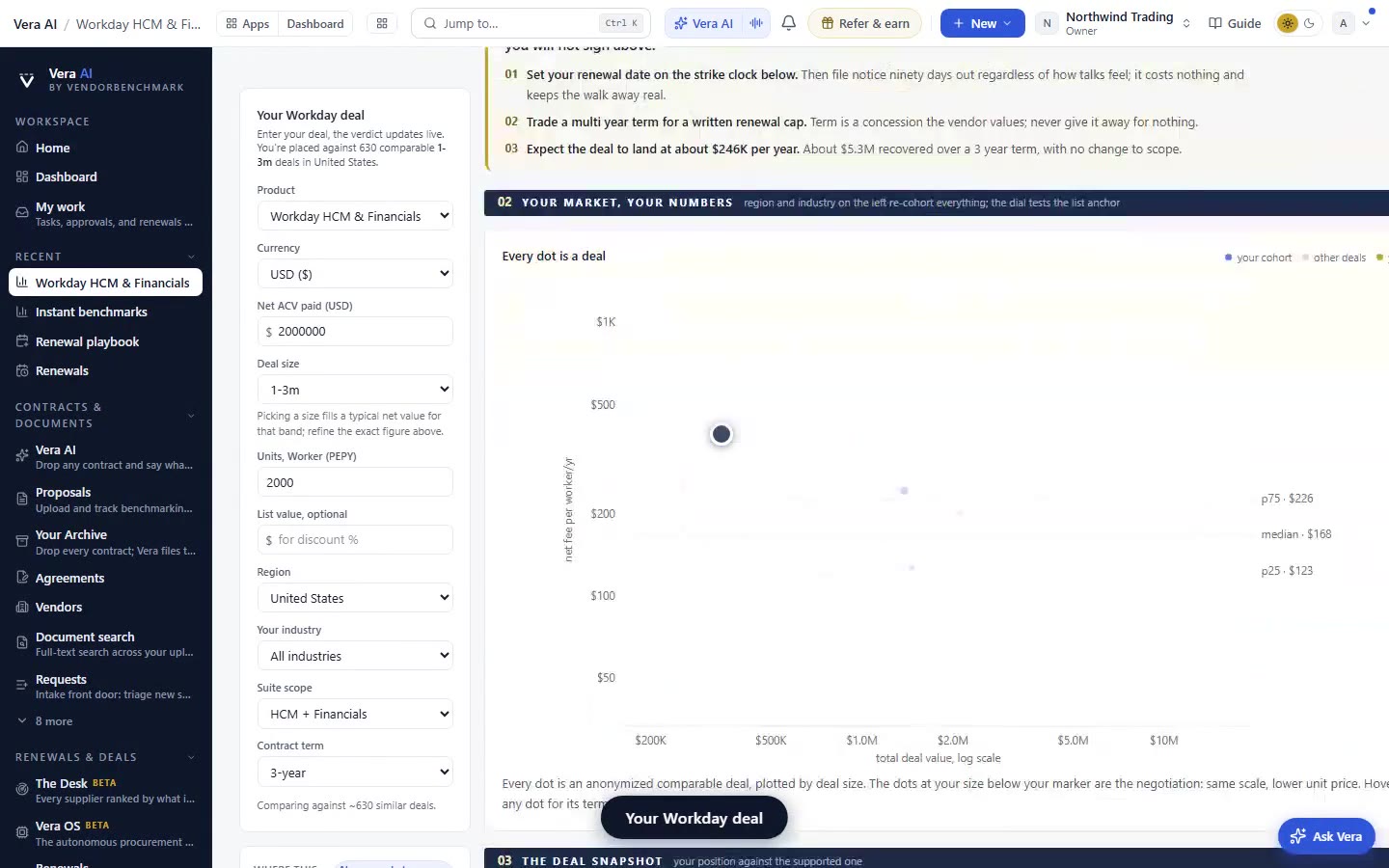
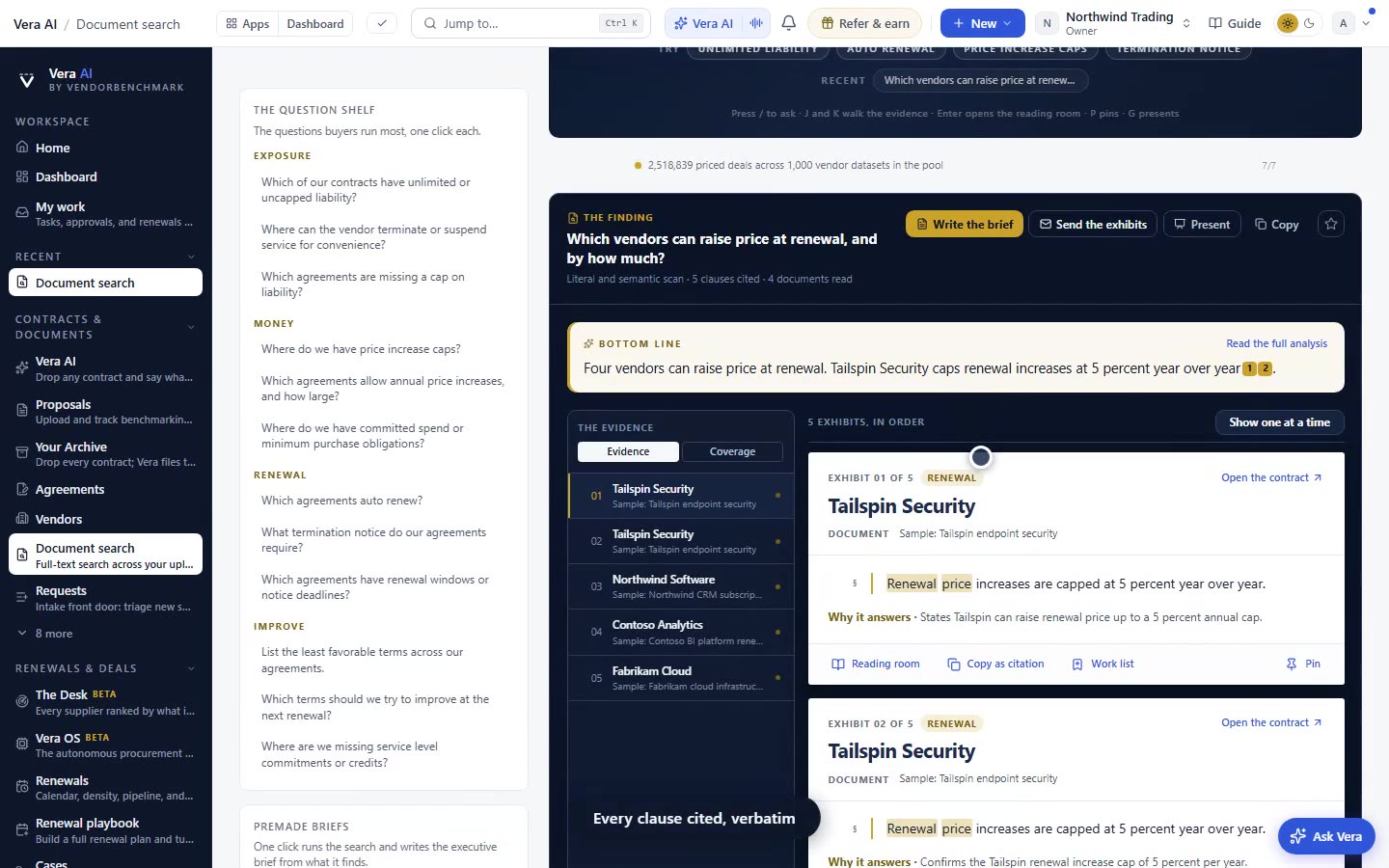
Nine new curves land, and the theme is what consolidation does to your leverage
Nine curve documents join the discount curve program across thirteen tools. The through line is consolidation, and how quickly a merged vendor can erase a two paddle record that you can still lock today.
Here is the problem you already recognise. A category has two credible vendors, you have a spectacular price on file, and then a private equity house buys both of them. The competitive tension that produced your discount does not fade gradually. It disappears on the day the deal closes, and the merged vendor rewrites the curve at its own pace. If your paper has no lock rate, no escalator cap and no merger protection clause, you renew into a single vendor market with none of the leverage that got you here. This release is about catching that window while it is still open.
The curve library adds nine documents covering thirteen tools. Three consolidation files anchor the set: enablement, workforce engagement and the enterprise low code tier. Each dataset is recalibrated to its August 2026 document, so you are negotiating against what the market is doing now, not what it did before the acquirer arrived.
Enablement, where a merged curve writes down a two paddle record
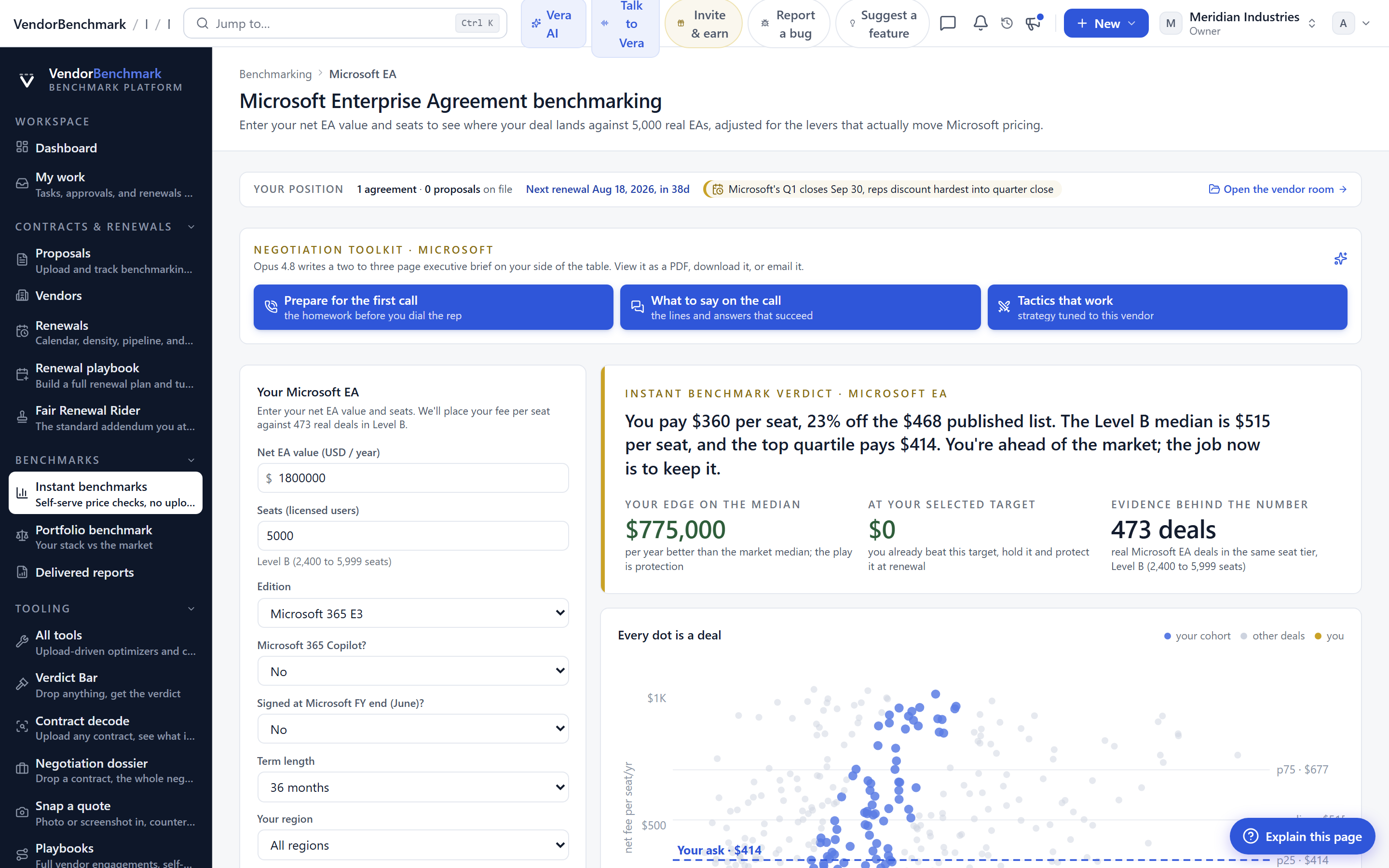
Seismic and Highspot merged under Permira in February 2026. Their shared curve now writes down the two paddle era, medians of 42 percent at 100 seats and 57 percent at 500 seats, before a single vendor market can erase that record. Those numbers are historical evidence of what real competition produced, and they are still usable on the table today if you move before your renewal. The instruction is direct. Lock rates, escalator caps and merger protection clauses on multi year paper, now, while the record is fresh enough to cite. You can read the full teardown on our Seismic benchmark page.
Why the urgency. A merged vendor does not need to raise your list price to erase your leverage. It only needs to let the escalator compound and let the co-term math quietly do its work. If you have not modelled the uplift, the write down happens on your invoice, not in a negotiation. Our note on caps, floors, and what compounding does to three years covers the arithmetic, and the co-term trap covers the date alignment that hands leverage back to the vendor.
Workforce engagement, one curve and a pending trigger
Verint and Calabrio now share one agent count curve, for the same consolidation reason. The remaining variable is the NICE evaluation, which is the trigger for Verint's separate competitive approval track. That track is worth a documented 8 to 15 percent, and it is contingent, so it belongs in your model as a conditional path, not a guaranteed discount. Treat it the way you would any competitive alternative: real enough to cite, uncertain enough to caveat. The curve is built on agent count rather than seats, which matters because your headcount and your billable count are rarely the same number.
The low code tier, where modeling beats the discount
The enterprise low code tier lands as a single curve across Appian, OutSystems and Mendix. Here the honest observation is that the discount is not the decision. How you model the same workload as user tiers, Application Objects and consumption decides more than any headline percentage. Two vendors can quote the same nominal discount and produce materially different three year totals depending on which meter your workload trips. And Microsoft's Power Apps shadows every deal, so the alternative is not another named low code vendor, it is the platform your organisation may already own. Measure that switching cost before the incumbent prices it in. Our note on measuring switching costs is the starting point.
The re benchmarked set, AI repricing and billing traps
The remaining tools capture the AI repricing era and the billing mechanics that quietly inflate your spend. Box is re benchmarked onto the AI repricing era, with AI Units metered since October 2025, so a curve that ignored consumption is no longer honest. Everbridge bills your own roster, which means departed employees keep paying until you reconcile, a reconciliation problem more than a discount problem. Airtable's documented seat architecture case cut 25 billable seats to 6, evidence that seat definition is where the real money sits. Canva carries the shock repricing that lost, a useful record of what over reaching looks like when a buyer pushes back. Grammarly and UserTesting complete the set.
The pattern across all of them is that the discount line is no longer where the leverage lives. It lives in the meter, the roster and the seat definition. If your AI knows your price before the vendor's does, you negotiate the mechanics rather than the percentage. Our piece on the vendor's AI already knowing your price sets out why that balance is shifting.
The honest limits
Three limits are worth stating plainly. First, the enablement medians are a record of what two paddle competition produced, not a promise that a merged vendor will still offer them. They are your anchor and your evidence, but the merged entity can decline to match its own history, and your leverage on multi year paper is what forces the conversation. Second, the NICE evaluation is a live trigger. Until it resolves, the 8 to 15 percent competitive track is contingent, and modelling it as certain will overstate your position. Third, the low code curve tells you the discount, but the discount is the smallest of your decisions there. If you model the wrong meter, a strong percentage still produces a weak three year total. Use the curve to set the target, then do the workload modelling yourself, because no library can know your consumption shape better than you do.
What has not changed is the workflow. These nine documents slot into the same benchmark library you already use, feed the same negotiation dossier, and sit alongside the clause positions you draw from. The Negotiation Craft disciplines apply to a merged vendor exactly as they apply to a competitive one, with one addition: consolidation compresses your timeline. Move before the renewal, not after.
Want to be updated when major licensing and pricing changes land? One analyst brief a week: the price rises, metric changes and audit campaigns that move software costs. Work email only.
Morten brings two decades of enterprise and software procurement, with stints across Oracle, IBM, SAP, and Salesforce shaping how he reads a deal. He has led sourcing through hundreds of renewals, from mid market order forms to nine figure global agreements, and learned that the buyers who win are the ones who walk in knowing the market. He built VendorBenchmark to make that pattern recognition repeatable.