Ask by email: thirteen inbox agents that answer with a white paper.
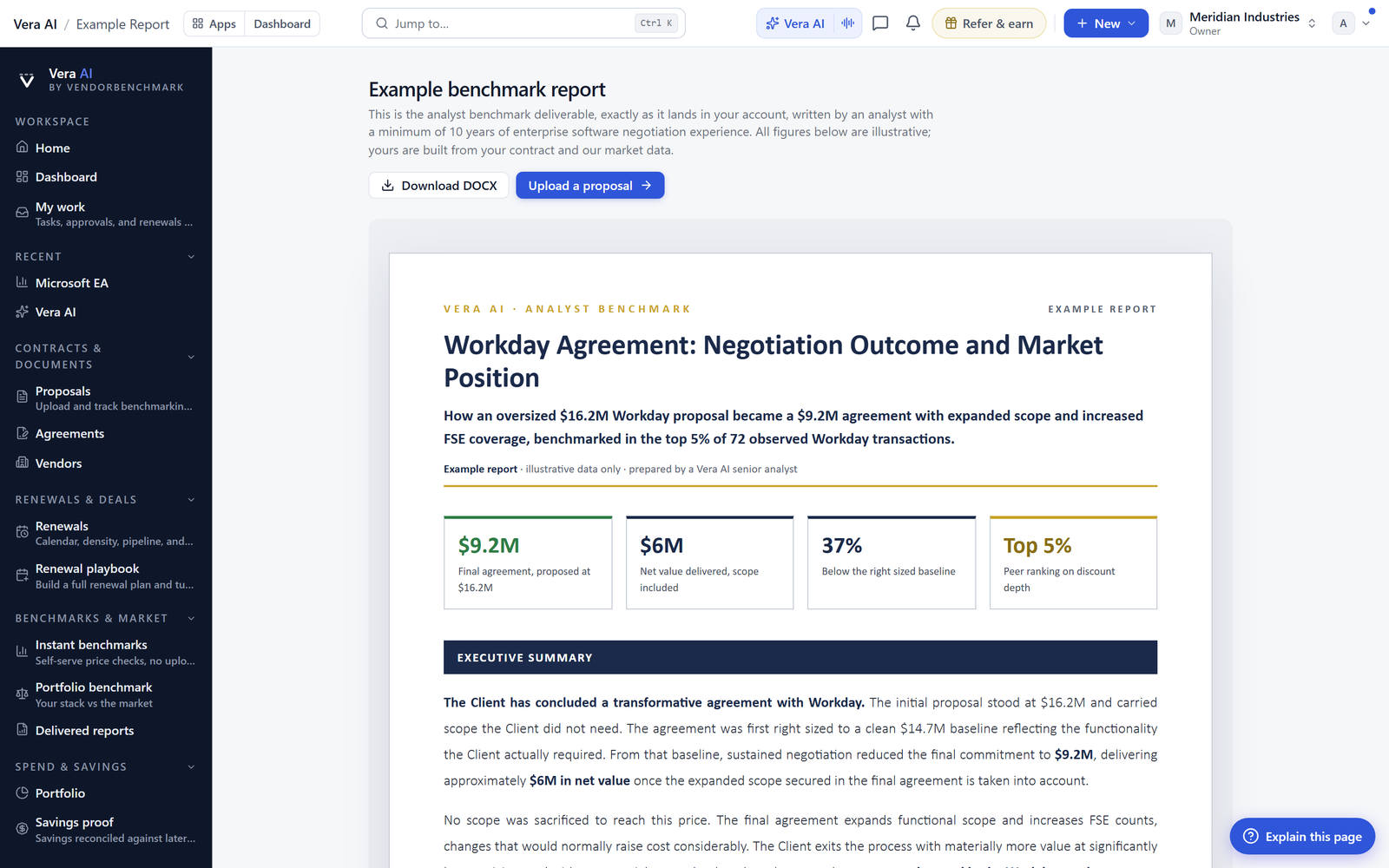
Every enterprise tool dies the same death: it demands a new habit, and habits lose to inboxes. So the desk's lowest-friction door is the inbox itself. Forward a vendor quote to the price check address and a grounded, cited verdict comes back as a document, no login, no training, no behavior change at all.
Consider where procurement questions are actually born. Not in a procurement tool. They arrive in email: a vendor quote lands in a budget owner's inbox, a manager forwards a renewal letter with "does this look right to you?", a director gets a proposal an hour before the call that discusses it. The question exists, urgently, in the inbox, and the tool that could answer it sits behind a login the asker may not have, in a tab they will not open, requiring a workflow they were never trained on. So the question gets answered the traditional way: by whoever happens to reply first, with whatever they happen to remember.
The ask-by-email agents collapse that distance to zero. Each one is an address. Forwarding to an address is not a new habit, it is the oldest habit in corporate life, and that is the entire design.
Ten addresses, each with one job
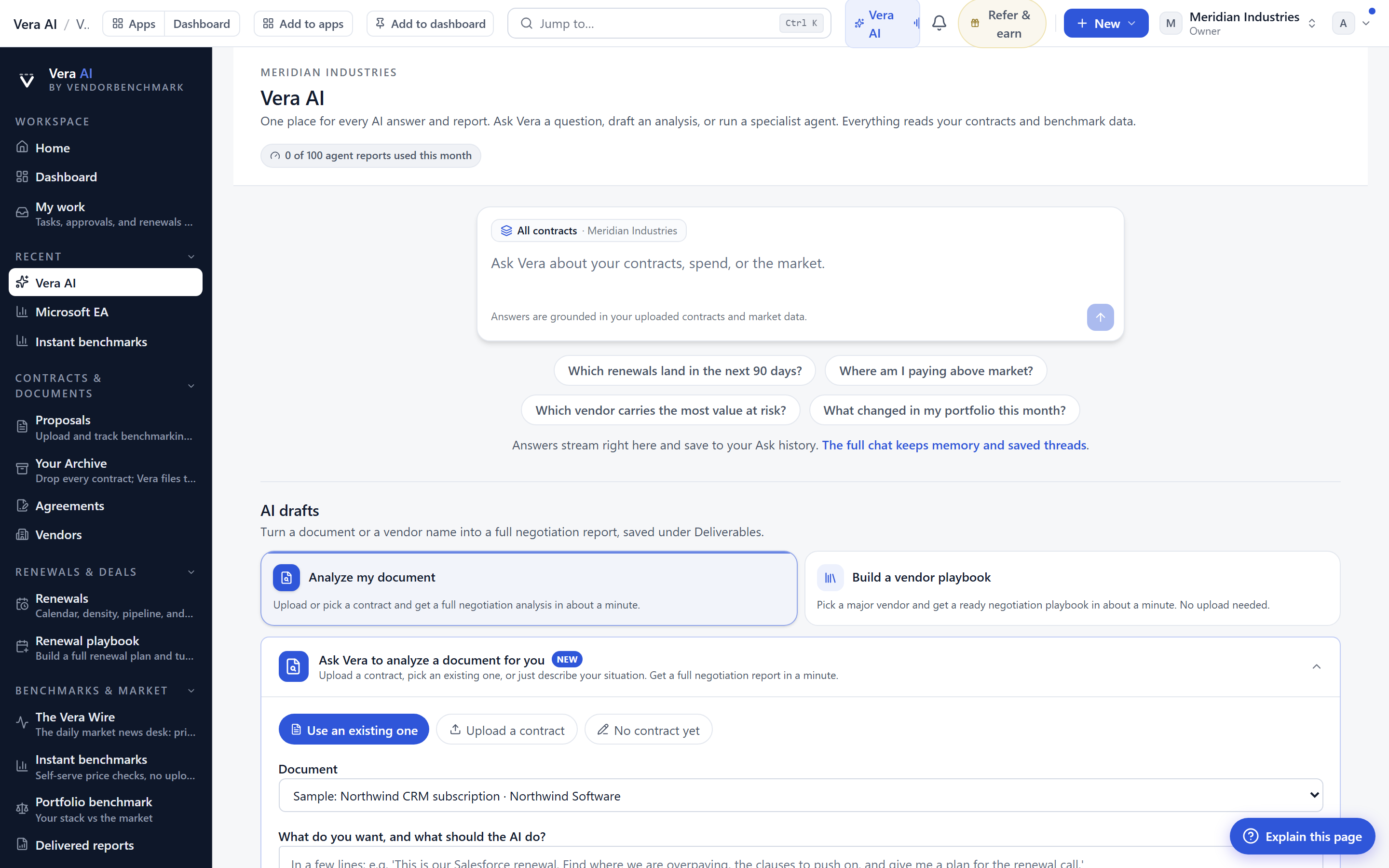
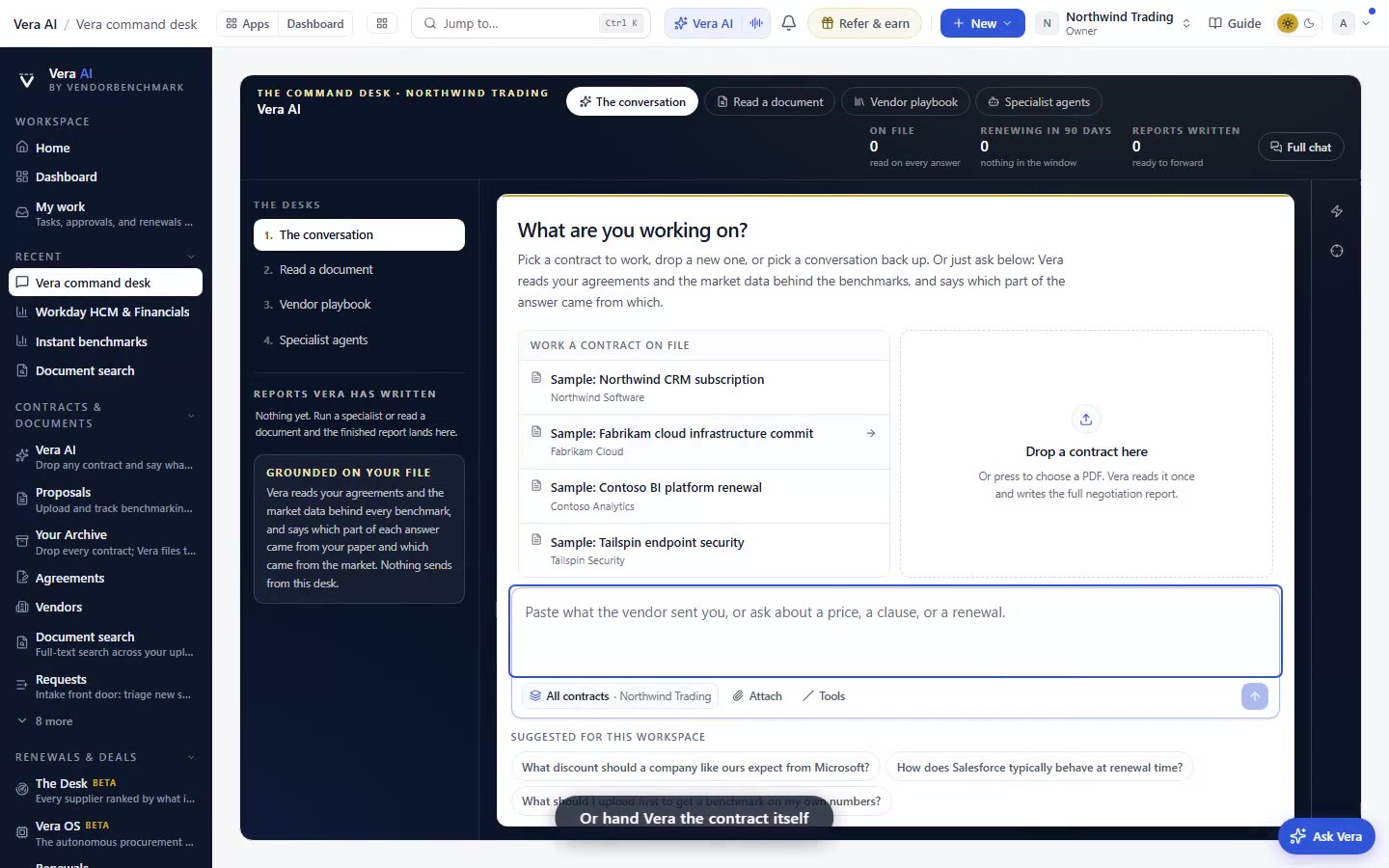
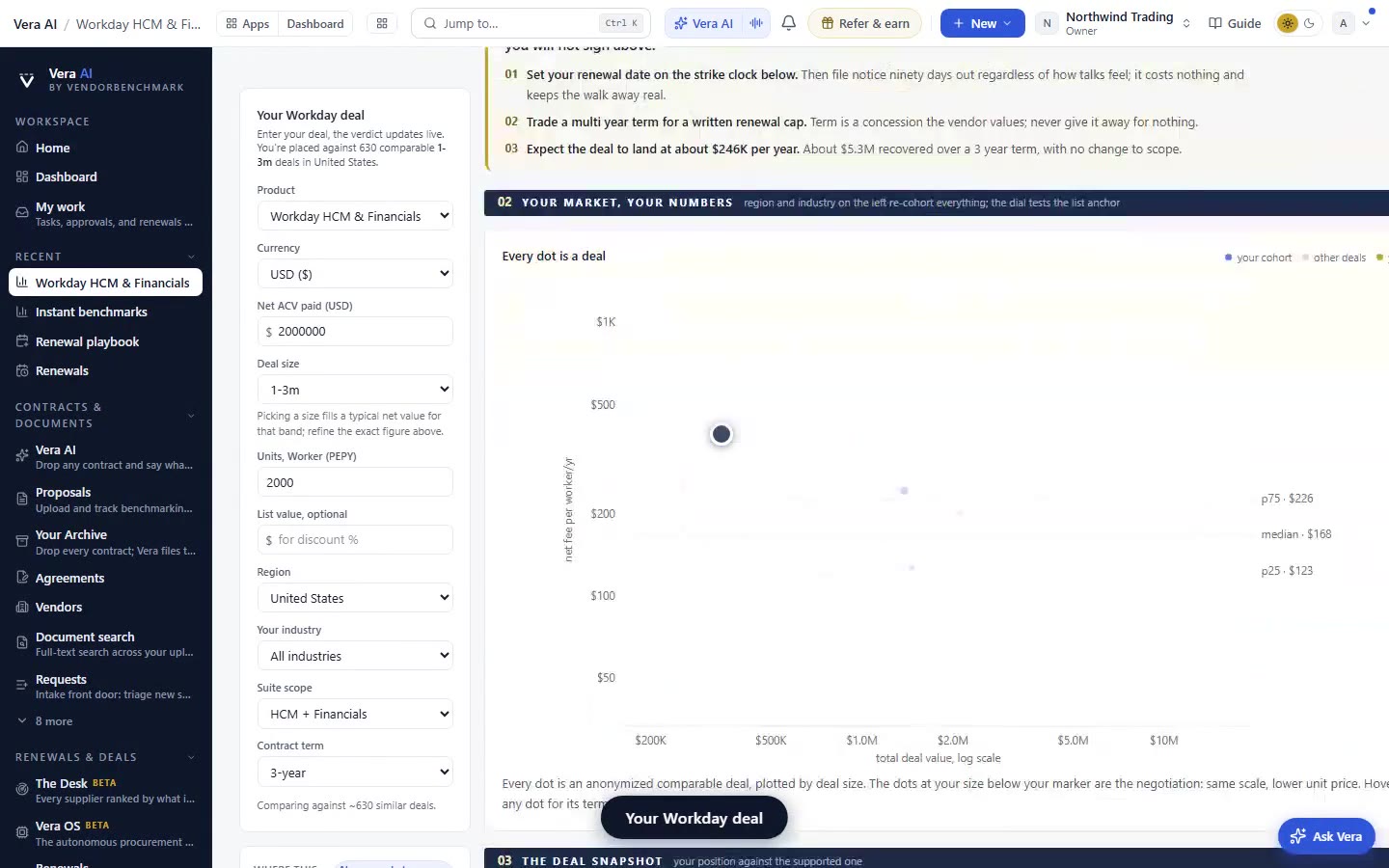
The gallery covers the questions that actually get forwarded. The proposal price check takes a quote or order form and returns the verdict: what it costs per unit, where that sits against the closed-deal cohort, and whether to sign, push, or walk. The discount sanity check answers the narrower classic, "is 30 percent off actually good?", with the only honest answer, which is what the net price says against the market. The risky-terms scan reads the attached contract the way the decoder does and replies with the clauses to challenge. The should-we-buy adviser takes a half-formed "the team wants this tool" and returns the considerations, the alternatives already in your estate, and the questions to ask before anyone requests budget.
The rest of the roster rounds out the desk: the executive summary turnaround that converts a forty page proposal into the one-pager your sponsor will actually read, and the remaining specialists for renewal letters, invoice queries, and vendor comparisons. Ten addresses, one behavior: forward the thing, get the analysis.
And the reply is not a chat bubble. It comes back as a white-paper answer: structured, figure by figure cited, in the exec-brief format, because an email reply is a document by nature, it will be forwarded, quoted, and pasted into the meeting notes, and it is held to the document bar. The same grounding rules apply as everywhere else on the platform: numbers trace to cohorts or stored documents, and thin data produces an honest refusal rather than a confident guess.
Want to be updated when major licensing and pricing changes land? One analyst brief a week: the price rises, metric changes and audit campaigns that move software costs. Work email only.
Where the inbox agents sit on the desk
It helps to place them precisely, because the platform has three email surfaces and they do different jobs. The ghost writer owns live deals: each negotiation has its own address, and forwards there update the ledger and draft counters with full thread memory. The intake address owns new purchase requests, with triage behind it. The ask-by-email gallery owns everything else: the standalone question, from anyone, about anything with a number or a clause in it.
That "from anyone" is the strategic part. The people forwarding quotes to the price check address are budget owners, engineering directors, and department heads, people who will never log into a procurement platform and should not have to. Every answer they receive is procurement's standards applied at the moment of the question, months before a bad deal would otherwise reach the desk as a signed fait accompli. Teams that publish the addresses in their intranet and wire them into the finance team's signature blocks are, in effect, distributing an analyst to every inbox in the company, and the analyst never tires of the same question.
Everything lands in the record, too. Replies are logged against the vendor where one is recognized, so the quote someone checked in March is part of the vendor's history by the time the deal team engages in June, and the background watches pick up anything the answer flags as worth watching.
Four habits that compound the value
The honest limit is scope: an email agent answers the question in the email, from the documents attached and the market data behind it. The estate-wide analysis, the multi-document review, and the live negotiation belong in the workspace where the full case file lives. What the addresses solve is the older, larger problem, that most procurement questions were never asked at all, because asking cost more than guessing. Now asking costs a forward, and it is remarkable what a company learns when questions become free.
Fredrik has spent more than twenty years in enterprise software, with time at Oracle, IBM, SAP, and Salesforce before moving to the buy side. He structured and priced the kind of large agreements most buyers only see once or twice in a career, which taught him where the leverage sits and how far a vendor will actually move. He started VendorBenchmark to hand that knowledge to every sourcing team.
The week in enterprise software buying, in one email.
What shipped on the platform, and the pricing and licensing moves worth knowing before your next renewal. One email a week, to your work address. Unsubscribe any time.