The ghost writer: forward the vendor email, get the counter in your voice.
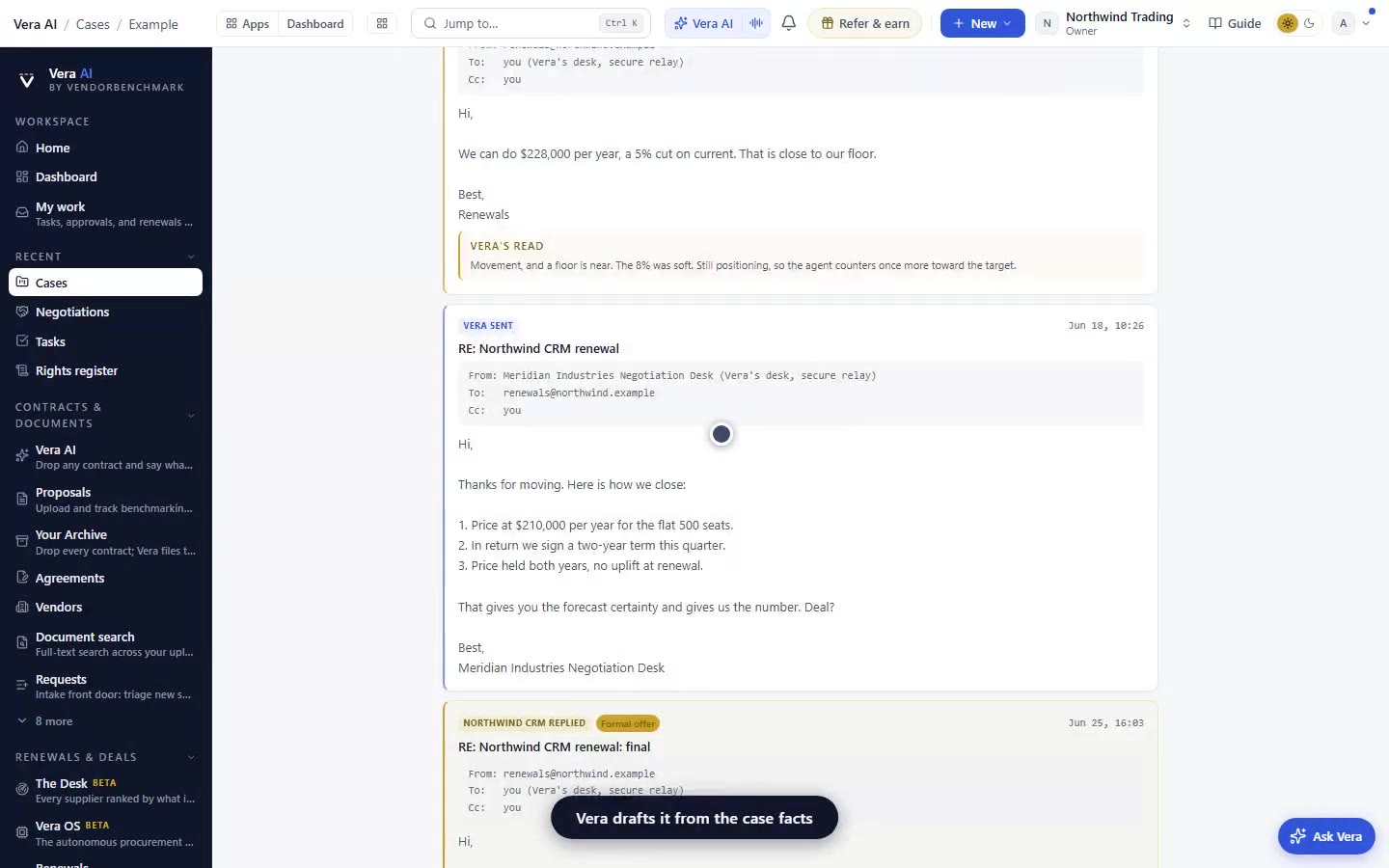
The renewal will be decided across forty emails, and the vendor writes theirs fresh each morning with a deal desk behind them. Yours get written at 4:50 on a Friday, from memory, tired. The ghost writer changes whose conditions apply: forward the email, and the reply comes back drafted in your voice, with the tactic named and every concession logged before you have read past the subject line.
Vendor emails in a live deal are not correspondence, they are moves. The Friday afternoon send hoping for a weekend-softened reply. The "great news" that repackages the same number. The deadline that happens to be the rep's quarter end wearing your fiscal calendar as a disguise. The small favor asked mid-thread that becomes "as agreed" three weeks later. None of these moves is sophisticated, and all of them work, for one reason: the buyer answers alone, in the gaps between other work, against a sender whose entire week is this thread.
The classic advice is discipline: never reply same-day, always reread the thread, log everything. Correct, and nobody sustains it for eleven weeks across six concurrent renewals. The ghost writer makes the discipline structural instead of heroic. Every deal in the war room gets a private forwarding address, and anything the vendor sends goes there first, by habit, the way documents go to the scanner.
What happens in the minute after you forward
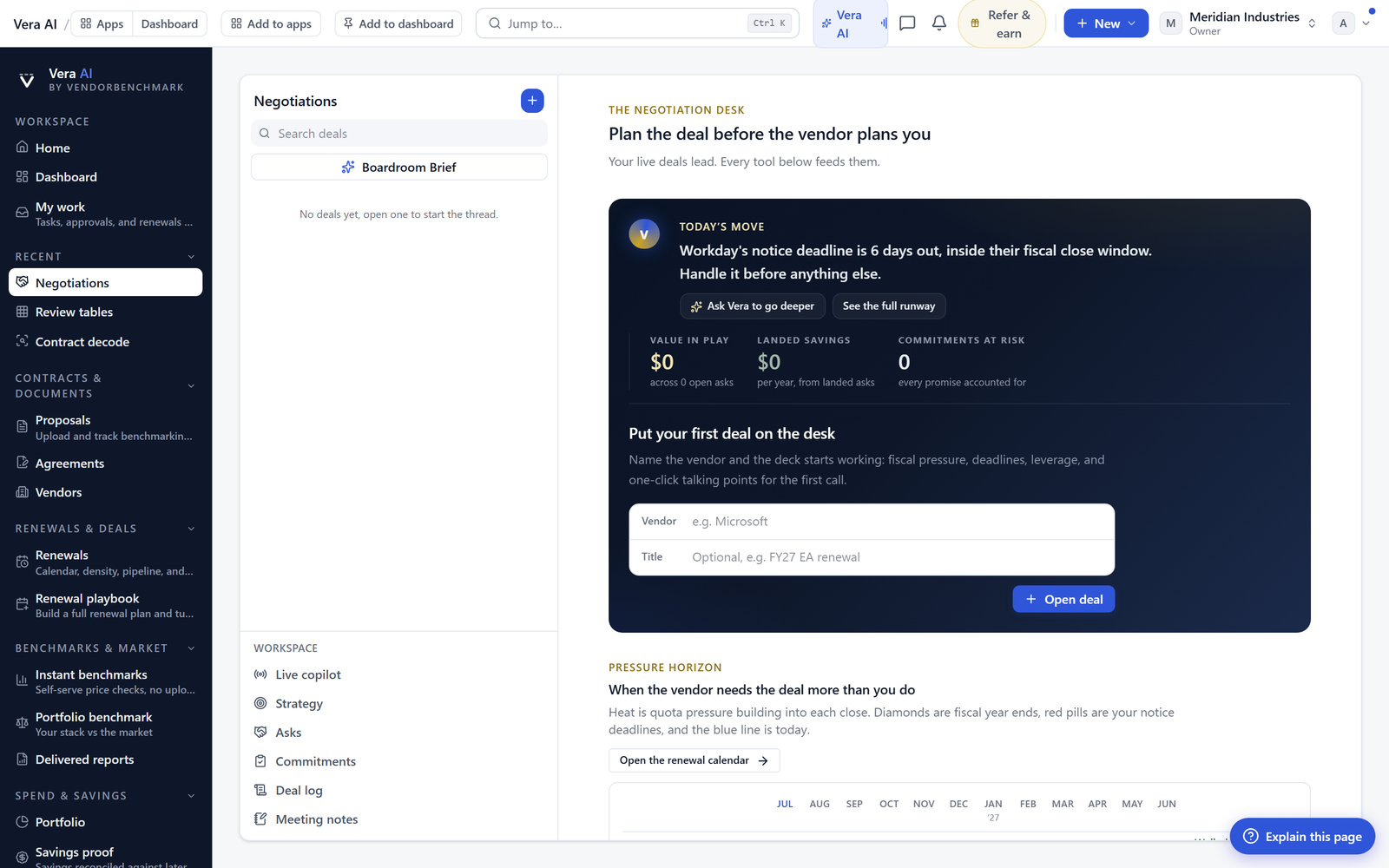
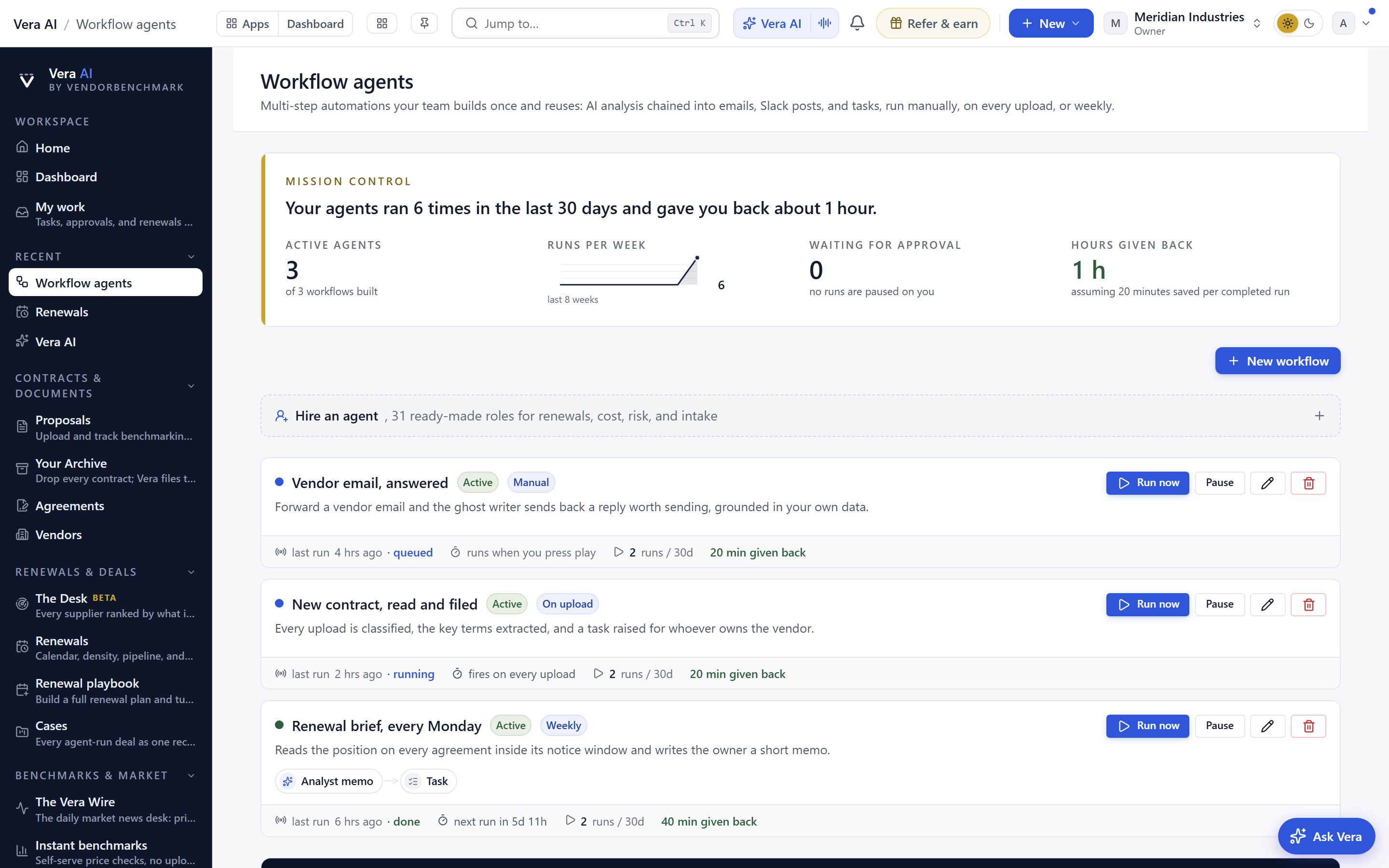
The tactic gets named. The message is classified against the standard repertoire: manufactured urgency, bundle expansion, the expiring discount, escalation-as-flattery, anchor reset, scope creep. Naming matters more than it sounds, because a tactic identified is a tactic mostly defused. "This is a quarter-end urgency play" is a calmer sentence to start from than an unexamined knot in your stomach.
The ledger gets updated before you do anything. Any concession offered or requested, any commitment made, any number that moved gets logged to the deal's concession ledger and commitment log automatically. This is the part that pays even when you ignore the draft entirely: the deal record stays complete without anyone doing filing, and "as we discussed" stops being a weapon that only works against you.
The counter arrives drafted, in your voice. Not template prose. The ghost writer has the whole thread, so the reply sounds like the person who wrote the previous eleven messages, holds the positions your side has already taken, and is grounded in the deal's actual state: the mandate, the benchmark percentile, the asks still queued. Where the vendor's claim touches a number, the number in the reply carries the same citation discipline as everything else on the platform.
Drafts, never sends: why the human stays in the loop
The ghost writer never sends. Every draft waits for a person to edit, approve, or discard it, and that is a design decision, not a missing feature. An email in a negotiation is a commitment device: once sent, it binds your side the way a signature almost does. The platform's standing rule, agents draft and humans send, exists precisely for moments like a live deal, where a plausible-sounding sentence with one wrong implication can cost the quarter's savings target. You are the sender of record, every time, and the audit trail records both the draft and what you did with it.
In practice the edit is where your judgment does its highest-value work. The draft handles the eighty percent that is structure, consistency, and recall: restating the position, declining the bundle, citing the benchmark, holding the queue. You spend your attention on the twenty percent that is relationship: the sentence that acknowledges the rep is also a person with a boss, the concession you choose to make warmly rather than grudgingly, the phrase you know this particular vendor reads as respect. The machine keeps the thread coherent. You keep it human.
Two habits get the most out of it. Forward everything, including the messages that need no reply, because the ledger's value is completeness. And when a thread turns hard, ask for alternatives: the ghost writer will draft the firm version and the warm version of the same counter, which turns a fraught blank-page moment into a choice between two finished options.
Four disciplines it makes routine
The honest limit: the ghost writer works the thread, not the room. The hard conversations still happen on calls, where the talking points agent preps you and the live copilot whispers, and the decision to hold, fold, or escalate remains exactly as human as it ever was. What the ghost writer removes is the tax on everything between those moments: the drafting, the recalling, the filing, and the Friday afternoon mistakes. The vendor's account team has written from a system all along. Now the thread has two professionals on it.
Morten brings two decades of enterprise and software procurement, with stints across Oracle, IBM, SAP, and Salesforce shaping how he reads a deal. He has led sourcing through hundreds of renewals, from mid market order forms to nine figure global agreements, and learned that the buyers who win are the ones who walk in knowing the market. He built VendorBenchmark to make that pattern recognition repeatable.
The week in enterprise software buying, in one email.
What shipped on the platform, and the pricing and licensing moves worth knowing before your next renewal. One email a week, to your work address. Unsubscribe any time.