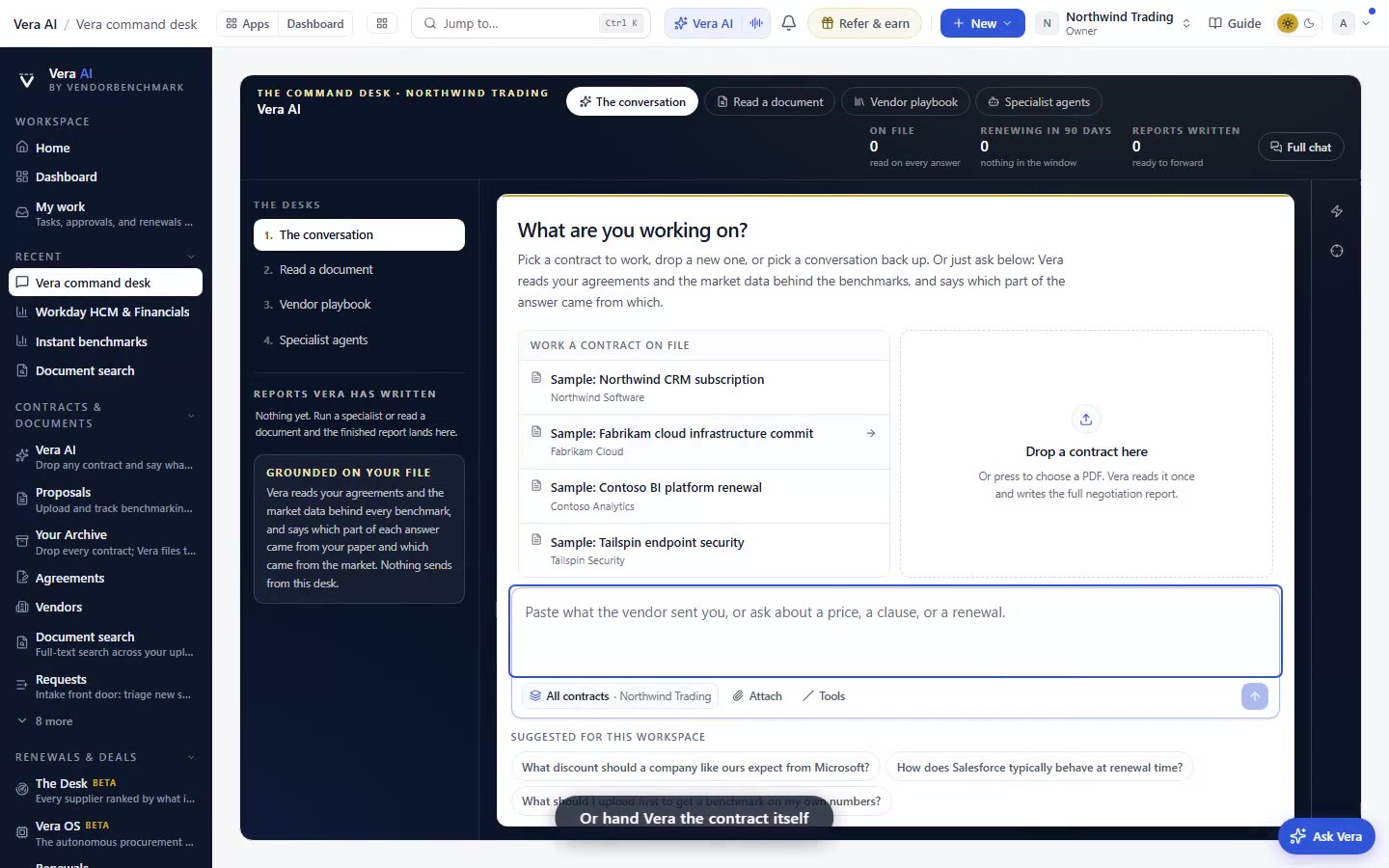
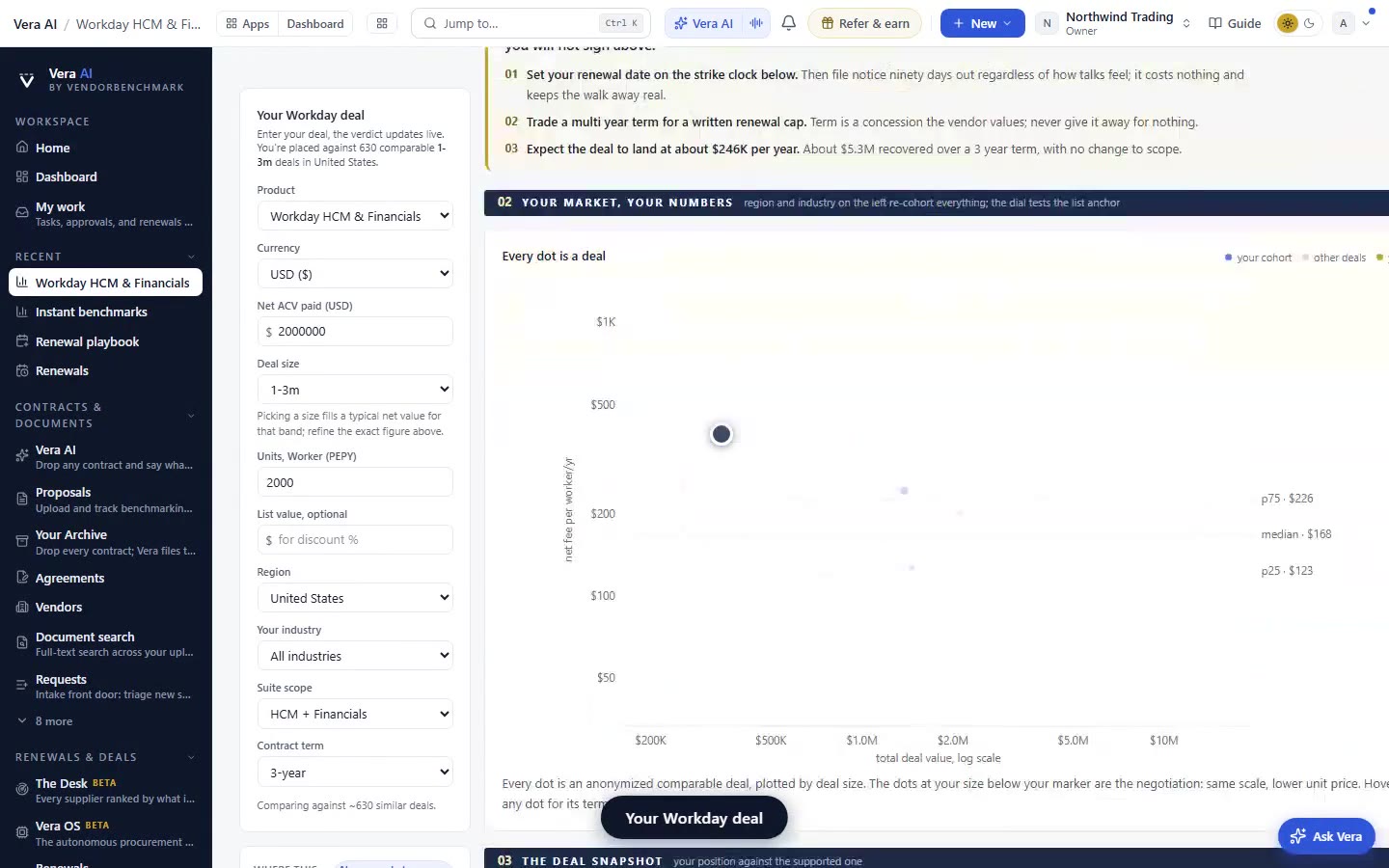
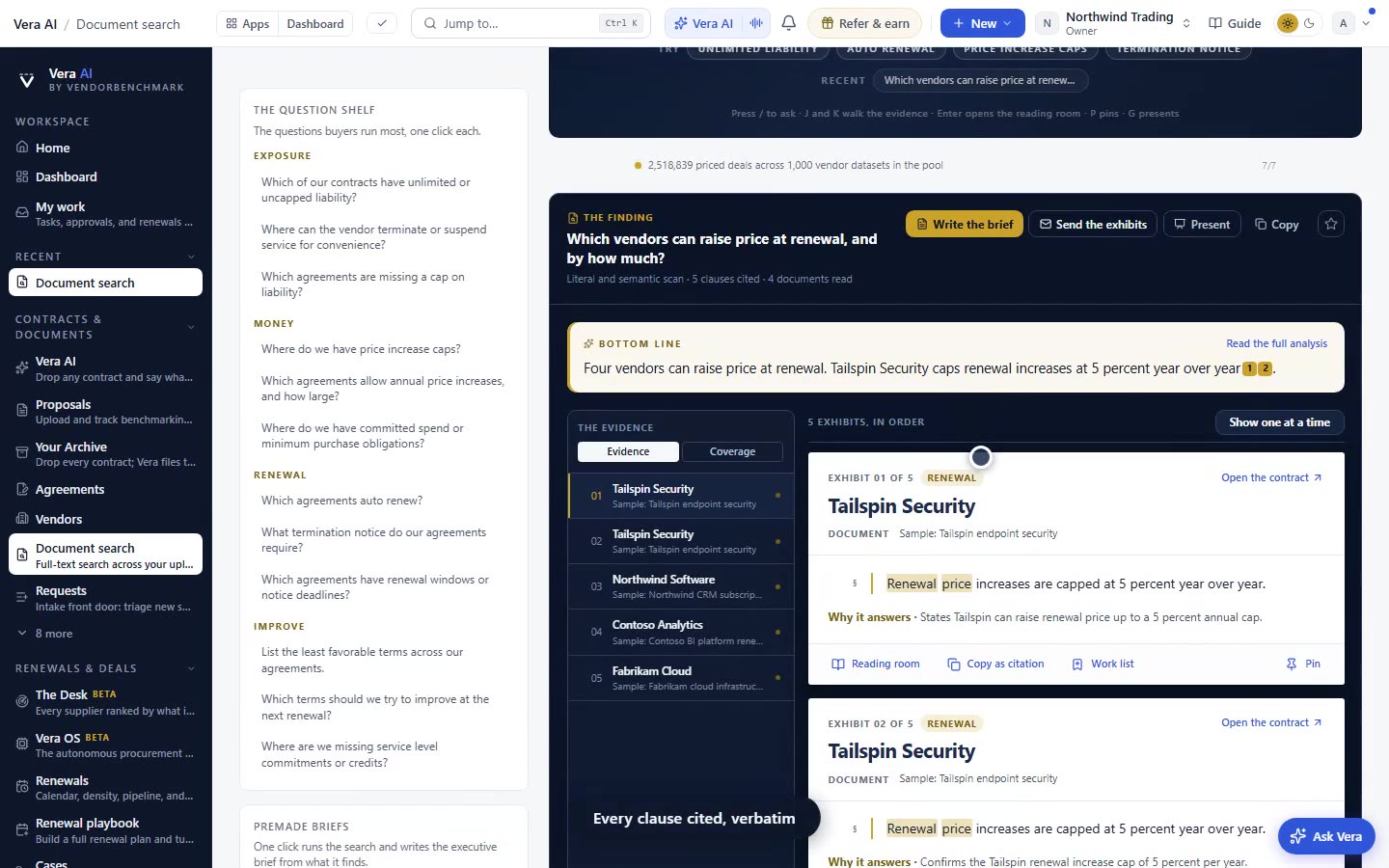
The usage number nobody measured, and the overage it turned into
A guessed usage figure is a commitment nobody validated. The gap between the guess and reality lands as an overage bill or an unused prepay, and both cost you.
Look at the last consumption deal you signed. Somewhere in the intake form there was a number: 18 million API calls a month, or 40 terabytes of storage, or 2.5 million records. Now ask the honest question. Who produced that number, and did they have access to the real telemetry when they typed it? In most weeks the answer is that a project lead estimated it, or a business owner rounded up from memory, or someone copied the previous year and added a buffer. Nobody pulled the actual usage graph. That guess then travelled into the order form and became a contractual commitment, and the vendor priced against it as if it were fact.
Why the guess exists in the first place
The person filling in the intake request is rarely the person who can see the meter. Consumption telemetry usually lives in the platform admin console, in a FinOps dashboard, or in the vendor's own usage portal, and access to those surfaces is gated. So the buyer asks the requester for a number, the requester does not have the telemetry either, and everyone treats a plausible guess as good enough to proceed. It feels harmless because the number is only an estimate. It stops being harmless the moment it lands on a signed order form, because the order form does not carry a footnote saying this figure was never checked.
This is the same failure mode we described in the seat count nobody verified, only worse, because consumption moves continuously. A seat count is at least a countable headcount you can reconcile against an HR system. API calls and storage grow and shrink with product behaviour, with a marketing campaign, with a data retention policy nobody told procurement about. The guess is a snapshot of a moving target, and it is usually stale before the ink dries.
Why the gap costs you either way
A guessed usage number is wrong in one of two directions, and both directions have a price. Guess too low and you commit to a tier that reality outgrows, then the overage rate applies. Overage rates are almost always the least negotiated line in the contract, because at signing nobody expected to trigger them, so they sit at list or above. Guess too high and you prepay for capacity the business never touches. The unused prepay does not refund itself. At the next true-up you either forfeit it or roll it forward, and rolling it forward simply postpones the same conversation with a larger unused balance behind it.
The reason this persists is that the gap is invisible until the invoice arrives. Nobody reconciles committed usage against measured usage during the term unless something forces them to. The commitment was made once, in intake, by someone who has moved on to the next project, and the meter keeps running quietly until an overage line or a renewal true-up surfaces the difference. By then the negotiating leverage is gone, because you are explaining a bill rather than shaping a commitment. This is why we treat consumption estimates the same way we treat a budget approved before anyone checked the market price: a number set in the wrong room, at the wrong time, with the wrong information.
Grounding intake in measured usage
The fix is to stop treating the intake number as an input and start treating it as a claim to be verified. The platform does this in two connected motions. First, spend visibility and invoice reconciliation pull the actual measured usage into view, so the commitment is checked against what the business is really running rather than what someone remembered. Second, Vera challenges the estimate directly, comparing the guessed figure to your billed history and to the consumption patterns of comparable deals before the number reaches the order form.
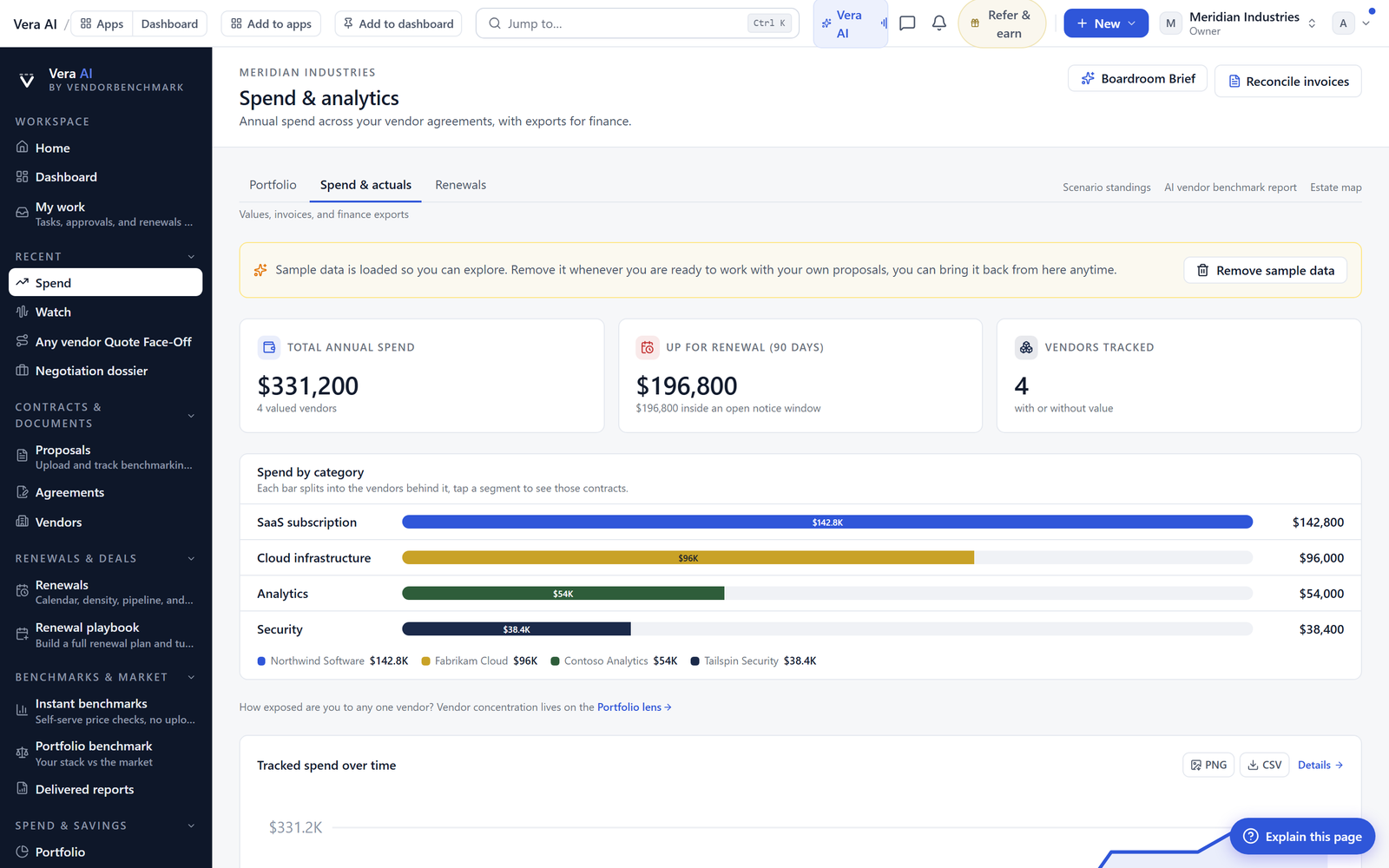
The point of the reconciliation is not to produce a prettier chart. It is to replace the guess with a measured baseline, so the commitment is anchored to a real trend line with a real growth rate you can defend. When the number in the order form matches the number in the invoice history, the vendor has nothing to price against except the truth, and the overage clause becomes a live negotiation rather than a footnote you find out about later.
What Vera actually challenges
Vera does not accept a consumption figure on trust. She asks where it came from, checks it against your billed history through invoice reconciliation, and sets it beside comparable deals so the estimate is bounded by what similar organisations actually consume. If the intake number is 18 million calls a month but your last twelve months averaged 11 million with a flat trend, she surfaces that gap and the prepay it would create. If your trend is climbing 6 percent a month, she flags that the guess is already stale on the low side and the overage rate deserves attention before signing.
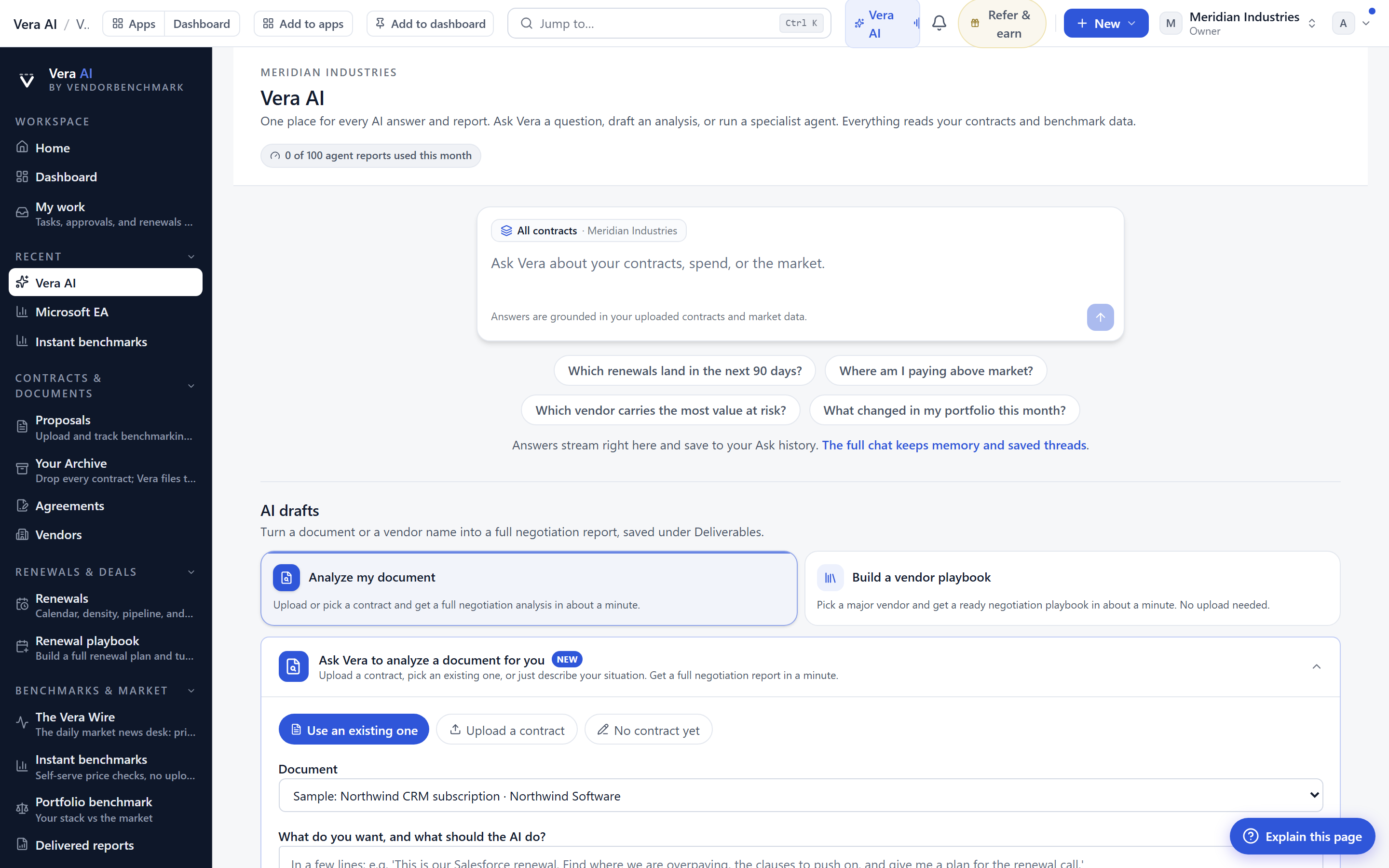
This is one of six specialist agents working the intake and reconciliation surface, backed by the same benchmark library and the 99 background jobs that keep spend and invoice data current. The mechanics resemble the commitment interview we run for Agentforce: answer a short set of grounded questions, then let the measured math replace the guess. For cloud consumption specifically, the same discipline sits behind our FinOps meets procurement position, where the commit is a shared decision made against real telemetry rather than a number one side invented.
What this does not solve
Grounding the number in measured usage fixes the guess. It does not predict the future. If your product launches a feature next quarter that triples API traffic, no reconciliation of past usage will see that coming, and only the business owner who knows the roadmap can tell you. The platform gives you an accurate baseline and a defensible trend, but the forward assumption still needs a human who understands what the business is about to do. Vera will flag when your growth rate makes a commitment risky, and she will show you the overage exposure, but she cannot commit to a roadmap she has not been told about.
The reconciliation is also only as complete as the data feeds behind it. If a consumption source is not yet connected, its usage is not measured, and Vera will say so rather than guess. The honest version of this platform is that it converts an unverified guess into a measured baseline plus a named uncertainty, and it will not pretend the uncertainty is zero. That is still a far better position than an intake number nobody checked, quietly hardening into a commitment you pay for twice. Pair it with daily billing watch and the gap between committed and actual stays visible for the life of the deal.
Fredrik has spent more than twenty years in enterprise software, with time at Oracle, IBM, SAP, and Salesforce before moving to the buy side. He structured and priced the kind of large agreements most buyers only see once or twice in a career, which taught him where the leverage sits and how far a vendor will actually move. He started VendorBenchmark to hand that knowledge to every sourcing team.