The renewal you forgot: recovering from a missed notice window.
It surfaces as an invoice: the contract renewed itself three weeks ago, at an uplift nobody approved, and the notice window everyone forgot is now a clause the vendor can quote. The year is not as lost as it feels. Here is what is actually still negotiable, the recovery in order, and how to make this the last time.
First, the emotional correction, because the mistake compounds fastest in the first week. A missed window triggers two bad reflexes: the panic call to the vendor, made angry and unprepared, and the quiet write-off, where everyone agrees to pretend the uplift was fine. The panic call burns leverage you still have. The write-off donates money you can still recover. The correct posture is neither: the term may be locked, but almost everything else about the year ahead is a negotiation that has not happened yet.
Second, the factual correction: read before you concede. A surprising fraction of "we are locked in" conclusions do not survive contact with the actual paper. That is where recovery starts.
Read first: what the contract actually locked
Run the agreement through the decoder before any conversation, because the renewal clause locks less than people assume, and four questions decide how much.
Did the renewal follow its own rules? Some contracts require the vendor to send a renewal notice or the new pricing in advance. If they did not, the "automatic" renewal may be contestable, and even a weak version of that argument is a strong opening for the conversation you are about to have.
What price did it actually renew at? The term may be locked while the price is not. If the contract caps increases and the invoice exceeds the cap, that is not a negotiation, it is a correction, and line-by-line reconciliation of the renewal invoice against the contract finds it in minutes. Where the price language is ambiguous, "then-current rates" with no rate ever communicated, ambiguity is your friend, not theirs.
What can still move inside the term? Quantities, editions, and modules are often adjustable at anniversaries or by amendment even when the term is fixed. A locked year at a right-sized count is a materially different loss than a locked year at last year's bloat, and the usage evidence funds that conversation.
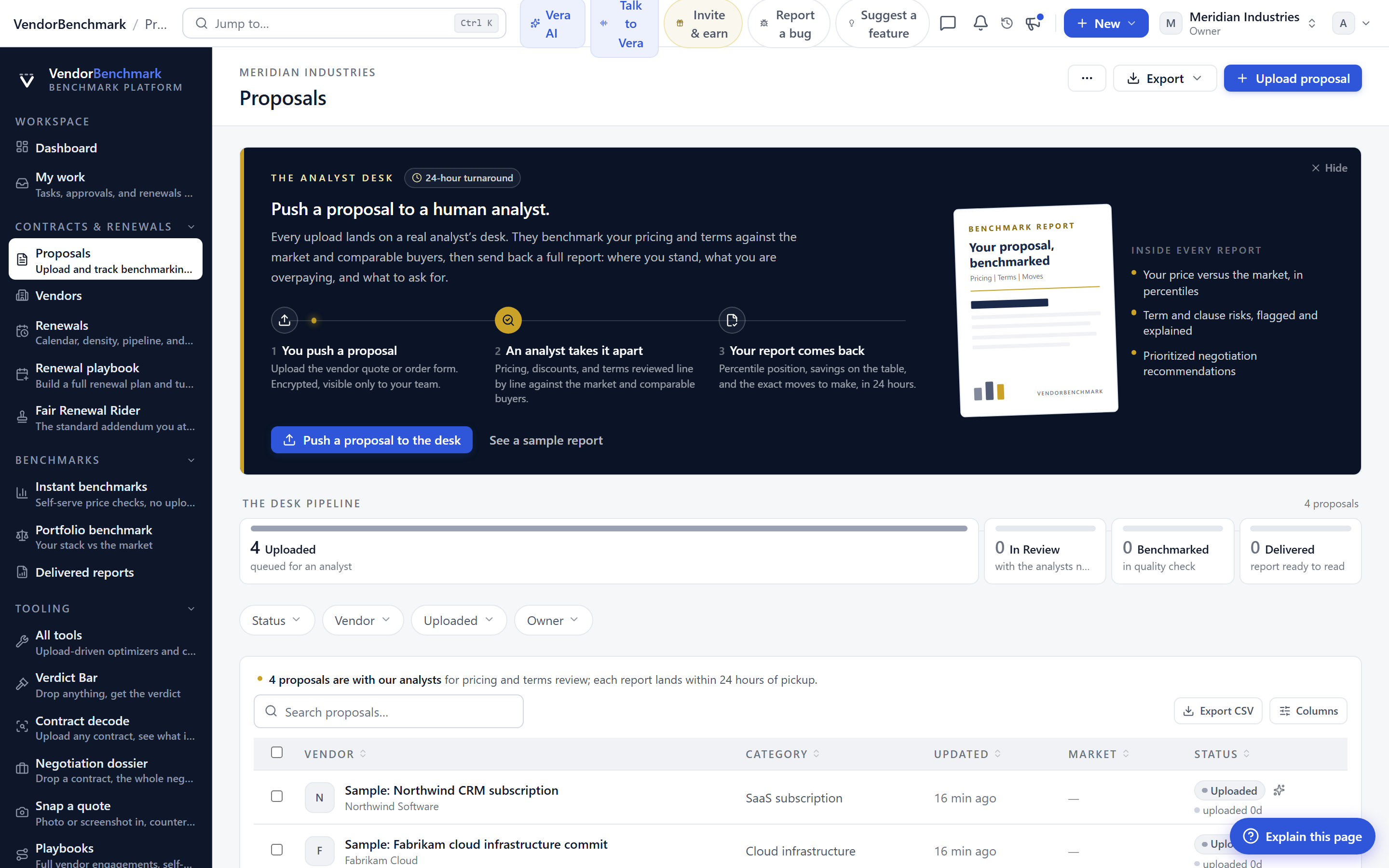
When is the next window? The recovery's real deadline is the next notice cutoff, which is now, today, the most important date on this vendor. It goes on the board before anything else happens.
Ask anyway: vendors trade late outs for futures
Here is what the clause-quoting instinct misses: the vendor's account team does not actually want a resentful customer serving a locked year like a sentence. Renewals harvested on a technicality convert poorly into expansions, references, and multi-year commitments, and the rep's own targets depend on all three. That gap between the vendor's legal position and its commercial interest is your working room, and the way in is to offer a future instead of begging about the past.
The asks that land, roughly in order of vendor willingness: a partial credit or price adjustment in exchange for an early multi-year renewal negotiated now, on your timeline, with real protections. A quantity or edition right-size inside the locked term, dressed as account health. Added value at no charge, the module, the training, the support tier, where cash will not move. And in every version, the rider terms attached to whatever gets signed, because the vendor's moment of magnanimity is exactly when notice discipline and cap language go in cheaply.
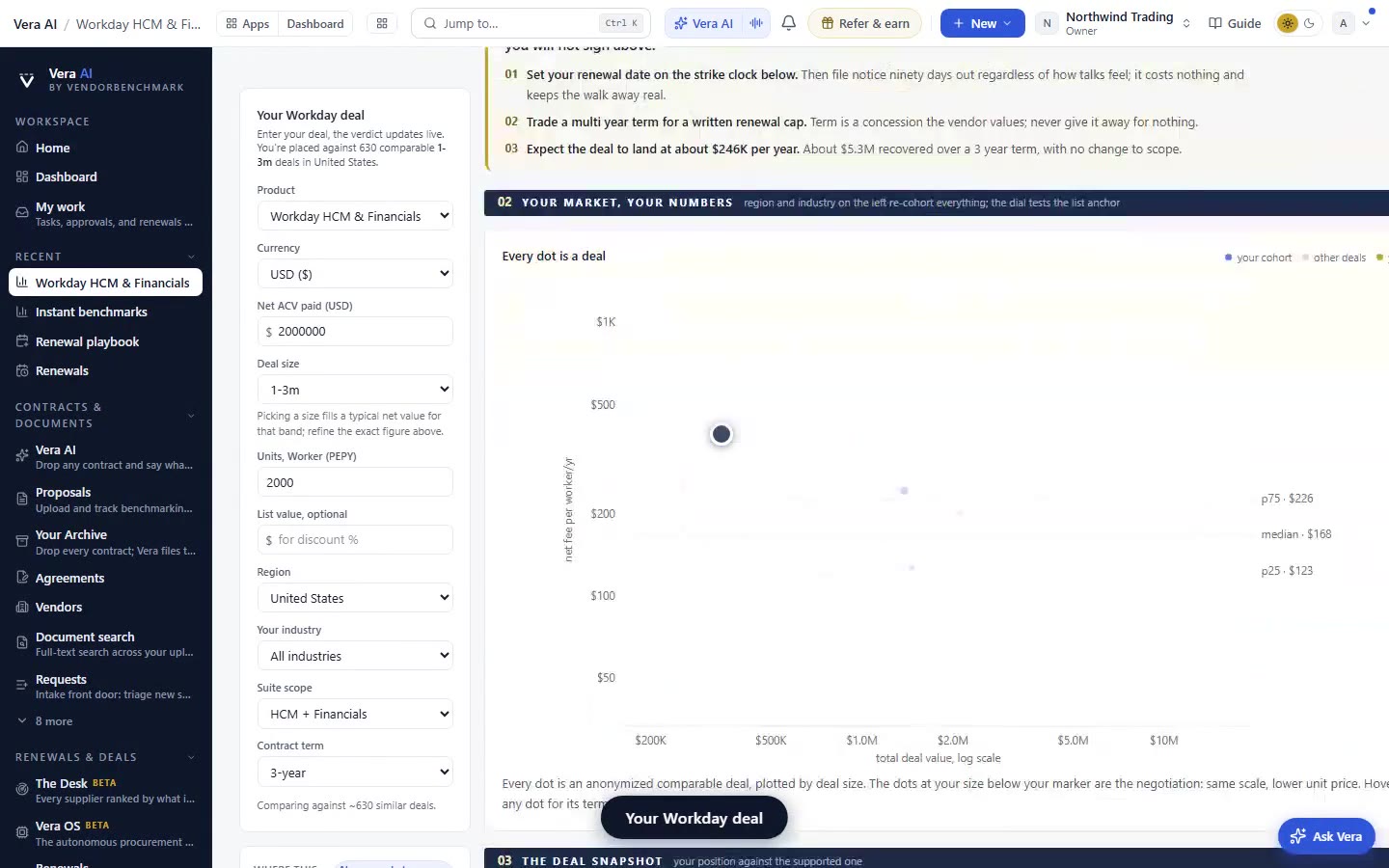
Walk in with the benchmark anyway. The renewal may be locked, but knowing the uplift took you from P58 to P31 turns "we are unhappy" into "this renewal moved us into the worst third of comparable deals, and here is what we need to stay a reference customer." Numbers make even a weak hand articulate.
Use the year you bought, in five moves
The honest limit: sometimes the paper is tight, the vendor is unmoved, and the year simply costs the uplift. Even then, the accounting is not what it feels like in week one. A missed window costs one year of one vendor's uplift. Left undiagnosed, the system that missed it costs that every year, across the estate, forever. Paying the tuition once is survivable. The only real failure is paying it without enrolling.
Fredrik has spent more than twenty years in enterprise software, with time at Oracle, IBM, SAP, and Salesforce before moving to the buy side. He structured and priced the kind of large agreements most buyers only see once or twice in a career, which taught him where the leverage sits and how far a vendor will actually move. He started VendorBenchmark to hand that knowledge to every sourcing team.
The week in enterprise software buying, in one email.
What shipped on the platform, and the pricing and licensing moves worth knowing before your next renewal. One email a week, to your work address. Unsubscribe any time.