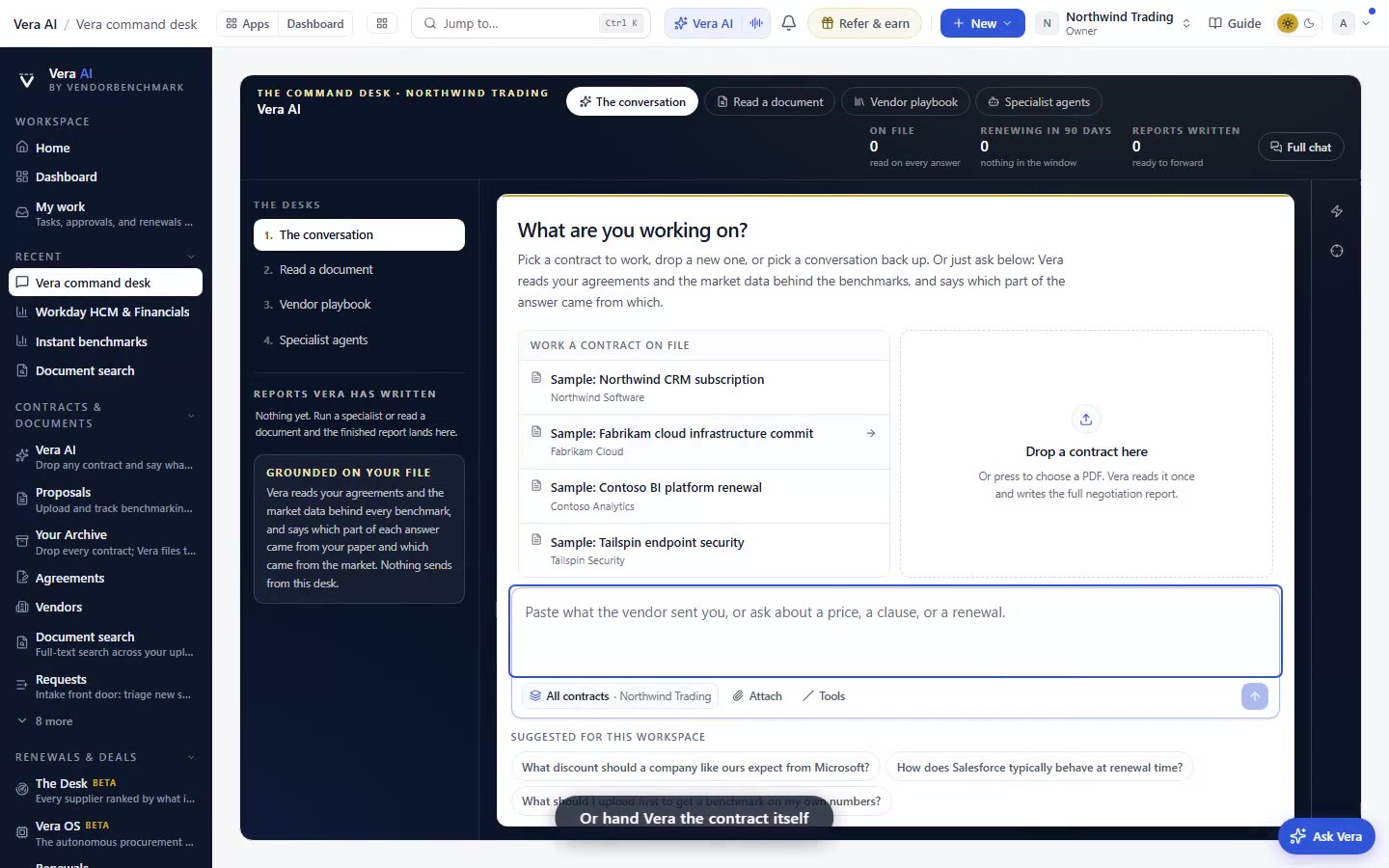
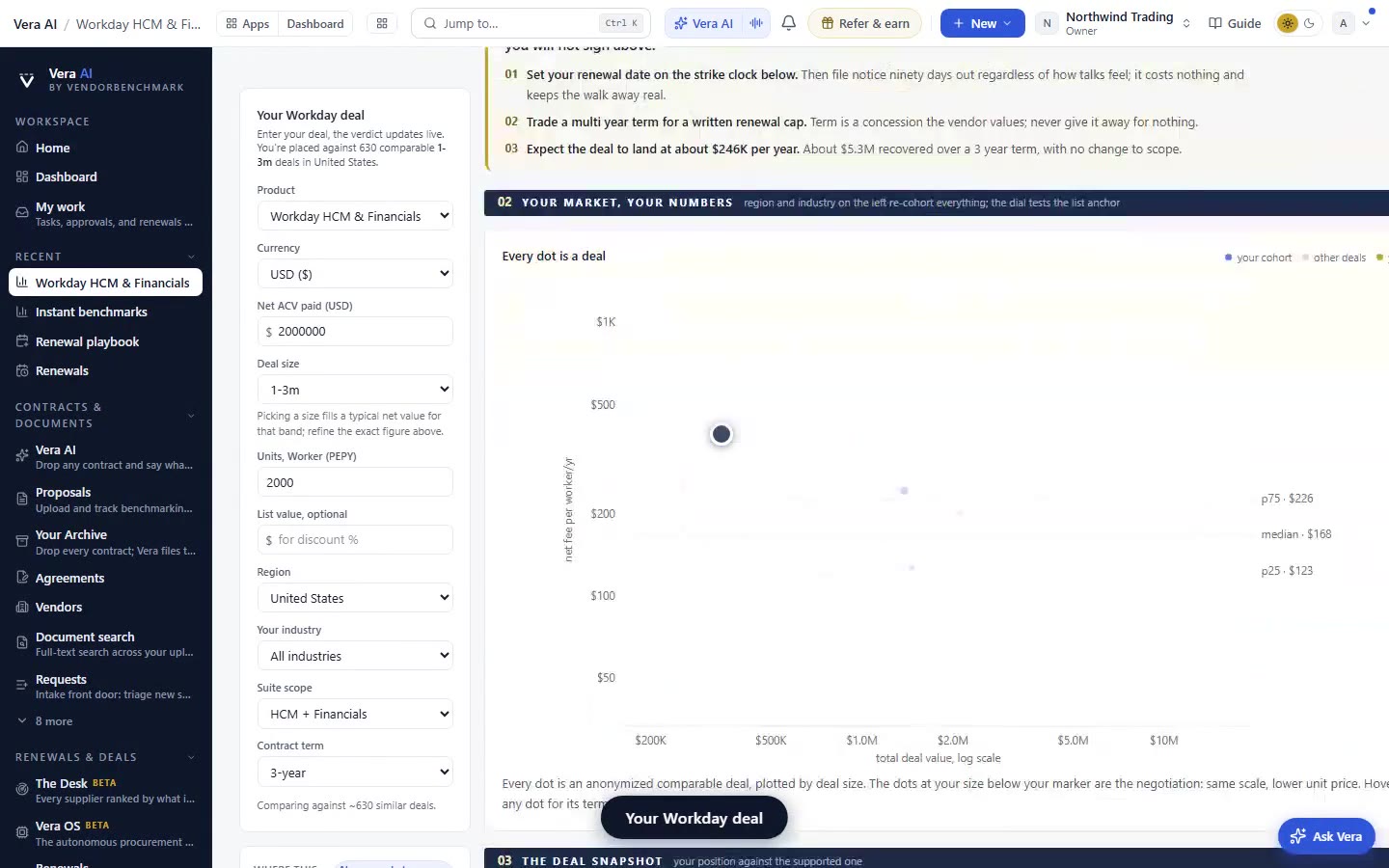
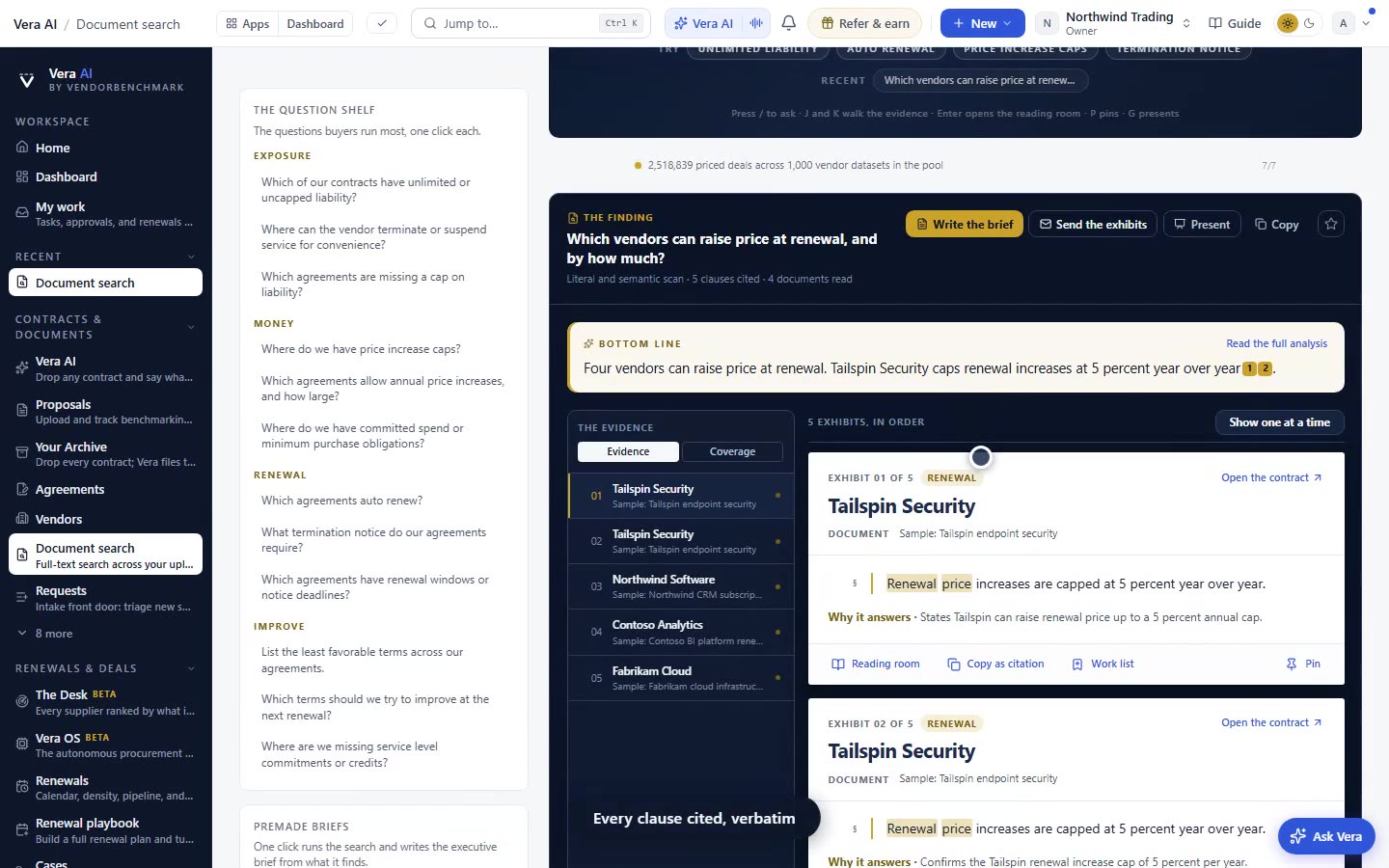
The Research Library Now Opens Every Paper It Holds
A quiet ceiling was hiding research you had already paid to collect. We lifted it, and the wall count now matches the shelf.
There is a specific kind of gap that costs you at the table without ever announcing itself: the research you own but cannot see. Our library holds 2,602 papers, and until this week it was showing you a thousand of them. Not a thousand as a curated sample. A thousand because the query that read the shelf returned at most a thousand rows in one request, and the counts painted on the wall were measured off that same page. That is why three different figures all read exactly 1,000. If you have been building a case on a vendor and felt the evidence thin out at a suspiciously round number, this post is your explanation and your fix.
A named problem: the thousand-row wall
Here is the problem stated plainly so you can recognise it. The library read its shelf in one request. The database returns at most a thousand rows at a time. The shelf therefore held the first thousand papers, no more, and every count derived from that shelf inherited the same ceiling. The counts on the wall, the papers on the shelf, and the search index all read off the same truncated page, so all three agreed on 1,000. Agreement is usually a sign of correctness. In this case it was a sign that all three were wrong in the same direction.
Search could not rescue you either, because search ran over the shelf, not the full database. A query for a vendor whose research sat in row 1,050 came back empty. Not because the paper did not exist, but because the paper was never loaded into the thing search looked at. This is the worst class of gap for a buyer, because absence of evidence looked identical to evidence of absence.
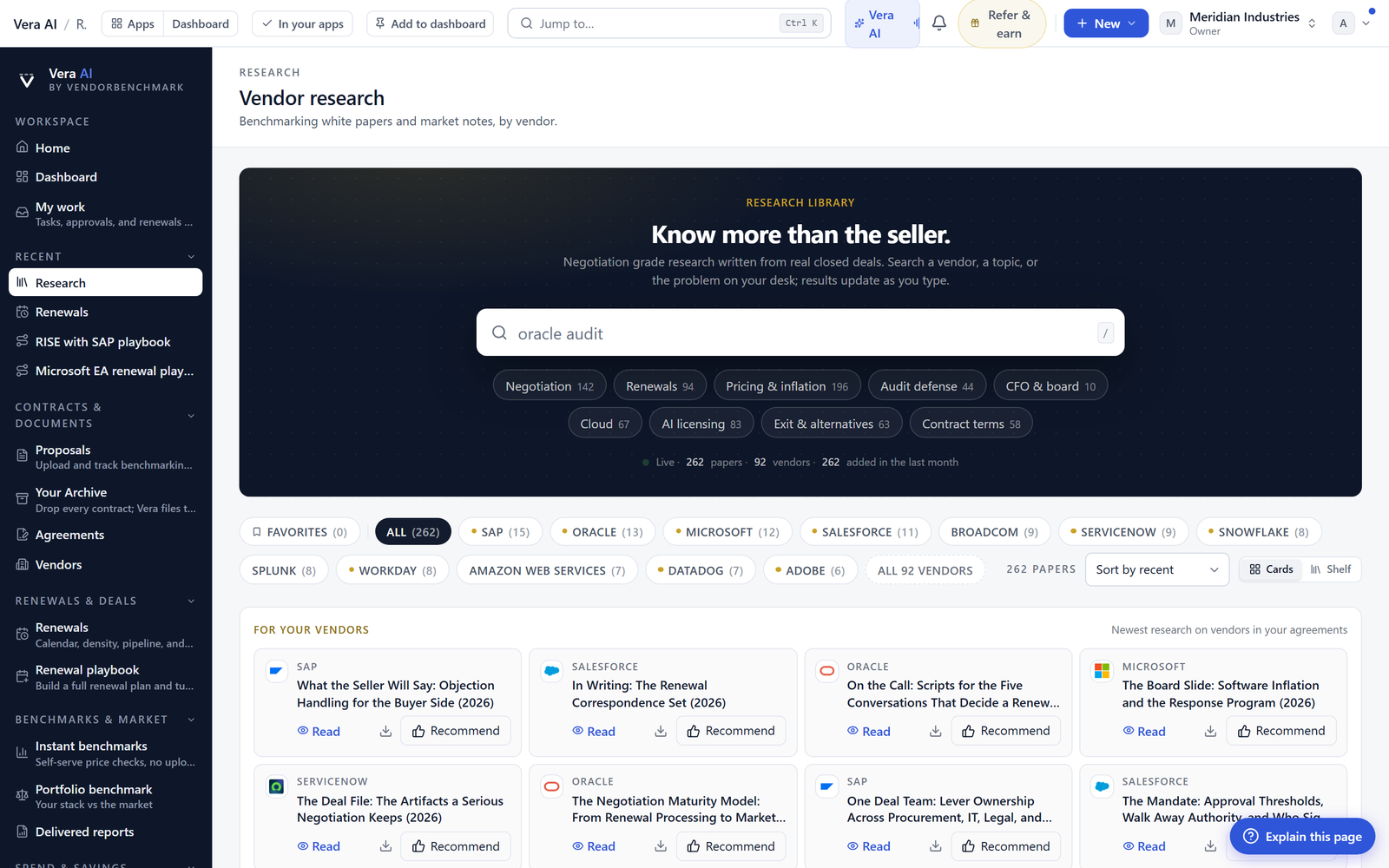
The fix: the shelf carries everything, the wall counts from the database
Two changes, one principle. First, the shelf now carries every paper your desk can reach rather than the first query page. Second, the figures are counted in the database itself, not measured off whatever happened to load. The consequence is that the wall and the shelf can never disagree again, because they no longer read from the same fragile page. They read from the source. On Information Technology and Software that is 2,268 papers across 1,474 vendors, and each desk receives the same correction.
This lands alongside work we have done to make the papers themselves easier to use. If you have read research papers now read as styled pages, not embedded files, this is the companion change: it is one thing for a paper to open cleanly, and another for the paper to be reachable at all. Both had to be true. The two minute read on every upload only matters if the upload is on a shelf you can actually search.
What it means on a vendor benchmark page
The practical payoff shows up where you work. A vendor benchmark page now finds its research for every covered vendor, not just the ones that fitted in the first page. Before this change, a benchmark could show research for the vendors that happened to land in the loaded thousand and quietly show nothing for the rest. For a covered set this size, that meant a meaningful slice of vendors looked bare when they were not. As an illustration only, a benchmark that surfaced research for only part of the covered set under the old ceiling now reaches all of it, because the shelf is no longer the bottleneck.
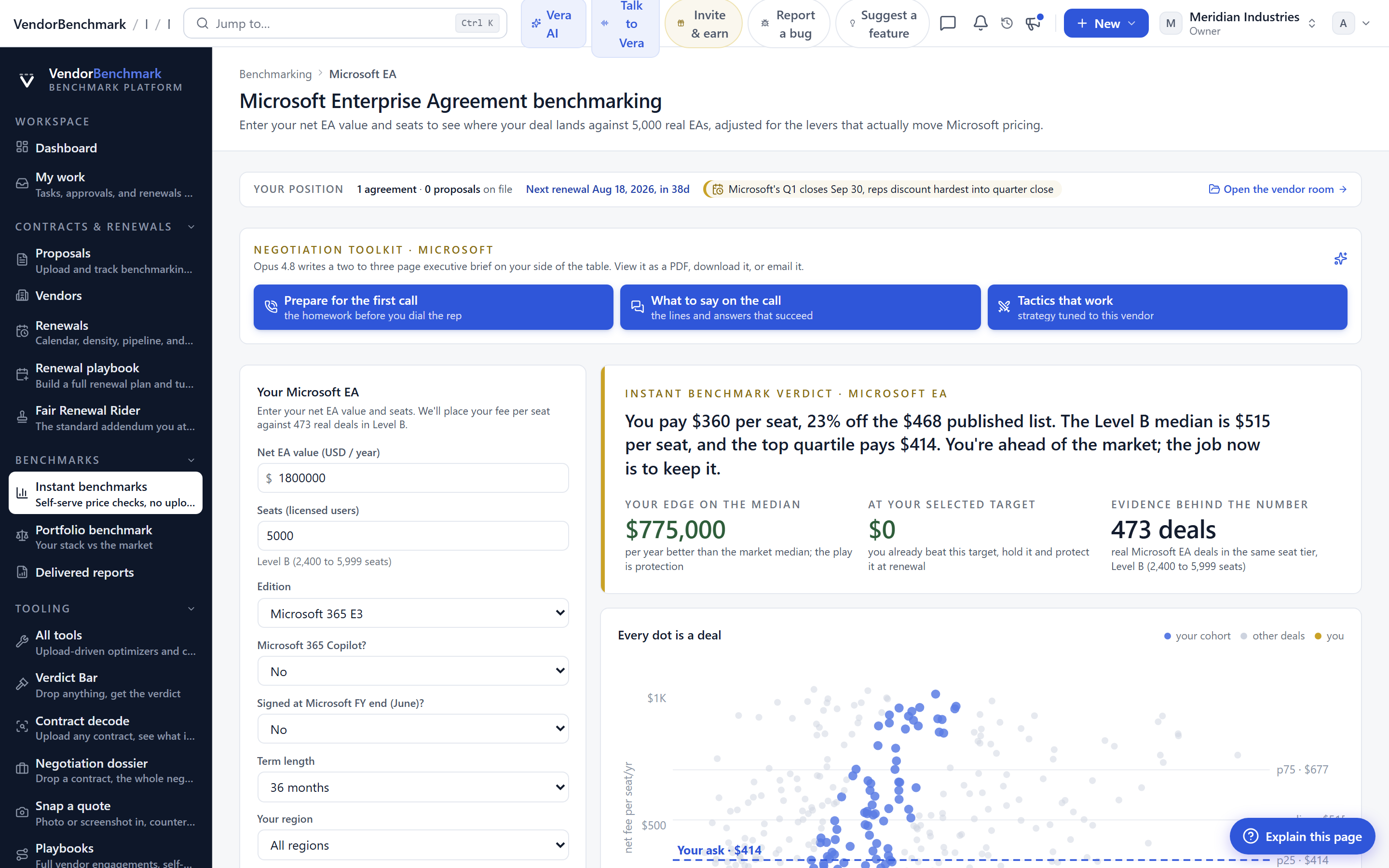
If you want to see how these benchmark pages open into a full working view, every vendor benchmark now opens as a window covers that shift. The research completeness fix makes those windows honest. There is no longer a category of vendor that reads as under researched purely because it sorted late.
How it fits the workflow
Nothing about your routine changes except that it now works. You open a vendor, the research is there. You search a topic across the library, the search reaches the whole library. Vera reads over the full set when you ask her a question, so a cited answer is drawn from complete holdings rather than a truncated page. That last point matters most for buyers who use the answer directly. If Vera cites a figure and hands you the source, you want the confidence that the source pool was the real one, not the first thousand rows that a database happened to return.
Honest limits
Three things this change does not do. First, it does not create research that does not exist. If a vendor has thin coverage in the library, it will now show accurately as thin rather than falsely as absent, and that is the point, but it is not new material. Second, completeness is not currency. A paper being reachable says nothing about how recent it is, so read the dates and weigh accordingly. Third, the fix is about reach, not judgement. It puts every paper in front of you, and it remains your call, or Vera's when you ask her, to decide which papers carry weight for the position you are building. Head to the research library to see your full holdings, and if you want the surrounding tooling, the benchmark library overview shows where this sits in the wider workflow.
Fredrik has spent more than twenty years in enterprise software, with time at Oracle, IBM, SAP, and Salesforce before moving to the buy side. He structured and priced the kind of large agreements most buyers only see once or twice in a career, which taught him where the leverage sits and how far a vendor will actually move. He started VendorBenchmark to hand that knowledge to every sourcing team.