Everything we have put on camera, in one place
One Media menu, one gallery, no email gate. Five ninety second films at the top, the recorded webinars and podcasts below. Here is how it fits a buyer's day and where it stops.
Here is a problem you will recognise. You know we have recorded useful things, a webinar on notice windows, a Shop Talk on percentiles, an Off List episode on renewals nobody read. You cannot find any of them. They were scattered down the Resources menu, three clicks apart, some behind a form. So when a colleague asked for the two minute version of how a vendor sequences its concessions, you sent a link that led to a signup page, and the moment passed. We have fixed the plumbing. There is now a Media menu, and behind it a single gallery. Nothing in it asks for an email first.
One gallery, five films at the top
The gallery opens with five new films, each about ninety seconds, each a conversation between two analysts working a real screen. The first walks through the vendor's four negotiating moves and the counter to each. The second is two truths and a lie played on an order form, which is a faster way to learn what a quote is hiding than any checklist. The third does the same four jobs twice, once the old way and once here. The fourth answers four questions a CFO asks, answered twice over so you can hear the shallow answer and the defensible one back to back. The fifth is the one people keep asking for, what a year of renewals nobody looked at actually costs. That last one pairs well with our written piece on recovering from a missed notice window, if you want the recovery playbook after you have felt the sting.
The rest of the library, no longer scattered
Below the five films sit everything else we have put on camera. The recorded webinars, the demo library, Shop Talk, and the Off List podcast. These used to live in different corners of the Resources menu, which meant that if you found one you rarely found the next. Now they are one scroll away from each other. If you watched the film on vendor moves and wanted the longer treatment, the webinar is directly below it rather than three menus away. The demo library is the same footage a vendor rep would walk you through, except you control the pace and nobody is reading your reactions across the table.
The point of putting it all in one place is not tidiness for its own sake. It is that most buyers come to video with a specific question, not a curriculum. You are about to walk into a QBR and you want to see how someone else runs one. You watch the film, then the webinar underneath it, then you open our written guide on the renewals QBR presented straight from the calendar and you are ready. The gallery is built for that path, from a two minute prompt to a deeper watch to the thing you actually do next.
Why the email gate is gone
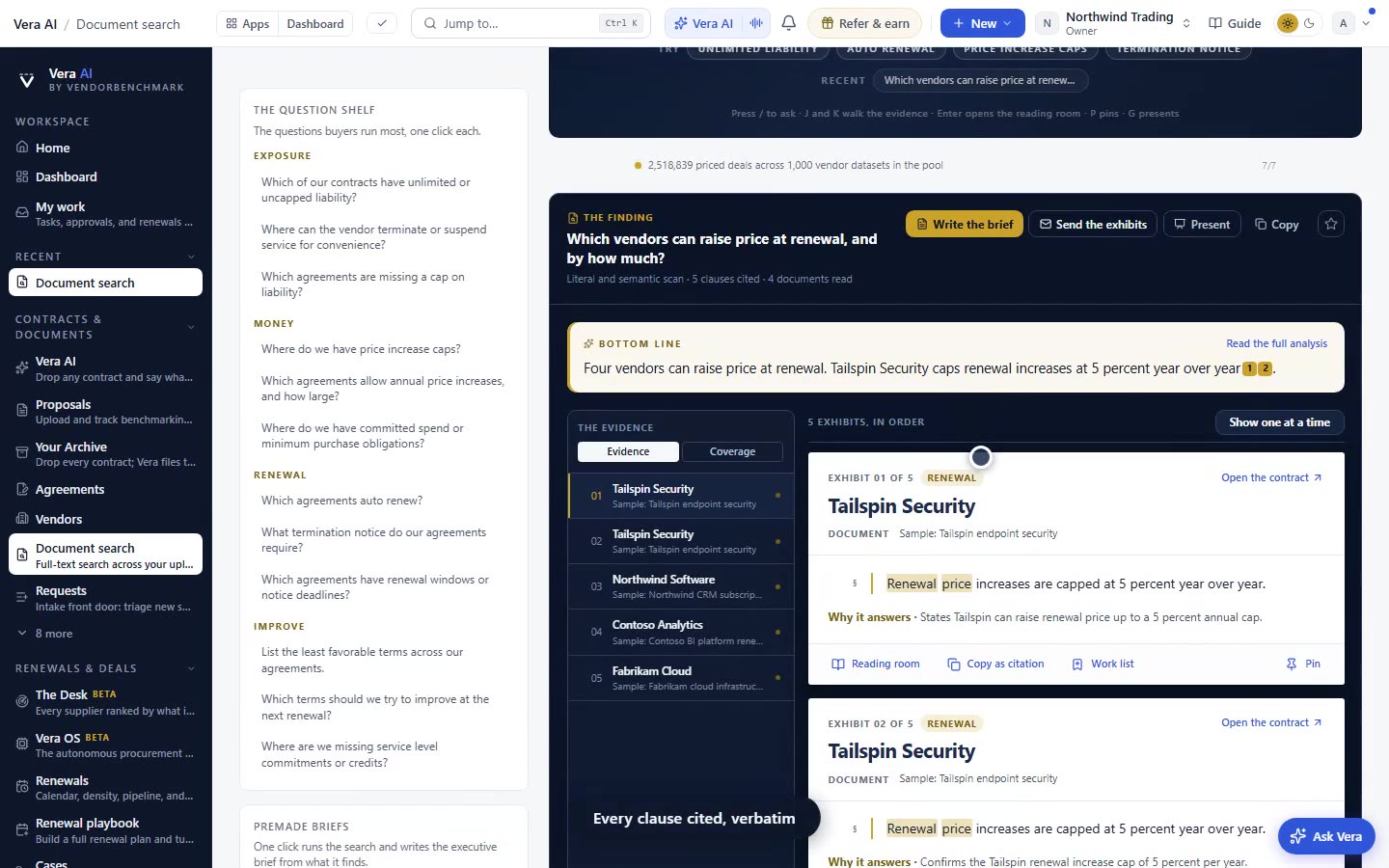
We removed the form on purpose. The old logic was that a gated video captures a lead. The real effect was that a buyer, mid negotiation, hit a wall and closed the tab. Video is most useful in the ten minutes before a call, and those are exactly the ten minutes when no one wants to fill in a form and check an inbox. So the gallery is open. You can watch, you can share the link, your CFO can open it without an account. If you want to see how the same discipline shows up inside the product rather than on film, the written walkthrough of how to decode any contract in a minute covers the mechanics the demo library shows on screen.
What changes for a buyer
Honest limits
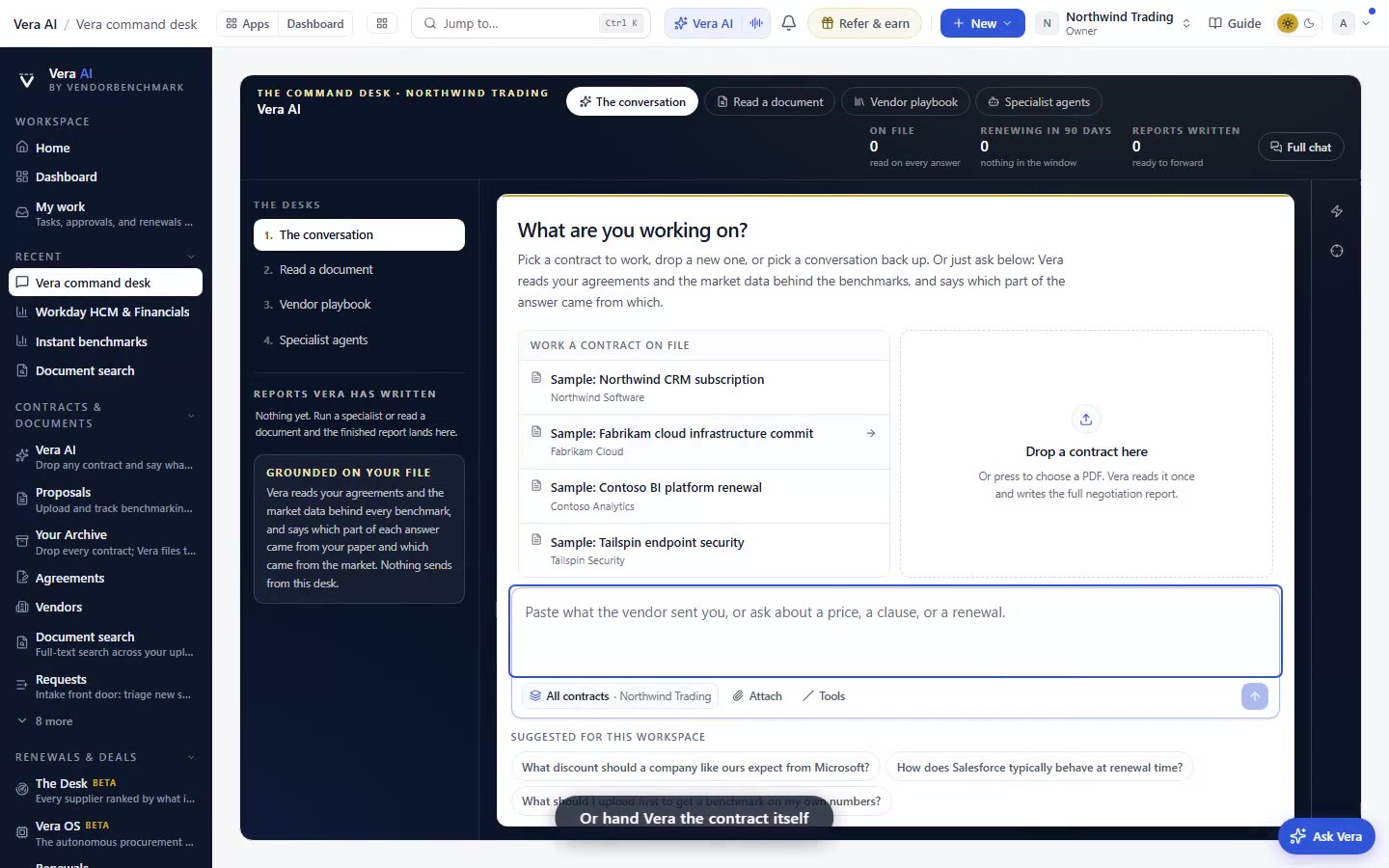
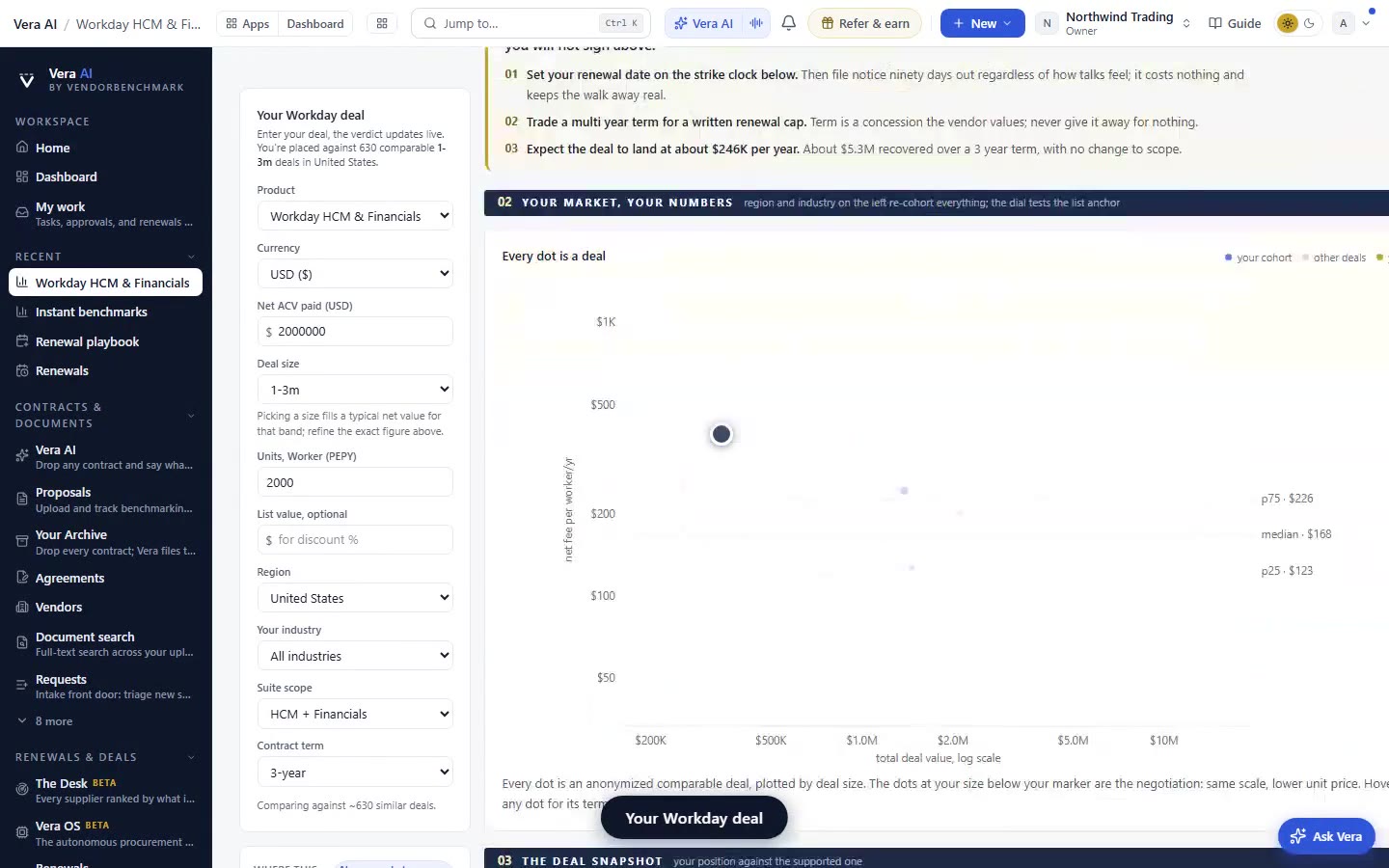
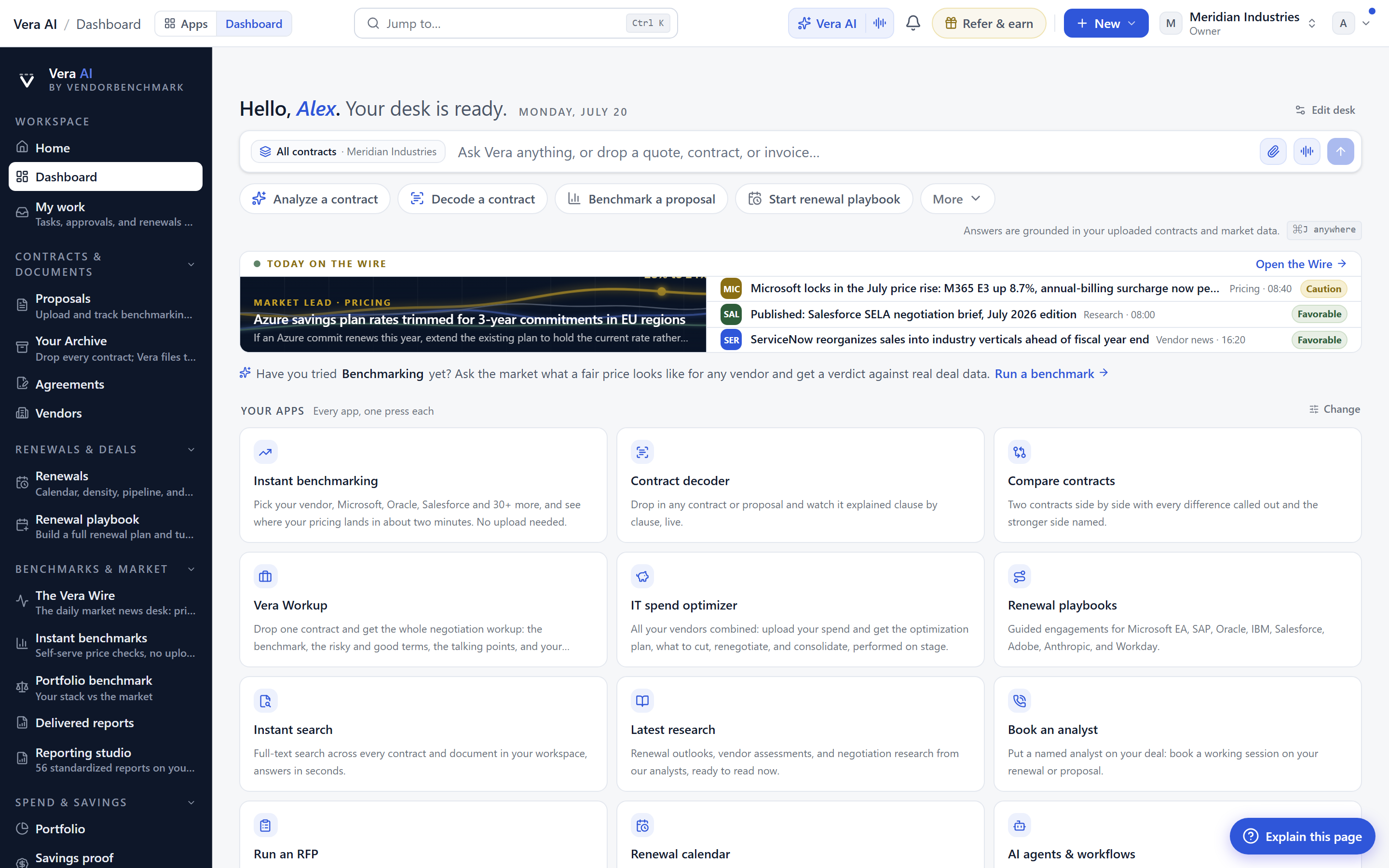
This is a shelf, not an oracle. The films explain patterns, they do not price your specific deal. When a film says a vendor sequences four concessions, that is the general shape drawn from what we see across the benchmark set, and your particular counterparty may open on move two. The gallery will not tell you where your renewal sits against market, whether your notice window has already passed, or what a defensible target discount is for your seat count. That work lives in the product, against your contracts and your calendar, and it is worth knowing that timing is leverage tied to vendor fiscal calendars in a way no ninety second film can capture for your dates. The video shows you the move. The desk runs the number.
Two more honest notes. The five films are short by design, which means they are a prompt rather than a training course, and the deeper treatment sits in the webinars below them for a reason. And a gallery is only as good as what we put in it, so the value compounds as we add footage, not on the day you first open it. Go and look at what is there now at the gallery, or straight from the Media menu. Watch the one that matches the call you have this week, then open the product and run your own figures.
Want to be updated when major licensing and pricing changes land? One analyst brief a week: the price rises, metric changes and audit campaigns that move software costs. Work email only.
Morten brings two decades of enterprise and software procurement, with stints across Oracle, IBM, SAP, and Salesforce shaping how he reads a deal. He has led sourcing through hundreds of renewals, from mid market order forms to nine figure global agreements, and learned that the buyers who win are the ones who walk in knowing the market. He built VendorBenchmark to make that pattern recognition repeatable.